As utilities expand renewable energy capacity, modernize grids, and repair aging infrastructure, utilities facility security has become a frontline concern. With millions of dollars in assets stored across open worksites, it’s no longer enough to rely on fences or locks alone. While traditional methods of security like these are still important to have, proactive construction security solutions are becoming increasingly essential for safeguarding both materials and timelines.
These critical projects often involve utilities site security challenges that differ from typical construction sites. Substations, transformer yards, and renewable energy installations house specialized equipment that’s not only expensive but vital to public infrastructure. A single theft can delay service for thousands of customers, making critical infrastructure protection a growing priority for utilities and regulators alike.
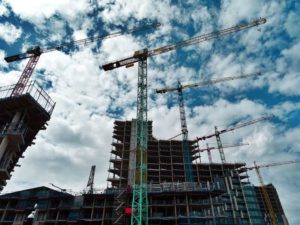
Construction sites are ripe for crime. Our State of Physical Security Entering 2023 survey found that crime on construction sites is still a major issue impacting the bottom line of businesses nationwide. 66% of those in the construction industry said they experienced at least one security incident in 2022, with 49% saying those incidents led to project delays.
Unfortunately, the same factors that make a traditional commercial or home build site attractive to thieves applies to utility projects. This means utilities need to focus on construction security just as conventional construction companies do.
Utilities = A Top Target
Regardless of industry, most utilities have ongoing construction projects. Electric, water, oil and gas, renewable energy and beyond: they all are regularly in development – and thieves take notice.
Construction sites are typically easy to access because they often lack a defined perimeter, and when fencing is installed, it’s usually temporary and easy for thieves and vandals to hop or cut through. And when work is not actively taking place, these sites often sit unwatched and unmanned.
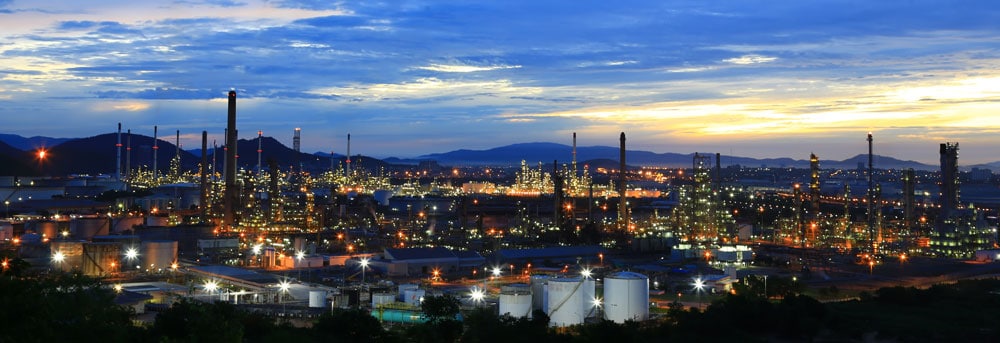
In the case of utilities, this issue can create an even larger threat based on the nature of the project. An electrical substation, for example, could take two-to-three years to build while inspections and permits are sorted out. In that time, there may be weeks or months on end where no work takes place. Thieves keeping an eye on the project take notice and know exactly when to strike.
When talking about construction sites specific to utilities, thieves are not only looking to steal heavy pieces of equipment and machinery, but also things like tools, batteries, generators, and even the fuel inside of generators. These are all easy targets that can be stolen quickly and resold without a trace.
Additionally, thieves aren’t afraid to do damage, which could set project budgets and timelines back big time. We’ve seen instances where thieves will drive onto a substation construction site, hook chains up to the mesh grounding being laid, and drive off ripping up huge copper or aluminum webs and essentially nullifying all progress made. Of course, that grounding can be rebuilt, but time lost cannot be replaced. In the end, thieves are looking to recycle and sell metal scrap for a quick profit. Meanwhile, you’re left starting over.
Beyond theft, many utilities face risks from vandalism and trespassing. Construction sites often intersect with remote access roads, making it easy for intruders to enter unnoticed. In addition, protest activity targeting energy projects has made utilities facility security even more important, requiring integrated measures like mobile cameras, alarms, and construction live video monitoring to deter intrusion and protect critical timelines.
Mobile Monitoring for Any Site
We mentioned earlier that utility construction sites can go unwatched for long stretches of time, opening up these sites to tremendous risk. Not only do you have to consider the threat of thieves, but also vandals who may be looking to do damage for a “kick,” and the safety of trespassers who may wander on to your site. Some businesses turn to guards to keep watch and patrol their construction projects, but the fact is, guards can’t be everywhere at once. These sites can be massive and no guard will be able to have every angle covered around the clock.
The Rise of Smart Video Surveillance for Construction Sites
Traditional cameras provide visibility, but video surveillance for construction sites that includes proactive monitoring goes a step further, preventing incidents before they escalate. AI-enabled systems detect unusual motion, differentiate between people, animals, and vehicles, and immediately notify trained professionals. For utility projects, this real-time visibility ensures that any intrusion or equipment tampering is addressed before costly downtime occurs.
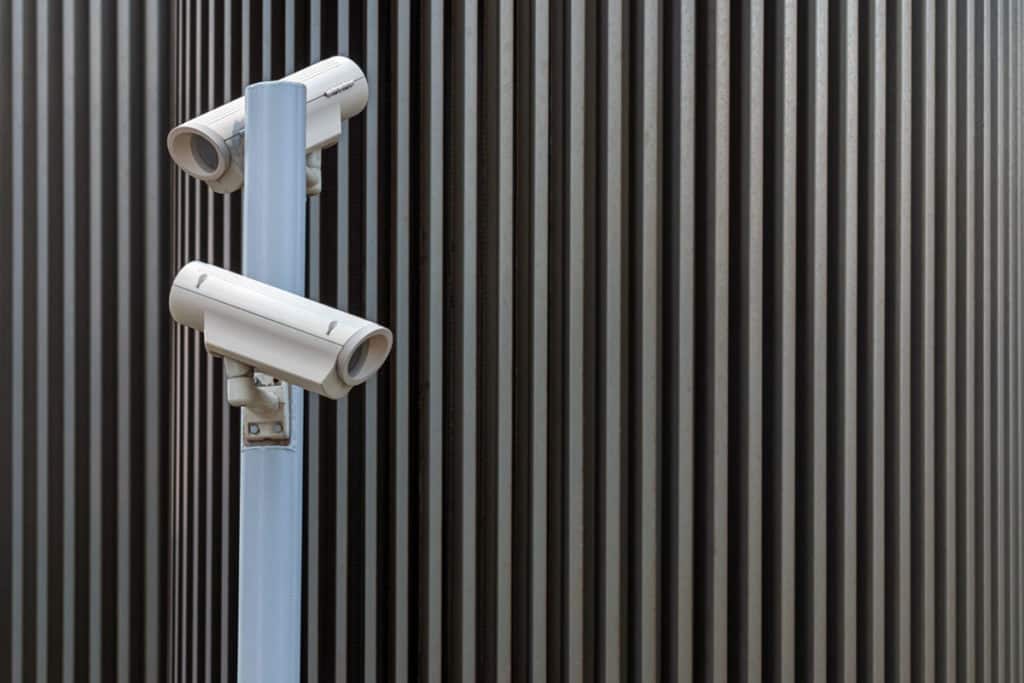
This is why Remote Video Monitoring (RVM) is such a powerful tool in the fight against crime. Pro-Vigil’s RVM solutions leverage high-definition surveillance cameras strategically placed around construction sites to make sure the most vulnerable areas are always being watched. A team of virtual guards is alerted when suspicious activity is detected, like someone walking onto the site in the middle of the night. A series of audio and visual deterrence features, like strobe lights and alarms, can then be activated to send would-be thieves running and the proper authorities can be contacted when necessary.
This approach transforms utilities site security from reactive to proactive. Instead of discovering theft after it happens, construction teams can actively stop incidents in progress. In fact, many companies are now integrating RVM into their overall construction security solutions, combining perimeter lighting, smart alarms, and cloud-based footage access to strengthen site-wide protection.
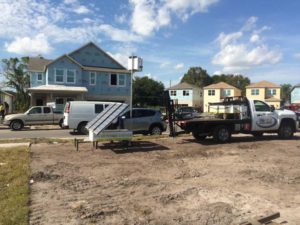
Concerned that construction sites may not have a reliable power source or internet connectivity to run surveillance cameras 24/7? That’s where Pro-Vigil’s mobile surveillance solutions come into play. Our mobile solutions are self-contained units that run off solar panels with no internet necessary. They include all of the same crime deterrence features as our fixed Pro-Vigil cameras, and can actually be moved around your site as construction progresses and security needs change. Unable to work on your site for a few weeks or months while dealing with red tape? No problem. Our mobile units can quickly be deployed to keep watch – and remain on guard once work resumes.
Building Long-Term Utility Security Strategies
As utilities continue to build, expand, and modernize, physical protection must evolve with the same urgency as digital security. Long-term utilities facility security planning now includes: