Quick Answer
License plate recognition (LPR) capabilities are worth considering if your property has frequent vehicle traffic, unauthorized access concerns, theft risks, or a need to track vehicle activity. Unlike standard security cameras, LPR systems are built to capture and recognize license plates accurately in challenging conditions, including nighttime and moving traffic. When paired with remote video monitoring, LPR can go beyond recording incidents by helping security teams identify and respond to suspicious vehicles in real time.
Key Takeaways
- LPR cameras are designed for license plate capture: They are optimized to capture and recognize plates in challenging conditions, including low light and moving traffic.
- LPR adds value in high-traffic areas: Parking lots, gated communities, construction sites, warehouses, and other properties with frequent vehicle activity can benefit from LPR.
- Remote monitoring can add human review: When paired with trained security professionals, LPR can help identify potentially suspicious vehicle activity and support appropriate response.
When someone trespasses on your property or damages a vehicle in your lot, a blurry image isn’t much help. A detailed shot of the perpetrator’s license plate, however, can lead to an ID, an insurance claim, or even a conviction. That’s when license plate recognition (LPR) cameras are invaluable.
More than just security cameras, LPR systems (sometimes called ALPR systems) are designed to detect, capture, and log license plates automatically. Whether it’s day or night, moving vehicles or still, a well-positioned LPR camera system can record and organize plate data for later review — even from fast-moving cars.
But do you need one?
Well, that depends on your environment. License plate recognition is often just as much overkill for quiet office parks as it is essential for busy lots, gated communities, or commercial sites with valuable equipment. If you’re dealing with frequent trespassing, hit-and-runs, or repeat offenders, these cameras can be your first line of accountability.
In this blog, we’ll break down how license plate recognition cameras work, where they add the most value, and how they integrate with existing surveillance systems — especially when monitored by trained professionals like Pro-Vigil’s virtual guards.
What Are License Plate Recognition (LPR) Cameras?
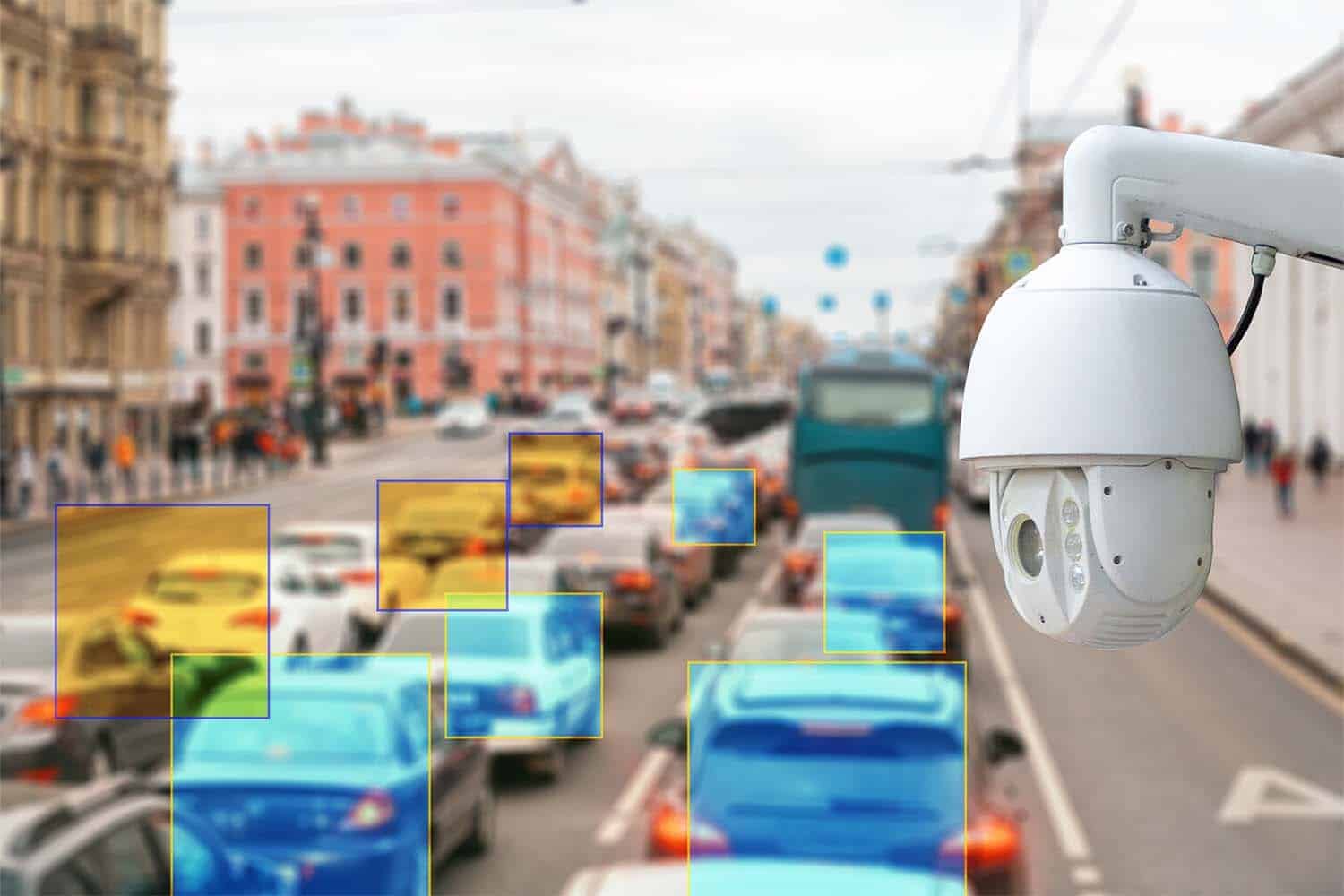
License plate recognition cameras, or LPR cameras, are specialized devices equipped with high-resolution lenses, infrared capabilities, and intelligent software that can scan and interpret vehicle license plates in real time.
Unlike standard security cameras, LPR systems are optimized to handle glare, motion blur, and poor lighting — all common issues when trying to capture plates on moving vehicles, especially at night.
These cameras don’t just record footage. They can associate detected plates with information such as the date, time, camera location, and event details. Some systems can compare detected plates against predefined watchlists or other databases and generate alerts when there is a match.
LPR Cameras vs. Standard Security Cameras: What’s the Difference?
Standard security cameras monitor a wider area, while LPR cameras are specifically designed to capture and identify license plates. They use specialized lenses, image processing, and infrared illumination to produce clearer plate images despite challenges such as motion, glare, and low light.
The main differences include:
- Purpose: Standard cameras monitor general activity, while LPR cameras focus on identifying vehicles and license plates.
- Image capture: LPR cameras are optimized for plate-level detail, even when vehicles are moving.
- Lighting: Many LPR systems use infrared illumination to improve plate visibility at night.
- Data: LPR systems can extract and store plate numbers along with information such as the date and time of detection.
- Searchability: Instead of reviewing hours of footage, users can often search recorded data by plate number, date, or event.
For properties where vehicle identification matters, these capabilities can make license plate recognition more useful than relying on standard surveillance cameras alone.
LPR vs. Regular Security Cameras
|
Feature |
LPR Cameras |
Regular Security Cameras |
|
Primary purpose |
Designed to capture and recognize license plates |
Designed to monitor and record activity across an area |
|
Focus |
Vehicle and plate identification |
General surveillance and situational awareness |
|
Image capture |
Optimized for plate-level detail, including moving vehicles |
Optimized for broader views of people, vehicles, and surroundings |
|
Nighttime performance |
Often uses infrared illumination to improve plate capture in low-light conditions |
Night vision varies by camera and may not provide clear plate details |
|
Motion handling |
Designed to capture readable plates from moving vehicles |
May produce motion blur when capturing fast-moving vehicles |
|
Data captured |
Can associate detected plate numbers with date, time, camera location, and event information |
Primarily records video footage |
|
Search capabilities |
Can allow searches by plate number, date, or event |
Typically requires reviewing recorded footage to find specific activity |
|
Best suited for |
Parking lots, gated entrances, warehouses, dealerships, and other vehicle-focused areas |
General property monitoring, perimeter surveillance, and activity detection |
|
Integration |
Can integrate with access control, analytics, and remote monitoring systems |
Can integrate with video management and monitoring systems |
What Factors Affect LPR Camera Accuracy and Performance?
Several factors can affect how accurately an LPR security camera captures and recognizes license plates. A suitable license plate security camera is essential, but its performance also depends on proper installation and the conditions at the site.
Key factors include:
- Vehicle speed: Faster-moving vehicles require cameras with appropriate shutter speeds to minimize motion blur.
- Camera angle: The camera should be positioned to capture plates clearly without excessive distortion.
- Distance: The camera and lens need to match the distance between the camera and the vehicles being monitored.
- Lighting: Glare, headlights, shadows, and poor nighttime lighting can affect plate visibility.
- Weather: Rain, fog, snow, and other environmental conditions may reduce image clarity.
- Plate variations: Different plate sizes, colors, fonts, and reflective surfaces can affect recognition accuracy.
- Installation: Incorrect positioning or poor calibration can limit the camera’s ability to capture usable plate data.
- Lens selection: The lens should match the required capture distance, field of view, and lane coverage. A wider lens may capture less detail on license plates, while a narrower lens may cover a smaller area.
A properly selected and installed LPR system can provide more reliable results than simply adding an LPR-enabled camera without considering the conditions at the site.
When Do You Need an LPR Camera System?
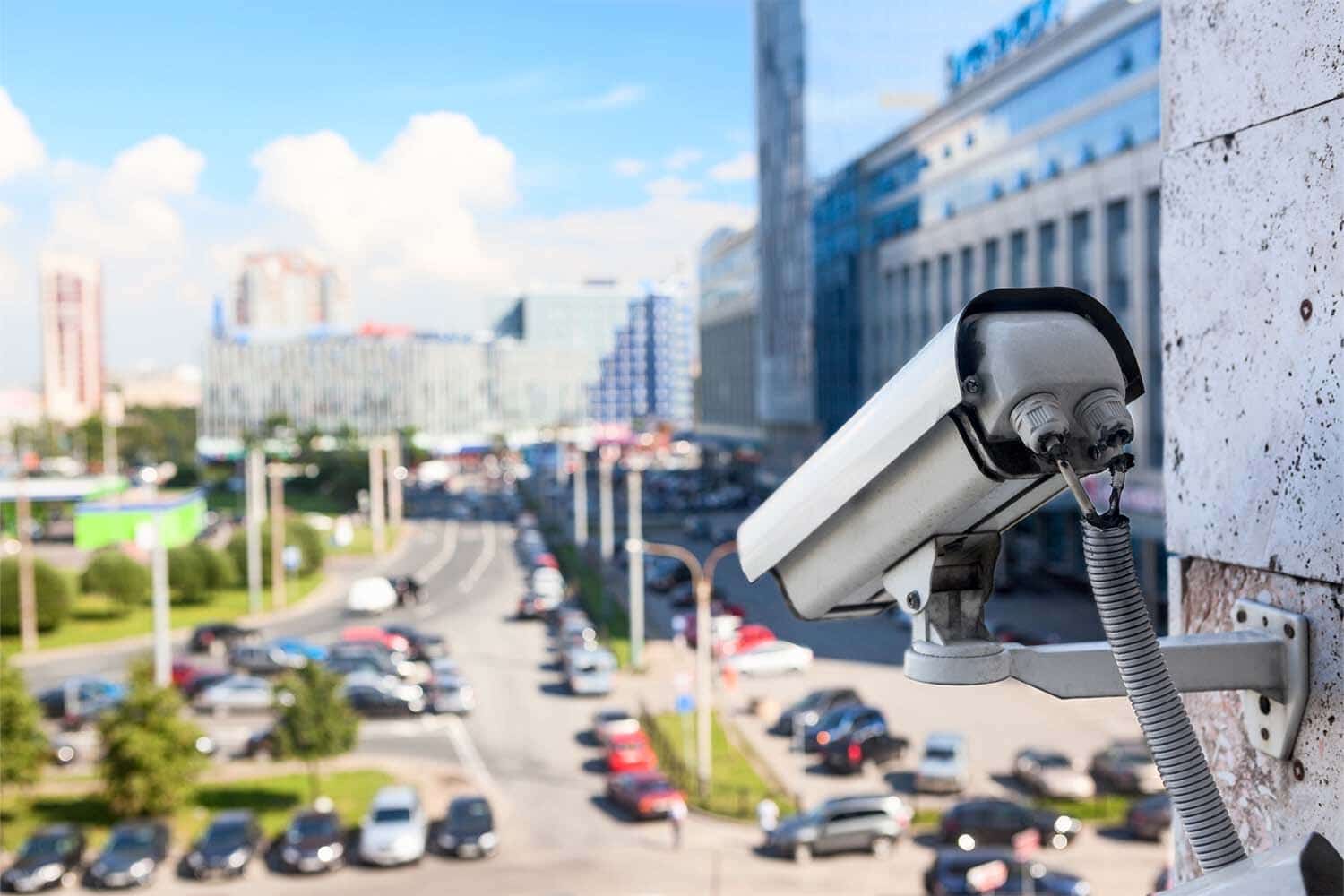
If you manage a property where vehicles come and go, an LPR camera system is a proactive way to identify and deter potential troublemakers.
Here are a few common scenarios where license plate recognition adds serious value:
- Parking lots and garages: In the event of a hit-and-run or theft, LPR footage can provide the vehicle’s license plate as it enters or exits the parking area.
- Construction sites: When expensive equipment is stored on-site, license plate recognition can keep a record of vehicles entering the property and help identify unfamiliar vehicles that appear after hours.
- Gated communities: License plate recognition can record vehicles entering and leaving a community, making it easier to identify unfamiliar vehicles and investigate security incidents.
- Logistics hubs and warehouses: Businesses can use LPR to track vehicle arrivals and departures, helping verify when delivery trucks, vendors, or fleet vehicles access the property.
- Car dealerships: License plate recognition can capture vehicle activity in the lot, providing information to review if a vehicle is reported missing or an overnight security incident occurs.
- HOAs and apartment complexes: If unauthorized vehicles regularly use resident parking spaces, LPR records can help property managers identify repeat vehicles and investigate parking violations.
- Storage facilities: LPR can create a record of vehicles accessing the property, which can be useful when investigating unauthorized entry, theft, or other incidents.
- Event venues: During busy events, license plate recognition can help track vehicle traffic and provide a record of vehicles entering or leaving the property, particularly when parking areas experience heavy activity.
In each case, license plate recognition can provide a searchable record of vehicle activity and support investigations when an incident occurs. It also gives law enforcement or property managers real data to work with, rather than just vague footage. And when those cameras are integrated into a live-monitored system, like Pro-Vigil offers, that value compounds. Not only do you get automated license plate logging — you get a human response when something looks off.
How LPR Cameras Work with Remote Video Monitoring

LPR security cameras can automatically capture and organize license plate information, but the resulting alerts and events may still require human review. When license plate recognition is integrated with remote video monitoring, a security professional can review relevant activity and determine whether it requires further attention.
The process from vehicle detection to security response typically looks like this:
1. Vehicle enters
↓
2. LPR camera captures plate
↓
3. Plate is recognized
↓
4. Event/data is stored
↓
5. Analytics identify relevant activity
↓
6. Remote security professional reviews the event
↓
7. Appropriate response is initiated
When license plate recognition detects a vehicle or plate that meets a predefined alert condition, the event can be reviewed by a remote security professional. Depending on the monitoring setup and established response procedures, the security professional can assess the surrounding video, determine whether the activity requires attention, and follow the appropriate response protocol.
This approach adds human review to an otherwise automated process. Instead of relying entirely on an alert or reviewing recorded footage later, a monitored system can provide an opportunity to assess the circumstances surrounding a flagged vehicle or event while the activity is taking place.
For example, a property may configure alerts for vehicles associated with specific watchlists, after-hours activity, or other predefined conditions. An alert by itself does not necessarily indicate a security incident. Reviewing the surrounding video can provide additional context and help determine whether the event requires action.
LPR data can also be useful after an incident. Systems that maintain searchable records can help property managers and security teams locate vehicle activity by plate number, date, time, camera, or event. This can reduce the amount of footage that needs to be reviewed when investigating a specific occurrence.
Remote monitoring can therefore serve as one part of a broader LPR security setup. The LPR system handles vehicle and plate detection, analytics can identify events that meet defined criteria, and trained security professionals can provide human review based on established procedures.
Pro-Vigil is one example of a provider that combines LPR capabilities with remote video monitoring. The specific monitoring workflow, alert criteria, and response procedures depend on the system configuration and the security requirements of the property.
How to Choose the Right LPR Camera System
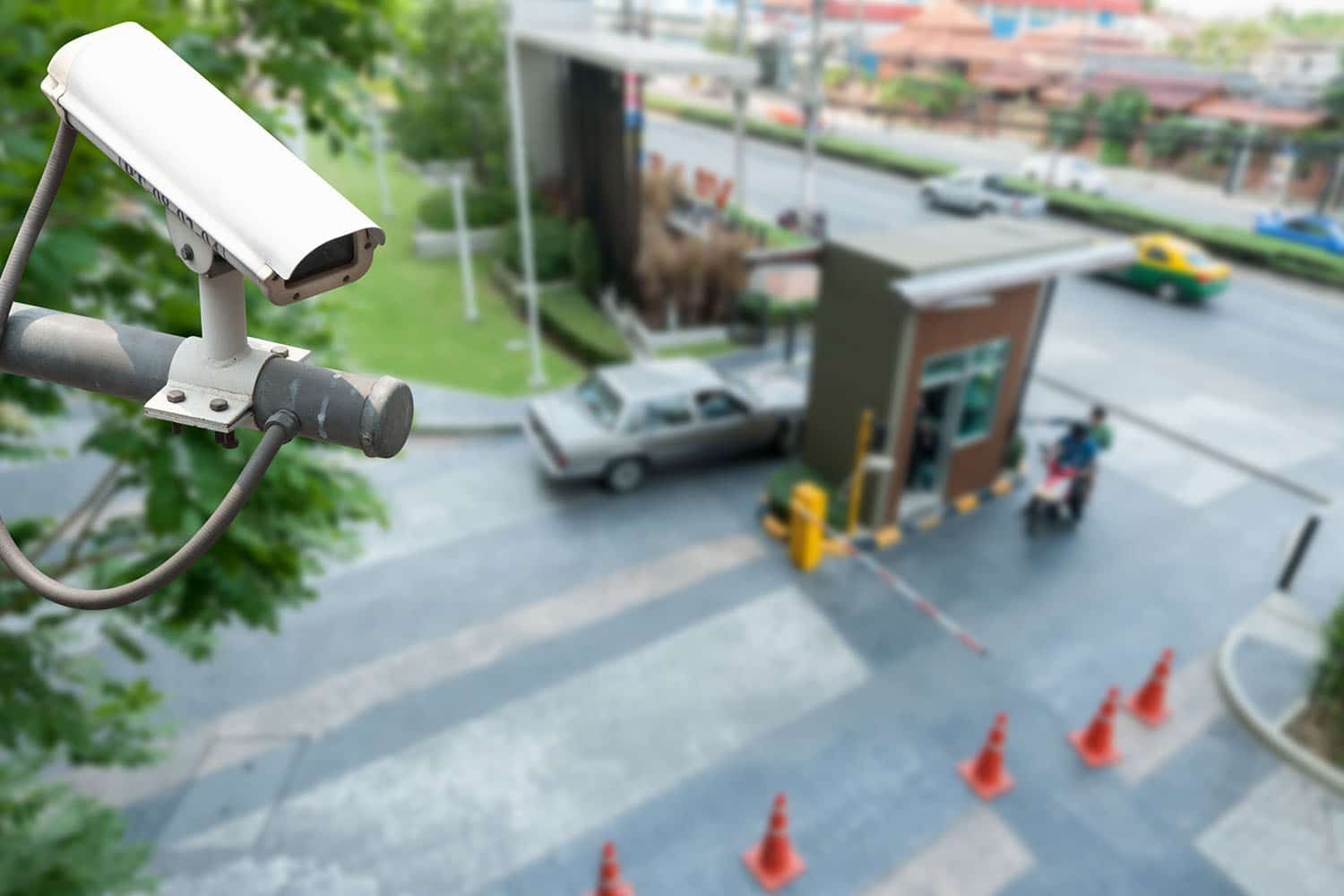
License plate recognition cameras are designed for different traffic conditions and surveillance needs. The right system depends on factors such as vehicle speed, lane coverage, capture distance, lighting, weather, and how the captured data will be used.
When selecting a license plate camera recognition system, keep the following factors in mind:
- Camera type: Choose a camera designed for the specific application, whether you need to monitor a single entrance, multiple lanes, a parking area, or a roadway.
- Vehicle speed: Higher-speed traffic generally requires faster shutter speeds and cameras designed to reduce motion blur. Systems monitoring slow-moving vehicles may have different requirements.
- Number of lanes: A single-lane entrance may require a different setup than a driveway or roadway with multiple lanes. Each monitored lane should provide a clear capture area for reliable plate recognition.
- Capture distance: The camera and lens should match the distance between the camera and the vehicles. A short-range setup may not capture plates clearly from a distant entrance.
- Plate orientation: The camera should be positioned so plates are captured at an appropriate horizontal and vertical angle. Excessive angles can make plates harder to read.
- Mounting height and position: Proper mounting helps the camera capture plates clearly. An improper mounting height or viewing angle can make plates harder to capture and recognize accurately.
- Lighting and night operation: Headlights, direct sunlight, shadows, and glare can affect plate visibility. For nighttime monitoring, consider cameras with appropriate infrared capabilities and low-light performance.
- Weather conditions: Rain, fog, snow, dust, and other environmental conditions can affect plate capture. Outdoor systems should be suited to the conditions expected at the property.
- Lens selection: The lens should provide the required field of view and capture distance. A wider lens can cover more area but may provide less plate detail, while a narrower lens can provide greater detail across a smaller area.
- Storage and retention: Consider how much plate and video data the system will generate and how long the information needs to be retained. Searchable storage can make it easier to locate specific vehicles or events.
- Integration: Determine whether the LPR system needs to work with existing security cameras, video management software, analytics, access control, or other security technologies.
- Monitoring: Consider whether LPR alerts will be reviewed by on-site personnel, a remote security team, or both. Remote monitoring can provide human review when the system identifies activity that may require attention.
- Access control: LPR can be integrated with gates, barriers, or other access control systems to help manage authorized vehicles and monitor entry and exit activity.
At entry points, LPR systems may prioritize accurate plate capture, consistent vehicle positioning, appropriate lighting, and integration with access control. For larger parking areas or sites with faster-moving traffic, longer-range lenses, faster shutter speeds, weather protection, and suitable lane coverage may become more important.