
Key Takeaways
- Strategic camera placement matters: Positioning cameras at entrances, exits, checkout counters, aisles, high-theft areas, storage rooms, loading docks, and parking lots helps maximize visibility and reduce blind spots.
- Retail CCTV improves safety and security: A well-designed surveillance system deters theft, enhances employee and customer safety, provides valuable evidence, and increases accountability throughout the store.
- Modern surveillance offers real-time protection: AI-powered analytics, remote monitoring, and integration with alarms and access control systems enable faster detection of suspicious activity and more effective responses.
- Professional planning maximizes coverage: Evaluating your store layout, lighting conditions, and high-risk areas helps create a surveillance strategy that delivers better protection against retail crime.
Retail crime is up. Retail security cameras increasingly play an essential role in capturing surveillance footage to document these crimes. Some stores are adding remote security monitoring to create a real-time response to crime.
No matter your approach, the strategic placement of each retail surveillance camera is crucial to deterring potential criminal activities. This article will delve into key considerations and recommendations for effectively placing retail CCTV security systems in an increasingly crime-laden world.
The State of Retail Crime
As if retail theft wasn’t bad enough, the newest trend is organized crime rings that take in billions from smash and grabs as well as more “traditional” shoplifting and burglary techniques. Some retailers are pulling out of specific markets because theft incidents have increased substantially. But is that the right approach? Vox reports, “Retailers would rather complain about shoplifting than invest in fighting.” They report losses from theft increased from $93.9 billion to $112.1 billion from 2021 to 2022.
Like many other companies, retailers need help finding enough staff, so keeping an eye on a sprawling storefront is challenging. However, retail security cameras offer these companies a way to monitor every corner and blind spot with real-time virtual security guards that can quickly respond to crime. New artificial intelligence (AI) camera features provide retailers new tools to keep their storefronts safer. But critical to these tactics is the need to professionally place each retail surveillance camera to maximize effectiveness.
Best Places to Install Retail Security Cameras
|
Area |
Why Install Cameras Here |
|
Entrances & Exits |
Capture clear footage of everyone entering and leaving the store. |
|
Checkout / POS |
Reduce employee theft, fraud, and transaction disputes while improving accountability. |
|
Sales Floor |
Monitor shopper activity, deter shoplifting, and eliminate blind spots. |
|
High-Value Displays |
Protect expensive merchandise and discourage theft in high-risk areas. |
|
Stockrooms |
Prevent internal theft and monitor inventory handling. |
|
Loading Docks |
Track deliveries, shipments, and inventory movement while preventing unauthorized access. |
|
Parking Lots |
Improve customer and employee safety while deterring vehicle theft and vandalism. |
|
Emergency Exits |
Detect unauthorized exits and help prevent theft through emergency doors. |
Why Strategic Security Camera Placement Matters
The effectiveness of a retail security camera system depends on where each camera is installed. A well-planned video surveillance retail strategy helps improve store security, deter theft, and provide valuable evidence when incidents occur.
Strategic camera placement helps eliminate blind spots, improves visibility of high-risk areas, and ensures critical events are captured with clear, usable footage.
A thoughtfully designed retail CCTV security system not only deters shoplifting and employee theft but also supports faster investigations and enhances the safety of customers, employees, and inventory.
By evaluating your store’s layout, traffic patterns, and vulnerable areas, you can maximize the effectiveness of every retail store security camera.
Where Should You Put Retail Security Cameras?
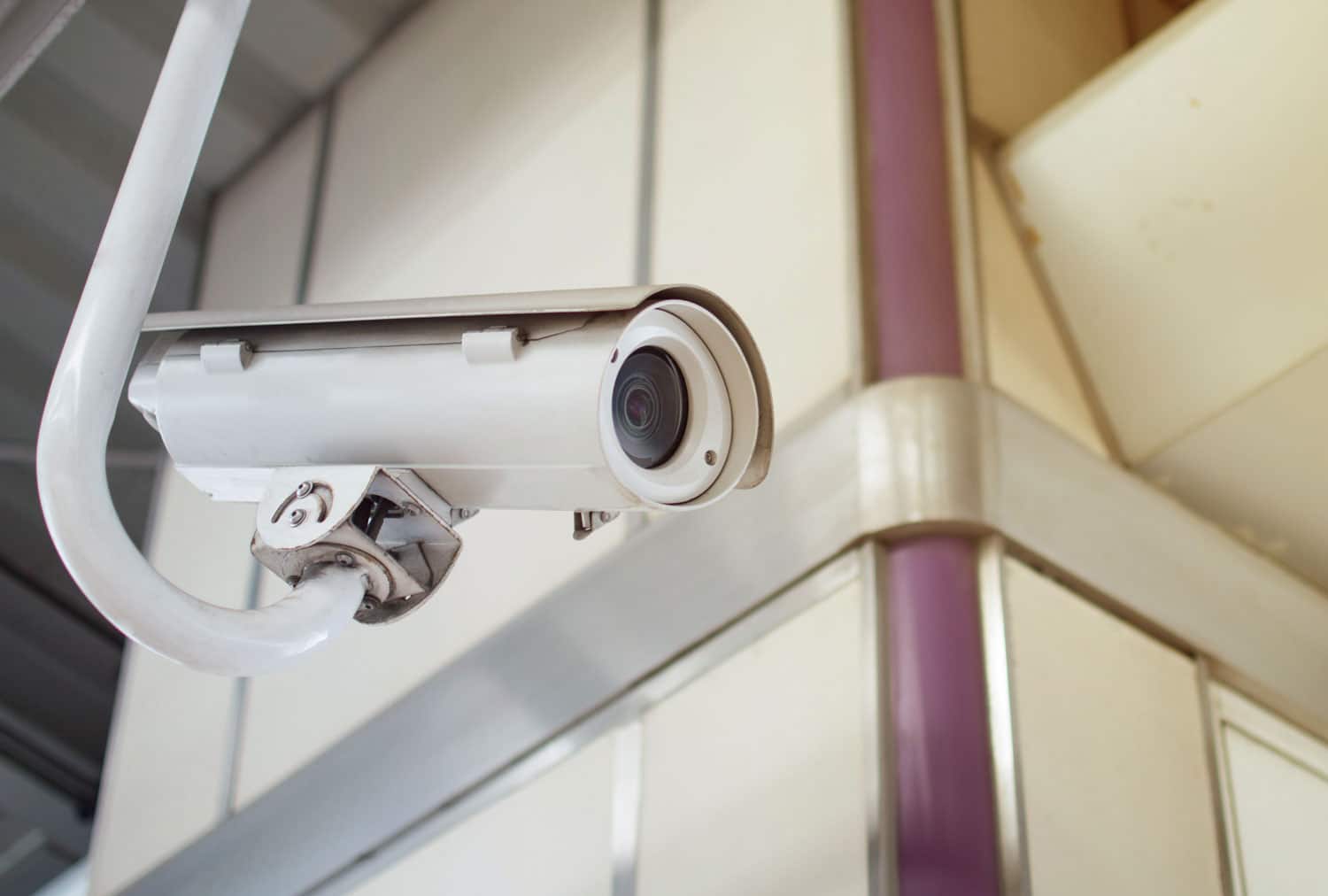
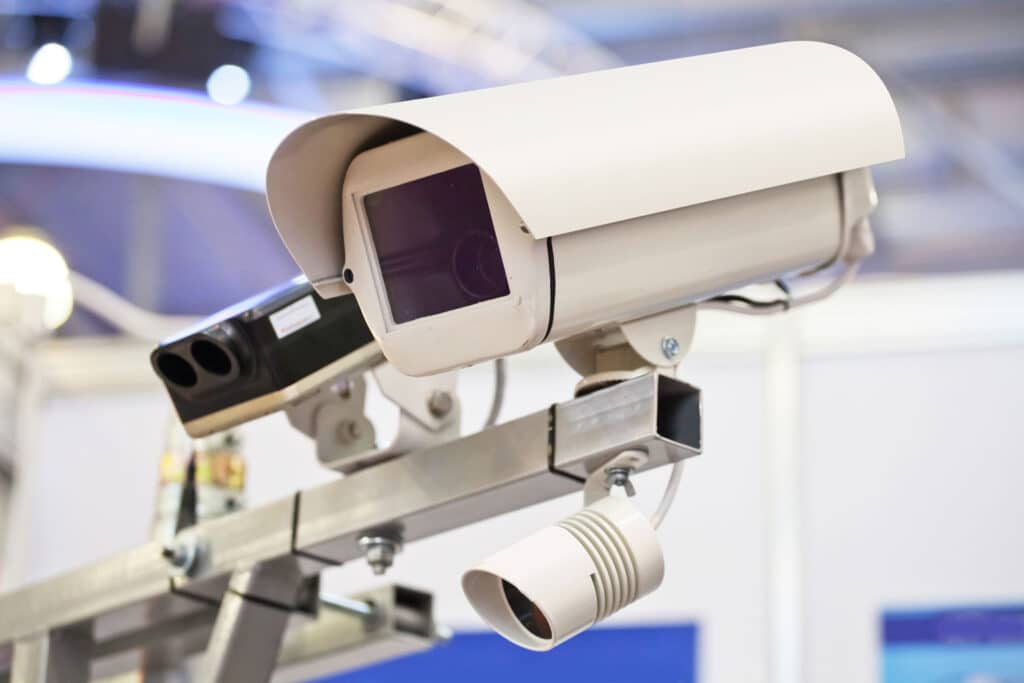
Strategically positioning retail security cameras is critical for theft deterrence and customer and staff safety. Some of the best locations for retail surveillance cameras include:
- Entrances and Exits
One of the primary areas to focus on is entrances and exits. Placing cameras at these points helps capture the faces of individuals entering and leaving the premises. This data provides critical information in the event of an incident. A visual camera presence also acts as a deterrent for potential shoplifters and serves as a valuable tool for identifying suspicious behavior. - Point-of-Sale (POS) Areas
The POS area is a hotspot for transactions and customer interactions. Installing a retail surveillance camera at each cash register helps monitor transactions and ensures employee accountability. Strategic placement can deter internal and external theft, contributing to the overall security of the retail space. - Aisle Coverage
Adequate coverage of the store’s aisles is essential for a comprehensive security system. Placing cameras strategically along the aisles helps monitor customer behavior, prevent shoplifting, and investigate incidents of misplaced merchandise. Consideration should be given to the height and angle of the cameras to minimize blind spots and maximize coverage. - High-Theft Areas
Retailers often have specific areas where high-value or frequently targeted items are displayed. Placing security cameras in these high-theft areas can act as a deterrent and provide valuable footage in case of theft. Examples include electronics sections, jewelry displays, or high-end fashion sections. - Storage and Loading Docks
Back-of-house areas, including storage rooms and loading docks, are vulnerable points that require surveillance. Security cameras in these areas help prevent employee theft, monitor inventory management, and deter unauthorized access. It also serves as a crucial tool in investigating incidents involving shipments and deliveries. - Parking Lots
The security of a retail establishment extends beyond its walls to the surrounding parking lot. Installing cameras in the parking area enhances safety and deters vandalism, car theft, and other criminal activities. Wide-angle cameras with night vision capabilities for outdoor spaces can cover more ground. - Ceiling-Mounted vs. Wall-Mounted
The choice between ceiling- and wall-mounted cameras depends on the specific layout and requirements of the retail space. Ceiling-mounted cameras offer a broader field of view and are less susceptible to tampering. In contrast, wall-mounted cameras may be more discreet and accessible to install in specific locations. - Lighting Considerations
Proper lighting impacts your security camera’s effectiveness. Ensure surveillance areas have adequate lighting to capture clear and detailed footage. Consider investing in cameras equipped with infrared or night vision to optimize their effectiveness in low-light or nighttime conditions. - Remote Monitoring
Modern retail security systems often include features for remote monitoring and integration with other security measures. A comprehensive video surveillance for retail solution provides continuous visibility into store activity, helping retailers respond more quickly to security incidents. Consider cameras that can be accessed and monitored remotely, providing real-time alerts and facilitating a quick response to potential threats. Integration with other security systems, such as alarms and access control, enhances overall effectiveness.
Common Retail Security Camera Placement Mistakes
Even high-quality retail security cameras can be ineffective if they are installed incorrectly. Avoid these common mistakes to ensure your surveillance system delivers reliable coverage and maximum protection.
- Leaving blind spots: Failing to cover entrances, aisles, stockrooms, or other high-risk areas creates opportunities for theft.
- Installing cameras too high or too low: Poor mounting height can reduce image quality and make it difficult to identify faces or important details.
- Ignoring lighting conditions: Insufficient lighting or excessive glare can result in poor-quality footage, especially at night.
- Using the wrong camera type: Choosing cameras that don’t match the environment can limit coverage and effectiveness.
- Failing to monitor parking lots and exterior areas: Outdoor spaces are common targets for theft, vandalism, and other criminal activity.
- Not reviewing camera placement regularly: Changes to store layouts, merchandise displays, or traffic patterns can create new blind spots over time.
Retail Security Camera Installation Best Practices
Proper installation ensures your retail security cameras deliver reliable coverage, high-quality footage, and long-term performance. Follow these best practices when planning your surveillance system:
- Conduct a site assessment to identify high-risk areas, blind spots, and customer traffic patterns before installation.
- Position cameras for maximum coverage while minimizing blind spots and avoiding obstructions.
- Install retail store surveillance cameras at the correct height and angle to capture clear facial images and important details.
- Ensure adequate lighting or use cameras with infrared/night vision for low-light environments.
- Secure cameras against tampering by mounting them in protected locations and using vandal-resistant housings where needed.
- Test camera views regularly to verify coverage, image quality, and recording performance.
- Integrate cameras with other retail camera security systems such as alarms, access control, and remote monitoring for enhanced protection.
- Review and update your camera layout periodically to accommodate store renovations, merchandising changes, and evolving security risks.
Retail Security Camera Laws and Privacy Considerations
While retail security cameras improve store security, it’s important to use them in compliance with applicable privacy laws and legal requirements. Being transparent about retail video surveillance while respecting customer and employee privacy is an essential part of an effective security strategy.
- Post clear signage: Inform customers and employees that retail store video surveillance is in use.
- Protect personal privacy: Limit surveillance to public and operational areas, avoiding locations where privacy is expected.
- Meet regulatory requirements: Operate your retail security cameras in accordance with applicable surveillance and data privacy laws.
- Follow facial recognition regulations: Use facial recognition only where legally permitted and in accordance with applicable privacy laws.
- Protect recorded footage: Restrict access to surveillance recordings and implement appropriate cybersecurity measures to prevent unauthorized access.
- Establish a retention policy: Store recorded footage only for as long as necessary and in accordance with legal or business requirements.
Best Types of Security Cameras for Retail Stores
Choosing the right type of security camera is just as important as selecting the right installation location. Different camera styles are designed for different surveillance needs, from monitoring checkout counters to securing parking lots and high-risk areas.
|
Camera Type |
Best Location |
|
Dome Camera |
Sales floor |
|
Bullet Camera |
Parking lots and building exteriors |
|
PTZ (Pan-Tilt-Zoom) Camera |
Large retail stores and warehouses |
|
Fisheye Camera |
Open floor areas with wide coverage |
|
AI Camera |
Entrances, exits, and high-risk zones |
|
LPR (License Plate Recognition) Camera |
Parking lot entrances and exits |
How AI Improves Retail Security Cameras
Modern AI-powered retail security cameras do much more than record video. They continuously analyze activity in real time, helping retailers detect threats faster, reduce false alarms, and improve overall store security. Key AI capabilities include:
- Object Detection: Identifies vehicles, packages, and other objects that require attention.
- Person Detection: Distinguishes people from other moving objects to reduce false alerts.
- Loitering Detection: Flags individuals lingering in restricted or high-risk areas.
- Queue Monitoring: Tracks checkout line lengths to improve customer service and staffing.
- People Counting: Measures customer traffic for security planning and business insights.
- Heat Maps: Visualizes customer movement patterns to identify high-traffic areas and optimize store layouts.
- Facial Recognition: Helps identify known offenders or persons of interest while complying with local privacy regulations.
- Real-Time Alerts: Instantly notifies security personnel of suspicious activity or security events.
- Suspicious Behavior Detection: Uses AI analytics to identify unusual actions that may indicate shoplifting, fraud, or other security risks.
Common Security Risks Retail Cameras Help Prevent
Retail security cameras help protect stores by deterring crime, monitoring suspicious activity, and providing valuable evidence when incidents occur. Common risks that surveillance systems help prevent include:
- Shoplifting: Discourages theft by customers and provides evidence for investigations.
- Organized Retail Crime (ORC): Helps identify coordinated theft groups involved in large-scale retail crime.
- Employee Theft: Monitors staff activity to reduce internal theft and inventory shrinkage.
- Return Fraud: Captures evidence of fraudulent returns, receipt scams, and refund abuse.
- Sweethearting: Detects unauthorized discounts or unpaid items passed through checkout by employees.
- Grab-and-Run Theft: Records incidents where thieves quickly steal merchandise and flee the store.
- Burglary: Monitors unauthorized entry after business hours and captures evidence of break-ins.
- Vandalism: Deters property damage and provides footage to identify offenders.
- Parking Lot Crime: Helps prevent vehicle theft, vandalism, and assaults while improving customer and employee safety.
Ready for a Retail Security Cameras Assessment? Call Pro-Vigil
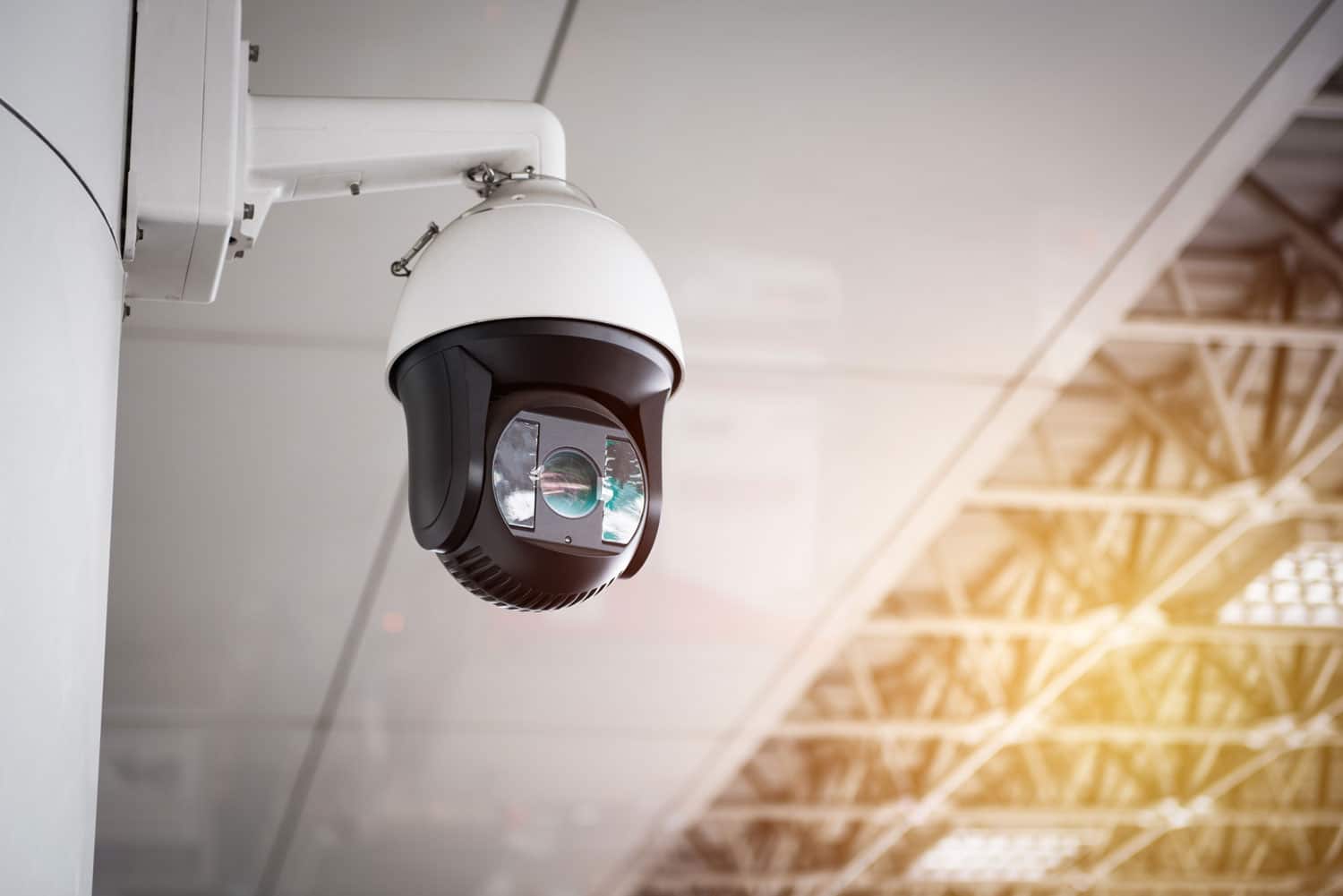
It’s time for retailers to invest in advanced, professionally placed retail CCTV security systems that can prevent crime. Pro-Vigil is the leading solution for ensuring the security and safety in large, sprawling retail brick and mortar locations. We offer strategic analysis of every risk-prone area and back it up with a security footprint and the right tools to up the ante on criminal behavior. Find out why retailers choose Pro-Vigil for a secure shopping environment. Contact us today.