
In the utility industry, laydown yards are crucial for storing and staging equipment, materials, and supplies for upcoming projects. These lots serve as a hub for crews and contractors to access resources needed for the job, or to respond after emergencies like a lightning storm that knocks out power. That’s why it’s essential for utilities to secure laydown yards at all times.
Temporary Site Doesn’t Mean Temporary Security
The utility sector that first comes to mind when thinking about who utilizes laydown yards most might be electrical utilities. But in reality, nearly all utilities use these sites – whether it be for new construction, renovation, or repairs. Solar farms, water plants, and oil and gas enterprises all have projects that call for using temporary laydown lots.
And while they may be called ‘temporary’ because they lack permanent infrastructure like buildings and electricity, laydown yards are often leased for years at a time and contain valuable materials and equipment that need to be protected around the clock. When disaster strikes, every tool, asset, and piece of equipment needs to be readily available. An emergency is the wrong time to realize your laydown lot has been robbed. These sites must be viewed as an extension of your business – because that’s exactly what they are.
Why Laydown Yard Security Matters More Than Ever
The growing demand for infrastructure upgrades and renewable energy projects means laydown yards are busier (and more vulnerable) than ever before. In many cases, these storage lots are located miles away from main operations, leaving them exposed to theft, vandalism, and unauthorized access.
A single incident can cost far more than stolen materials: Project downtime, insurance claims, and reputational damage all compound the loss. For industries where reliability is everything, a proper yard security system is a business-critical investment.
Effective laydown yard construction security involves more than just fences and lights. It requires a coordinated plan that combines perimeter protection, yard surveillance cameras, and rapid incident response. That’s why modern security strategies now rely on mobile video monitoring units that can be repositioned as projects evolve, keeping coverage consistent even as yard layouts change.
Valuables at Risk
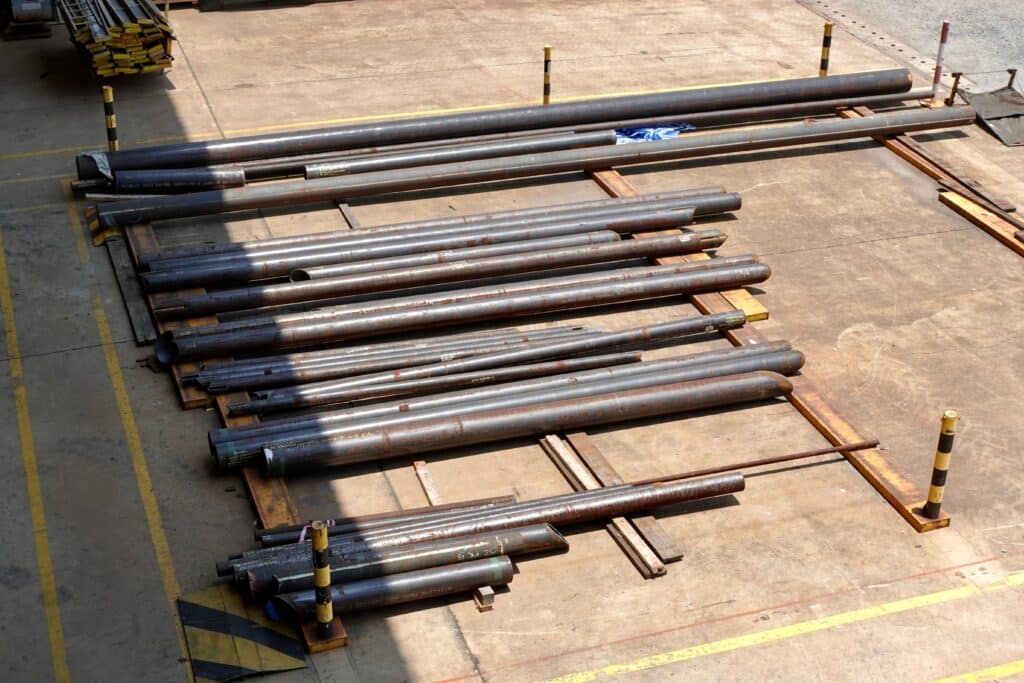
Items like transformers, copper fittings, and service vehicles are all stored on laydown yards. If not properly protected, thieves can easily steal these items and resell them to flip a quick profit. Once the items are gone, it can take weeks or even months to replace them. This can cause significant delays in the completion of a project, leading to increased costs and customer dissatisfaction. Laydown lots also need to be protected from vandalism. When a yard is left unattended in a remote area with a loosely defined perimeter, it becomes an easy target for those looking to cause damage. In Minnesota, someone drilled small holes in water pipes that were set to be installed in a new residential development setting the project back $25,000.
Common Threats in Yard Environments
Even with fencing, laydown yard construction sites face a variety of challenges that traditional facilities don’t.
-
Unauthorized access: Trespassers may sneak in at night to scavenge materials or equipment.
-
Vandalism and sabotage: Intentional damage to pipes, wiring, or heavy machinery can cause major project delays.
-
Internal theft: Without monitored entry points, it’s difficult to track who comes and goes.
-
Weather-related issues: Flooding, debris, and power loss can leave your yard surveillance cameras offline when they’re needed most.
Combining human awareness with proactive technology, like solar-powered cameras and AI-enabled monitoring, creates a defense that adapts to each threat, maintaining visibility even in harsh conditions.
Mobile Surveillance Saves the Day
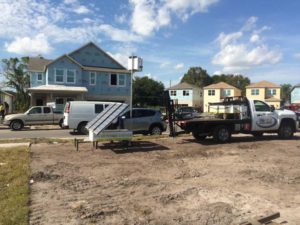
One way to secure temporary laydown yards is through fencing and gates. But this alone will not deter all thieves. The most effective security strategy for laydown lots combines fencing with remote video monitoring (RVM). Pro-Vigil’s mobile security camera units come with solar panels and don’t need to be plugged into power or WiFi to work. They can easily be moved around a temporary lot and maintain a secure connection even in the most remote locations. Mobile units provide a 24/7/365 view of what’s going on and give utility companies peace of mind, knowing that their assets are being monitored and protected. If trouble is detected, our team of virtual guards is notified so they can take action to help protect your site. Although our team is always monitoring, you can pull up a live feed of your site anytime on your phone or computer as needed for peace of mind.
Choosing the Right Security Camera for Your Yard
Selecting the right security camera for yard protection can make the difference between prevention and loss. Look for solutions that include:
-
Pan-tilt-zoom (PTZ) capabilities that can cover wide perimeters.
-
Solar or battery power for off-grid operation in remote laydown yard construction areas.
-
AI-enabled detection that distinguishes between people, vehicles, and animals.
-
Integrated sirens and lights for active deterrence.
-
Remote access so managers can review footage or receive alerts in real time.
Pro-Vigil’s yard surveillance camera systems combine these features with professional remote monitoring for a complete solution, which is ideal for utilities, construction firms, and oil and gas operators managing temporary or semi-permanent yards.
Building a Long-Term Yard Security Strategy
A proactive yard security system is an essential part of any construction or utility risk management plan, not an afterthought. Regular site audits, camera repositioning, and ongoing data reviews can help detect patterns before they become problems.
For large infrastructure projects, integrating yard surveillance cameras with fleet tracking and access control systems ensures that every entry, vehicle movement, and material delivery is logged and verifiable. When combined with cloud storage and real-time analytics, these tools create a digital record that supports both security and operational efficiency.
Critical infrastructure sites extend beyond service centers and central offices. Temporary laydown yards are an essential part of the industry, but they can also be vulnerable to theft and vandalism. To prevent these issues, utility companies must take proactive measures to secure their yards with RVM. Protect your utility properties from petty theft today. Chat with us to learn more about our mobile security solutions.
Laydown Yard Security FAQs
A laydown yard is a designated outdoor area used for storing and organizing construction materials, tools, heavy machinery, and other project-related equipment. It serves as a staging site where crews can easily access the resources they need for ongoing or upcoming work, especially on large-scale utility or infrastructure projects.
Because laydown yards are often temporary, open-air, and located in remote areas, they typically lack permanent security infrastructure like lighting or on-site staff. This makes them easy targets for thieves looking to steal copper wire, tools, and machinery, as well as vandals who can cause costly property damage.
Laydown yards are used across a wide range of industries that rely on large-scale or distributed operations, including:
- Electrical utilities and power distribution
- Oil and gas operations
- Construction and engineering firms
- Renewable energy sites such as solar and wind farms
- Water and wastewater treatment projects
Commonly targeted items include copper fittings, transformers, cables, pipes, fuel, heavy vehicles, and specialized tools. These materials are valuable, easy to resell, and essential for ongoing work, meaning a single theft can halt a project for days if not weeks.
Yes. Even if a yard is set up temporarily, it still contains high-value assets that require consistent protection. A strong yard security system that includes fencing, access control, and remote surveillance ensures safety, prevents delays, and reduces the risk of financial loss.
Remote video monitoring combines smart cameras with trained virtual guards who oversee sites 24/7. These systems can detect suspicious movement, trigger alerts, and contact authorities in real time. They’re ideal for laydown yards because they don’t rely on hard-wired power or Wi-Fi, instead having 5G connections and solar panels, making them reliable for even the most remote job sites.