
Quick Answer
An integrated security solution brings access control, surveillance cameras, intrusion detection, fire safety, visitor management, and other security technologies together under one centralized platform. Instead of operating independently, these systems share data and automate responses, enabling faster incident detection, simplified management, fewer false alarms, and stronger protection for people, property, and assets.
Key Takeaways
- Integrated security solutions combine multiple types of security, like access control, video surveillance, intrusion detection, and more into a single, unified platform instead of a patchwork of standalone tools.
- Integration enables real-time, automated response, e.g., a triggered alarm or a flagged camera can lock a door or alert a security team without manual cross-checking.
- Beyond catching problems like tailgating, integration reduces false alarms, simplifies management, and surfaces analytics that standalone systems can’t.
- Businesses across nearly every industry – retail, healthcare, banking, logistics, and more – rely on integrated business security to protect people, assets, and property.
- Cloud-based and on-premise integration each have trade-offs; many businesses use a mix depending on the location and system involved.
What is an Integrated Security System?
Integrated security systems combine all your security technologies and components into one unified system. These comprehensive setups typically include the following:
- Door access control
- Intrusion detection
- Video surveillance
- And more
Security systems evolved over the years. A century ago, you might have just used a padlock, but now, your business may have layered physical security systems. Over time, these systems have become a patchwork of overlapping tools.
You may have access security for the doors. There’s an alarm system. You have video surveillance. Perhaps even security guards. If these systems are separate and siloed, they may be inefficient. That’s why an integrated security system is the best protection for your business.
Part of the problem with older, siloed setups is that each system (e.g., door access, security alarms, cameras) was often purchased separately, from different vendors, on different platforms, with no way to share data. Add cloud-connected devices, remote work, and increasingly sophisticated threats like coordinated break-ins or insider theft, and outdated patchworks of standalone tools simply can’t keep pace.
Modern integrated security platforms are built to unify access, detection, surveillance, and more into one interoperable integrated security services environment from the start, rather than bolting them together after the fact.
Pro-Vigil Tip: Before choosing a platform, map out which of your existing systems actually need to talk to each other. Not every device needs deep integration; the goal is coordinated response where it matters most, not connecting everything for its own sake. For instance, maybe motion sensors and cameras are most important to integrate at the start, and adding access controls is less important. Every site is different.
Integrated Security vs. Unified Security: Are They the Same?
The terms are commonly used interchangeably, but they can describe distinct approaches to security system design. An integrated security system connects separate products or platforms so they can share data, while a unified platform manages multiple security functions from a single environment.
The terminology isn’t consistent across vendors, so evaluate what the solution does instead of what it’s called. Instead, look at how the systems exchange data, support automated workflows, simplify operator management, and handle future updates and maintenance.
What Security Technologies Can Be Integrated?
Integrated physical security extends well beyond cameras and access control. Based on the organization’s security goals and the platform in use, businesses can integrate technologies such as:
- Video surveillance: Connects live and recorded video with alarms, access events, analytics, and incident investigations.
- Access control: Links doors, gates, badges, and credentials with video verification and automated response workflows.
- Intrusion detection and alarms: Provides additional context for alarm events and directs verified incidents to the appropriate security team.
- Intercoms and two-way audio: Enables real-time communication with people at entrances, gates, loading docks, or other restricted areas.
- Visitor management: Simplifies guest registration, temporary credentials, and access permissions.
- License plate recognition (LPR): Identifies vehicles, checks approved or denied lists, and supports automated gate or perimeter access.
- Remote video monitoring: Combines live monitoring with AI-generated alerts to enable faster incident verification and response.
- AI-powered video analytics: Identifies supported object types, detects configured behaviors, and prioritizes events for operator review.
- Fire and life-safety systems: Can share selected alarm information with broader security workflows, while critical life-safety functions continue to operate independently and remain compliant with applicable codes.
Integrated Security Systems at a Glance
A quick side-by-side of what changes when you move from separate tools to a unified integrated security platform:
Area | Standalone Security | Integrated Security |
Event monitoring | Operators check separate systems | Related events can be surfaced together |
Response | More manual cross-checking | Selected actions can be automated or coordinated |
Video verification | Alarm and video may be separate | Alarm events can be paired with relevant camera views |
Investigation | Logs and footage searched independently | Events can be correlated by time, location, or identity |
Multi-site management | Multiple dashboards and workflows | More centralized visibility and standardized processes |
Reporting | Data remains in separate tools | Cross-system trends can be easier to analyze |
Maintenance | Each system managed independently | Can simplify operations, but integrations still require testing and upkeep |
Other Security Technologies Can Be Integrated, Too
Beyond access control, intrusion detection, and video surveillance integration, a growing list of integrated security technologies can plug into the same platform: alarm systems for intrusion and duress, visitor management for logging and badging guests, fire and life-safety systems for a single unified emergency response, intercoms for two-way communication at entry points, license plate recognition (LPR) for vehicle-based access control, and AI analytics that turn raw footage into actionable alerts across every connected system.
Why Do Businesses Need Integrated Security?
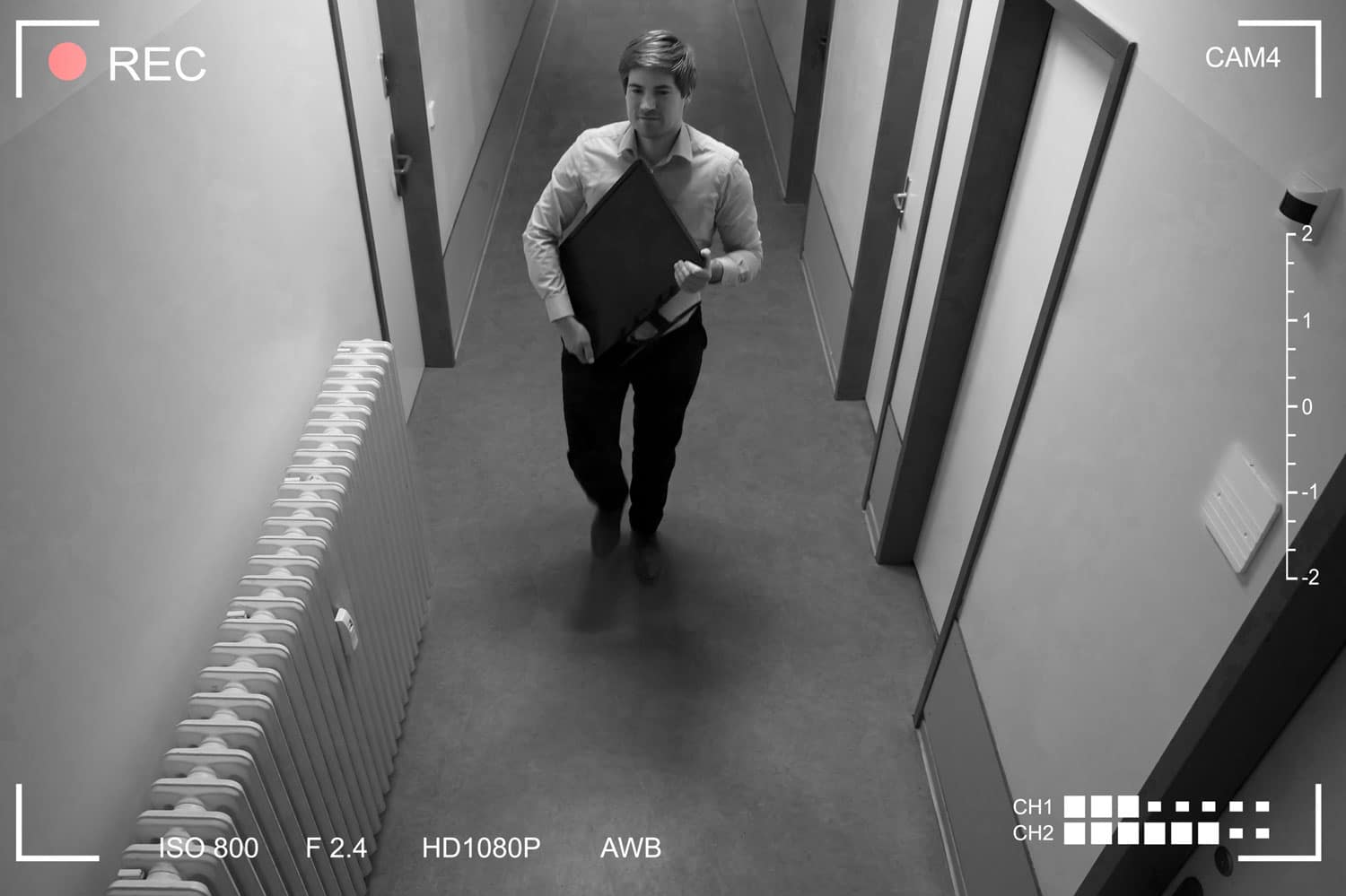
You have everything riding on your business security system. Without fire alarms and smoke detectors, you could lose the building. Access control protects your employees. Video surveillance provides evidence for prosecution. But these systems work better when they play off each other.
The Problem With Standalone Security Systems
Standalone systems create predictable gaps. Alarms trigger without context, so a security team has no video to confirm what actually happened. Access logs sit in one dashboard while camera footage sits in another, so piecing together an incident after the fact means checking multiple systems by hand. Nobody notices a malfunctioning sensor or an offline camera until it’s needed.
Standalone tools do their individual jobs, but none of them are watching the whole picture.
“The next wave of transformation won’t be about a single sensor or algorithm. It will be about orchestration: how all of these pieces work together to deliver reliable, measurable security outcomes.” — Satish Raj, Chief Technology Officer at Pro-Vigil
For example, an integrated security system can catch a piggybacker (a.k.a. tailgaters who sneak in just behind someone with a keycard). This is a huge problem that access control systems miss. By coordinating your systems, even the sneakiest piggybacker can get caught.
How an Integrated Security System Works
So how does integrated security work in practice? The process goes something like this:
- Video surveillance records the intrusion and pings access control to go into lockdown.
- If the video camera is IP-enabled, it sends a signal over the internet.
- The signal reaches a cell phone or desktop in a security hub.
- Security resources respond in real time.
Integrated security systems are increasingly common in commercial and industrial applications. They protect the people, assets, and property that make up your business.
Important
Not every security event requires the same automated action. Integration should support responses tailored to the facility’s unique risks, safety needs, and operational workflows. Life-safety and emergency systems should remain compliant with all applicable codes and regulatory requirements.
What Are the Benefits of Integrated Security?
Having security isn’t enough anymore. Integrating these tools increases the level of security at your property.
There are several benefits to integrating your security systems, including:
- Comprehensive protection
- Increased efficiency
- Scalability
- Simplified management
- Cost-effectiveness
Integrated security systems provide a more thorough solution for business protection. All operations are more streamlined. Access control and video surveillance run through a single desktop or smartphone monitoring tool. Hardware and software work in tandem. An integrated security system can even reduce false alarms.
Integrated security solutions improve response time. Merging data from video surveillance and access control online lets security teams monitor real time events. Integration helps you locate fires before they take hold. Hazardous conditions can be fixed before they cause a workplace injury. Doors can be secured from one software hub.
Even better, integrated security systems scale across multiple offices. Now security teams can watch all office locations from a single hub. Integrated security scales up or down as you need it. This scalability makes security integration highly desirable for businesses of all sizes.
Your team will encounter fewer false alarms. When video and access data confirm an alert before it’s escalated, security teams stop chasing phantom triggers and start responding to real ones.
Also, integrated security management typically comes with improved security analytics and reporting. A unified security management platform can surface trends across every connected system, e.g., repeat access attempts, unusual after-hours activity, or recurring equipment faults, instead of leaving that data scattered across separate tools.
Simplifying the management of business security is a smart move for companies. These tools offer a cost-effective way to streamline security. They can reduce your need for separate systems, saving money and time.
Challenges and Trade-Offs to Consider
While integrated security offers significant benefits, connecting multiple systems also introduces new challenges. A successful deployment balances improved functionality with careful planning, ongoing maintenance, and risk management.
- Compatibility with existing systems: Older cameras, access controllers, alarm panels, and proprietary software may not support modern integrations without middleware, gateways, or hardware upgrades.
- Cybersecurity: Connected security systems introduce additional user accounts, APIs, network connections, and endpoints that require continuous monitoring, patching, and access controls.
- Network reliability: Cloud-based and IP-enabled integrations depend on a stable network. Critical security workflows should include contingencies for internet outages, network disruptions, and power failures.
- Implementation complexity: Poorly planned automations can generate excessive alerts or unintended actions. Key workflows should be clearly documented, thoroughly tested, and assigned to responsible personnel.
- Vendor lock-in: A tightly integrated platform can simplify day-to-day management but may make future migrations or upgrades more difficult. Understand how integrations are supported when software changes or hardware reaches end of life.
- Unnecessary complexity: Not every system needs to be connected. The most effective integrations are those that deliver a clear operational or security benefit rather than adding complexity for its own sake.
What Kinds of Businesses Benefit from Integrated Security?
Any business or industry can benefit from a more coordinated security response. For example:
- Retail stores often integrate security systems. Integration prevents theft and protects employees, customers, and inventory.
- Banks and financial institutions require high levels of security. Integrating disparate platforms creates a faster, coordinated response.
- Manufacturing facilities integrate security to monitor unauthorized access and protect equipment.
- Healthcare facilities require secure access, monitor visitors, and coordinate emergency response systems.
- Educational institutions need an integrated response to secure buildings. Integrations protect people across a large campus.
- Hospitality businesses coordinate guest access, video, and fire safety across large properties.
- Logistics and warehousing operations use integration to monitor loading docks, inventory areas, and perimeter access together.
- Government and municipal facilities integrate security to protect public buildings and critical infrastructure.
- Multi-family and commercial real estate use integrated platforms to manage access across many tenants and units from one hub.
Any business that values the safety and protection of its assets can benefit from integrated security systems.
Can Existing Security Systems Be Integrated?
In many cases, yes, but compatibility depends on the equipment involved. Many modern security systems support integration through APIs, built-in software connectors, or industry interoperability standards. However, older or proprietary equipment may require middleware, integration gateways, selective hardware upgrades, or a phased migration strategy.
Before investing in new equipment, conduct an inventory of your existing security infrastructure. Document the manufacturers and models of your cameras, recorders, access control devices, alarm panels, intercoms, network hardware, and management software. This helps identify which systems can be integrated today and whether those integrations are likely to remain supported as software and hardware evolve.
Pro-Vigil Tip
Don’t evaluate an integration based solely on a successful demo. Instead, consider how it will perform over time. Ask how integrations are maintained during software upgrades, who is responsible for support if a connection fails, how quickly issues are detected, and whether operators have reliable fallback procedures if the integration becomes unavailable.
What Can an Integrated Security Solution Do for My Business?
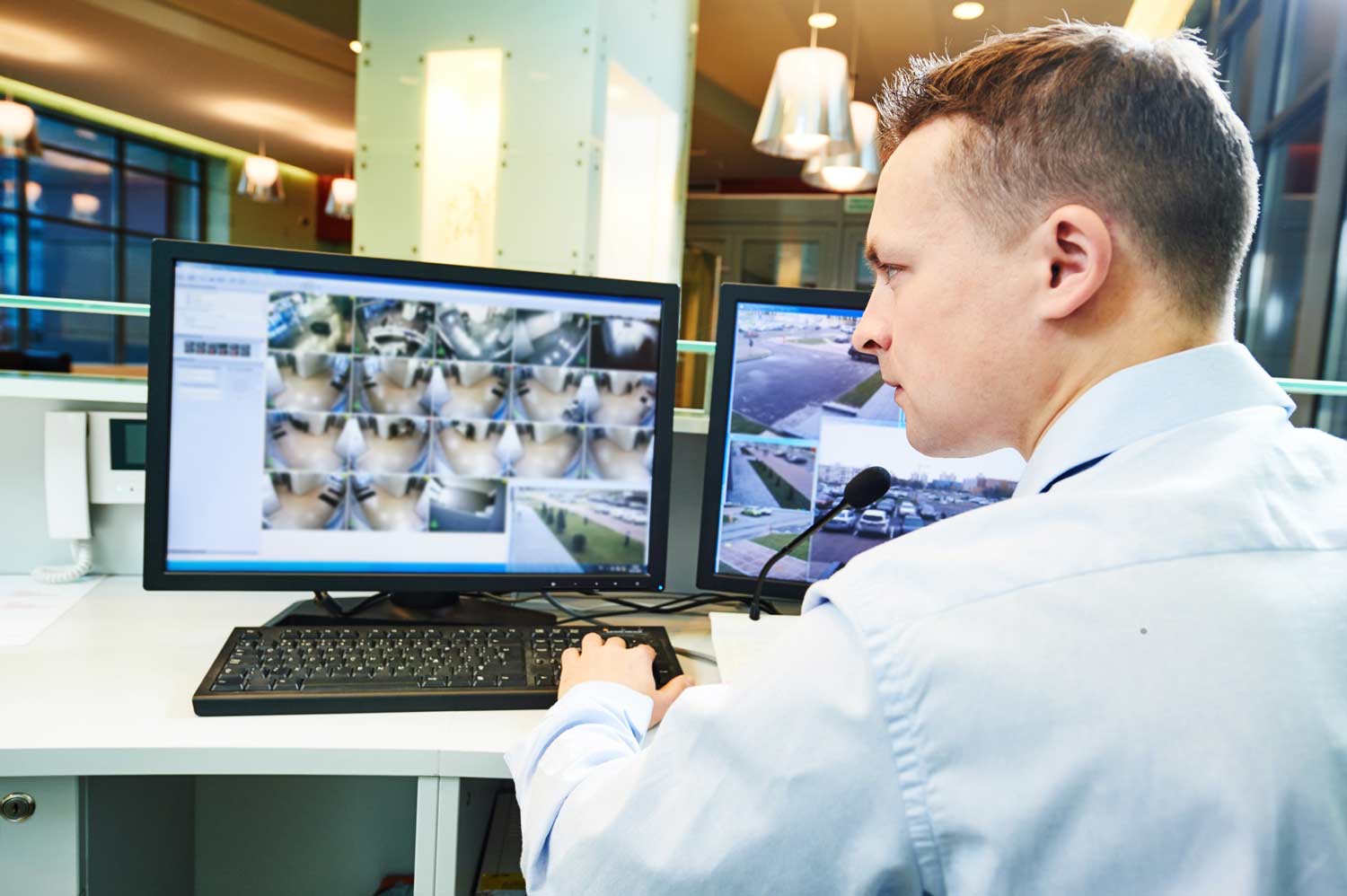
Internet-enabled integrated security systems allow you to see everything, everywhere, in real time. Integrating separate security systems creates a stronger protective net for your business when combined with virtual security guards.
Integrating your security systems can provide a faster response that enhances the safety of employees and customers. A faster response prevents loss and theft, giving security teams a better chance of catching criminals.
Even the most intelligent video surveillance cameras work well in an integrated environment. Modern features incorporate well, such as night vision, to increase your security presence. Even cameras at remote locations can connect to an integrated security hub. A virtual security guard can monitor from a central hub to watch your properties in real time.
Integrating your security tools also allows for advanced analytics. Traffic flow, customer behavior, and operational trends can be monitored in addition to criminal activity.
How Integrated Security Works In Real Life
Let’s look at some examples of an integrated security workflow in action:
- After-hours break-in: motion triggers a camera, which verifies a person is present, locks down affected doors automatically, and alerts a live monitoring team, all within seconds.
- Tailgating at a corporate office: access control logs a badge-in, but video shows two people entering on one scan, flagging the mismatch for a security operations center (SOC) operator to review in real time.
- Warehouse perimeter breach: license plate recognition flags an unrecognized vehicle at a gate, cross-references it against an approved list, and denies entry automatically while alerting on-site staff.

Pro-Vigil Field Insight
The value of integration lies in connecting detection with context and response. An alert becomes far more useful when operators can instantly view the relevant camera feed and determine whether the activity is expected for that location and time.
Best Practices for Implementing Integrated Security Solutions
A few practices separate a smooth rollout of integrated security solutions from a rocky one:
- Start with a full audit of your existing systems before adding anything new
- Prioritize hardware and software with open APIs so future security automation and additions integrate cleanly
- Phase the rollout by location or system type rather than converting everything at once
- Train staff on the unified platform, not just the individual tools
- Plan for scalability from day one, working with an experienced integrated security partner who can manage the technical details.
Pro-Vigil Tip: Loop in whoever manages your network and IT infrastructure early, not after the integration is designed. Physical security and IT increasingly rely on the same infrastructure, and problems are far cheaper to catch during planning than after installation.
How Does Pro-Vigil Handle Integrated Security?
Pro-Vigil can conduct a thorough audit of your disparate security systems. Then we create an integrated security solution to pull everything together under one software hub. Centralized control software helps manage multilayered security systems. Advanced features, like video analytics can spot holes in the architecture.
There are several approaches to the nuts and bolts of integrated security solutions. In the past, security systems generally had to integrate on site through the hardware. Today, many integrations occur over the internet.
Cloud-based integrations make use of application programming interfaces (APIs). APIs connect separate software platforms and their data.
Some businesses require a mix of integration processes. Older systems still may need to be physically integrated. For example, combining a video surveillance camera and an access control system into one device. However, most software today has interfaces that allow them to integrate.
No matter the security footprint, Pro-Vigil offers experienced security teams to help your business. We offer integrated security solutions as well as a la carte video surveillance. No matter the service, Pro-Vigil backs it up with unparalleled customer service.
Call us if you’re dealing with a patchwork of security systems and wonder how an integrated security system could help your business. We can help streamline your security response and reduce your risk.
Questions to Ask Before Choosing an Integrated Security Provider
Selecting the right provider involves more than comparing features. The right questions can reveal whether a solution is designed for your business, integrates with your existing infrastructure, and can support future growth.
- Can my existing cameras, access control systems, alarm panels, and other security devices be integrated without replacing them?
- What integration methods are supported, such as documented APIs, middleware, industry standards, or proprietary connectors?
- Which security workflows are automated, and which still require manual intervention?
- How does the system operate if the internet connection, local network, or a cloud service becomes unavailable?
- How are user accounts, credentials, permissions, and remote access protected?
- Who is responsible for maintaining integrations when software updates or hardware changes occur?
- Can the platform scale across multiple locations while remaining centrally managed?
- How are offline cameras, disconnected devices, or system failures detected and reported?
- Can video footage, access events, alarm activity, and operator actions be searched together during an investigation?
- What training, technical support, and ongoing maintenance services are included after deployment?
Final Takeaway
The true value of integrated security comes from how connected systems work together, not just from linking devices. It brings the right security technologies together to improve visibility, provide meaningful context, and enable faster, more consistent responses to security events.
The best integration strategy varies by organization. Some businesses may benefit most from linking alarms with video verification, while others may prioritize combining access control with surveillance or managing multiple locations through a single platform. The best solution depends on your organization’s unique risks, existing infrastructure, operational workflows, and future growth plans.
Pro-Vigil helps businesses assess their current security environment and identify practical ways to integrate video monitoring and related security technologies for stronger, more coordinated protection.
Integrated Security Solutions: FAQs
Having an integrated security system means that multiple security technologies and processes combine and work together. It’s a comprehensive approach to physical security, including access control systems, fire safety, surveillance, and more.
You can integrate the hardware and software of your business safety systems in these areas:
- Access control
- Intrusion detection
- Video surveillance
- Fire alarm
- Cybersecurity
By definition, an integrated security system connects previously separate tools — access control, video surveillance, alarms, and more — into one unified security platform, so they share data and trigger coordinated responses instead of operating independently. That's the short integrated security definition: previously separate tools working as one, coordinated system.
Beyond the access control, video, and alarm basics, modern integrated security systems can also connect visitor management, fire and life-safety systems, intercoms, license plate recognition, and AI-powered analytics — see the technologies covered above for the full list.
Comprehensive protection, increased efficiency, scalability, simplified management, cost-effectiveness, fewer false alarms, and better analytics — see the full breakdown above.
By connecting systems that used to work in isolation, an event in one system, like a triggered alarm or a flagged camera, can automatically prompt a response in another, like locking a door or alerting a security team, without anyone manually cross-checking multiple dashboards first.
Traditional security runs each tool separately, with manual monitoring and multiple dashboards. Integrated security unifies them into a single platform with automated alerts and real-time response.
In most cases, yes. Many modern platforms use open APIs to connect existing hardware and software without a full replacement. Older, non-networked equipment sometimes needs physical integration or replacement, but a professional audit can identify what can be integrated as-is.
The cost depends heavily on how many systems you're connecting, whether you're integrating existing hardware or replacing it, and the size of your property. A professional audit is the most reliable way to get an accurate estimate for your specific setup.
Neither is universally better; cloud-based systems offer easier remote access, automatic updates, and simpler multi-location scaling, while on-premises systems offer more local control. Many businesses use a hybrid of both, depending on the location and system involved.
Retail, banking, manufacturing, healthcare, and education are common adopters, along with hospitality, logistics, government facilities, and multi-family real estate. We go into more detail in the options above.
AI-powered analytics can tell the difference between a person, a vehicle, and an animal, which cuts down on false alarms significantly. It can also flag unusual patterns, like a door accessed at an odd hour, or a vehicle that doesn't match an approved list automatically, instead of requiring someone to notice it manually.