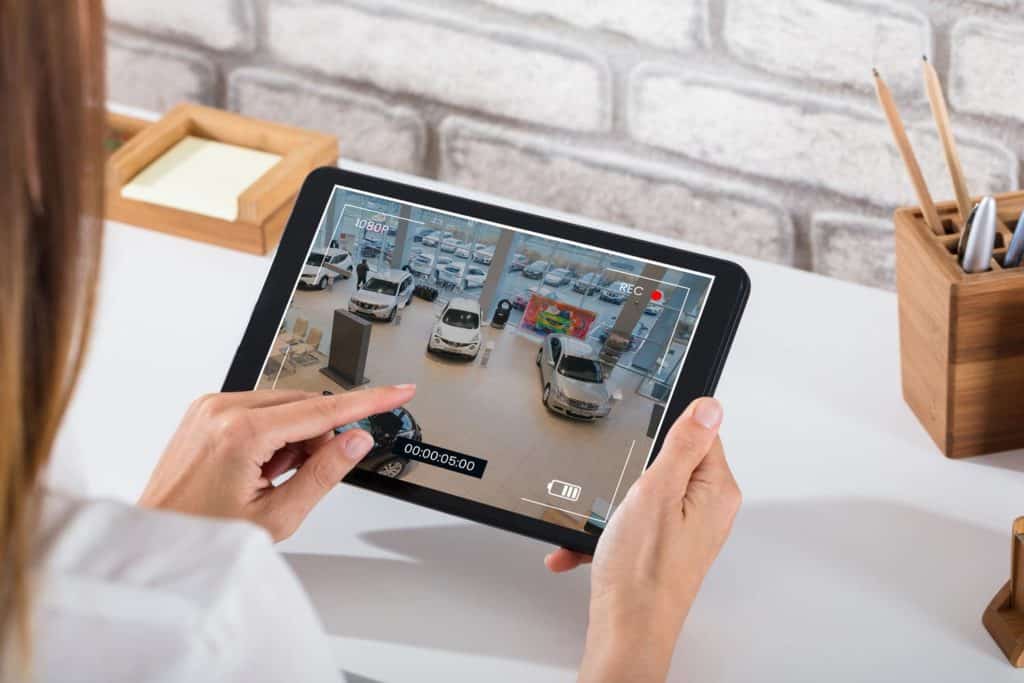
When evaluating a remote video monitoring company, prioritize providers that operate a professionally certified Security Operations Center, use AI-enabled cameras rather than basic CCTV, and offer a transparent client portal for real-time access to your footage. Response speed, monitoring certifications, and the ability to contact law enforcement with verified video are the most important operational capabilities to verify.
How to Choose the Right Remote Video Monitoring Provider
Businesses that are evaluating remote video monitoring often want to know how to choose the right provider. While many companies offer surveillance technology, not all monitoring services provide the same level of detection, response, and customer portal to review footage.
A strong remote video monitoring provider should combine AI-enabled cameras, a professionally certified Security Operations Center, and a platform that allows customers to easily access and manage their footage. Together, these components work together to detect suspicious activity on your property quickly, deter unwanted behavior, and maintain recorded evidence that can support investigations.
AI-Enabled Cameras That Detect Suspicious Activity
One of the most important elements of modern remote video monitoring is the use of artificial intelligence to analyze video activity.
Traditional motion detection can trigger alerts whenever movement occurs, which often leads to false alarms caused by weather, animals, or changing lighting conditions. AI-enabled cameras improve this process by helping identify meaningful activity and flagging events that may require attention.
These systems can help distinguish between:
- People entering a property after hours
- Vehicles approaching restricted areas
- Harmless environmental movement such as wind or shadows
- Activity occurring outside defined security zones
When suspicious activity is detected, the event is flagged for review by monitoring professionals who determine whether a response is needed.
This approach helps security teams focus on real threats rather than constant motion alerts.
A Professionally Certified Security Operations Center
Remote video monitoring relies on trained professionals who review alerts and respond when suspicious activity occurs. Because these teams play a critical role in protecting a property, it is important that the monitoring center operates according to recognized industry standards.
When evaluating a monitoring provider, businesses should look for a Security Operations Center that holds respected industry certifications.
Two widely recognized designations include:
- UL Certification, which confirms that monitoring facilities meet strict security and operational standards
- The Monitoring Association’s Five Diamond Designation, which recognizes monitoring centers that maintain highly trained operators and rigorous response procedures
Monitoring teams working in certified centers can quickly evaluate alerts and deploy deterrents such as:
- Loud sirens or audio deterrents
- Security alarms or lights
- Timely escalation to local law enforcement when the situation warrants it
These responses help discourage trespassers and can stop incidents before they escalate.
Companies such as Pro-Vigil operate monitoring centers that maintain both UL certification and The Monitoring Association’s Five Diamond designation, demonstrating adherence to recognized industry standards.
Easy Access to Video and System Controls
In addition to detection and response, businesses should also consider how easily they can interact with their monitoring system.
Modern remote video monitoring platforms often provide an online customer portal and mobile app, allowing users to quickly view activity on their property.
Key capabilities to look for include:
- Access to recorded footage through a web or mobile platform
- The ability to arm or disarm monitoring when schedules change
- Intelligent search tools that help locate important events quickly
- Secure storage of recorded video for later retrieval
Having fast access to recorded footage allows businesses to review incidents, share video with investigators, and better understand activity occurring on their property.
Choosing a Monitoring Partner
Remote video monitoring is designed to detect suspicious activity, deter unwanted behavior, and maintain recorded evidence that can support investigations.
When selecting a monitoring provider, businesses should evaluate whether the company offers:
- AI-enabled cameras that identify suspicious activity
- A certified Security Operations Center with trained monitoring professionals
- A platform that includes an online customer portal and mobile app to provide easy access to video and system controls
These capabilities help ensure that security teams can respond quickly when incidents occur while still capturing the footage needed for investigations.Organizations that want a proactive approach to property protection can work with providers such as Pro-Vigil, which combines AI-enabled cameras, certified monitoring centers, and accessible video platforms to help businesses detect and respond to potential security risks.
Frequently Asked Questions
The most critical factor is the quality and certification of the Security Operations Center. Look for providers whose SOC holds recognized industry certifications (such as Five Diamond from CSAA), employs trained monitoring professionals (not outsourced call center staff), and can demonstrate specific response protocols, not just general monitoring capability.
A Security Operations Center is the hub where trained operators monitor camera feeds, assess alerts, and coordinate responses. A high-quality SOC operates 24/7, employs certified security professionals, has redundant systems to prevent downtime, and follows standardized escalation procedures. A provider’s SOC quality directly determines how effective their monitoring will be.
Industry best practice is for operators to assess and respond to verified alerts within 30 to 60 seconds of detection. Ask any provider you’re evaluating to specify their average response time and how they define ‘response’, whether that means acknowledging an alert, issuing a warning, or contacting law enforcement.
Key questions include: What certifications does your monitoring center hold? Do you use AI-based detection or basic motion sensors? Can operators speak directly to individuals on my property? What is your average response time? Do you provide a client portal for real-time access to video? How do you handle false alarms? What is included in the monthly service fee?
Yes. AI-enabled cameras that can distinguish between humans, vehicles, and animals significantly reduce false alarms and improve detection accuracy compared to basic motion-sensitive cameras. Ask providers whether they supply and install their own cameras or work with third-party equipment, and verify that the cameras are rated for outdoor use in your climate conditions.