If you’ve wondered whether remote video surveillance is right for your business, this blog is for you.
What Is Remote Video Surveillance?

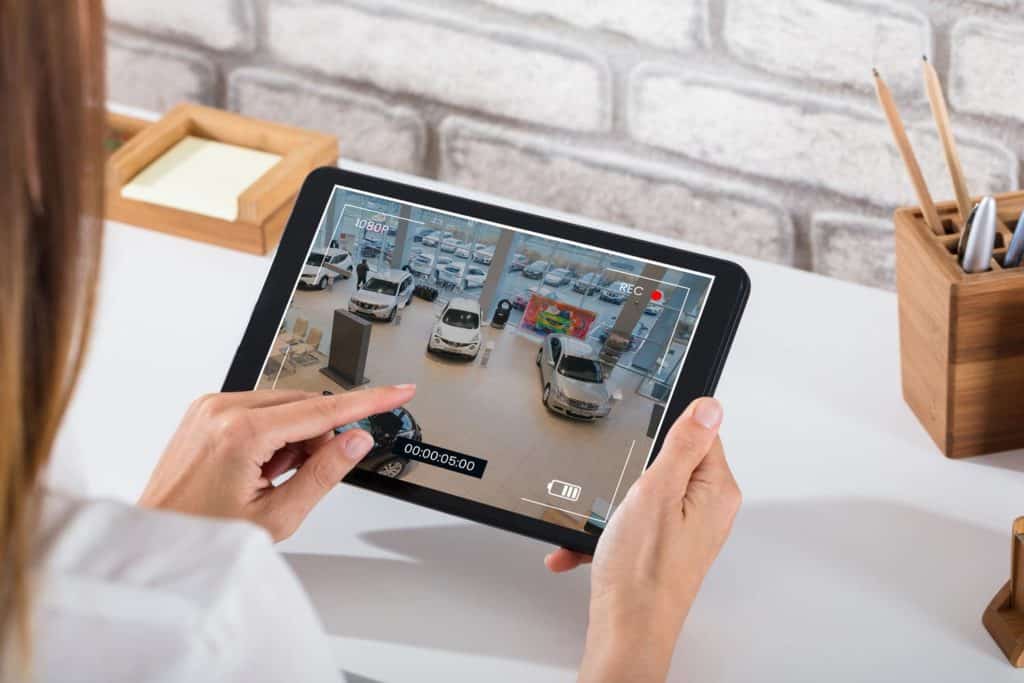
Traditional video surveillance used low-definition cameras that recorded information on a tape, DVR, or other physical device. Today, HD-capable cameras can connect to the cellular network and send live data into the cloud. At the other end of the feed are a trained set of eyes and ears, using the security camera with remote viewing to watch what’s happening on your property.
There are two primary types of remote video surveillance monitoring services:
- Fully hosted
“Fully hosted” video surveillance services send live feeds to a remote operator. The provider of this service handles everything, like onsite cameras, video analytics, and monitoring the cameras. - Hybrid hosted
“Hybrid hosted” remote video surveillance makes use of onsite storage at your business as well as in the cloud. Your security team can handle both or a portion of these services.
Whatever type of hosting you choose, the goal is the same: Reliable remote video monitoring lets you protect your property around the clock by outsourcing security to a team of experts who make use of modern technology with plain old human intelligence.
Remote Video Monitoring vs. Remote Video Surveillance: What’s the Difference?
The two terms sound alike, and they’re related, but they’re not interchangeable.
Remote video surveillance is the broader category: any system where cameras capture and transmit footage to an off-site location for viewing, whether that’s live, on a schedule, or purely for after-the-fact review. “Remote video surveillance” describes the infrastructure, e.g., cameras, cloud storage, and remote access.
Remote video monitoring (RVM) is a more specific, more active use of that infrastructure: trained personnel and AI-assisted systems actively watch the feeds in real time and intervene when something suspicious happens, issuing audio warnings, triggering alarms, or contacting law enforcement.
To put it more simply, like all squares are rectangles by not all rectangles are squares, all remote video monitoring relies on remote video surveillance technology, but not all remote video surveillance includes active monitoring. A property with cameras that only record to the cloud for later review is using remote video surveillance without RVM.
For a deeper look at how active monitoring works and what it can do for your business, see our guide: What Is Remote Video Monitoring?
The Three Types of Remote Camera Surveillance

- Live video monitoring
Live video monitoring is a real-time alternative for business owners that want eyes and ears on their property 24/7. From your virtual security hub, a bank of security monitors can capture live video as it happens from a security camera with remote viewing. - Scheduled video monitoring
Scheduled video monitoring allows for periodic or supplemental surveillance by a virtual guard at different times of the day or night. It’s a good way to spot-check employee behavior. You could use this service to monitor customers at peak traffic times. It could supplement live security guards. - Event-specific remote video monitoring
Event-specific remote video monitoring is for specific events that need security beyond your usual. If you’re sponsoring an event of any size, the more eyes and ears on your security detail, the better.
If the event is in a large outdoor space, you can rely on mobile cameras mounted high above the crowd. These IP cameras can connect wirelessly through the cellular network to your virtual guard service. With solar panels, these cameras don’t even need hardwiring to work.
No matter your choice, a virtual security guard service offers companies an alternative to traditional onsite security.
The Benefits of Remote Video Surveillance
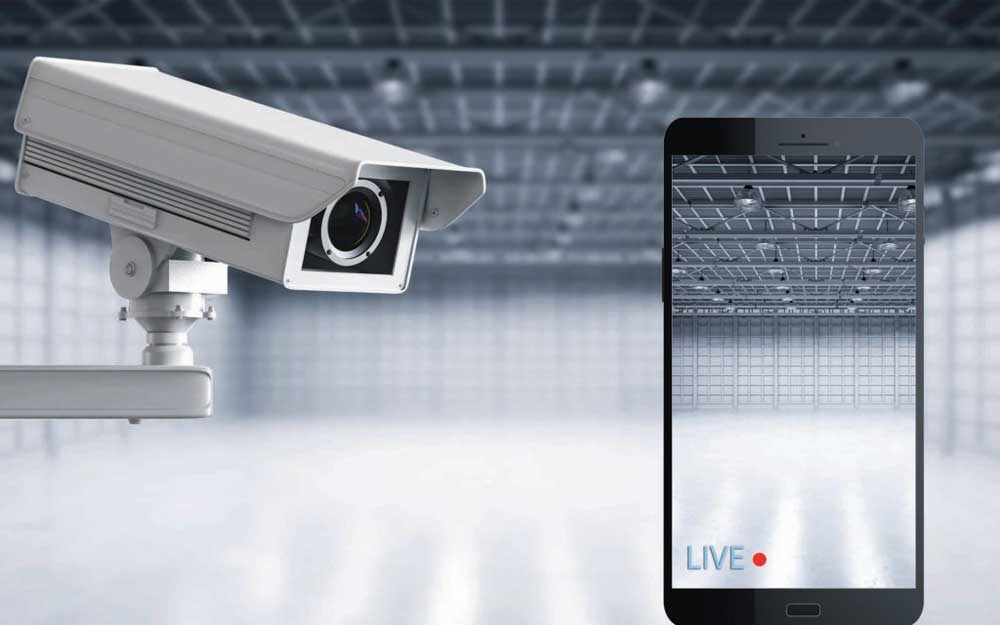
There are several benefits that traditional security can’t offer. For example, remote camera surveillance can:
- Surveil all points of your business around the clock
Strategically placed modern cameras, with a live video feed watched 24/7, can reduce your risk. It also increases the chances of catching thieves or vandals in the act. Traditional CCTV cameras can record the security incident as it occurs, but companies didn’t have the opportunity to review the data they captured until after the fact. Remote camera surveillanceis proactive, live, and prevents crime before it happens. - Improve your oversight
Today’s IP-enabled cameras can send a live video feed to any digital device. So not only can a virtual security guard watch your business while it’s closed, but you can also choose to check what’s going on in your business from a camera feed sent to your cell. - Cut your costs
Many companies rely heavily on traditional human security guards, an expensive option that in some ways only increases your risk.
It is typically the cost that deters many smaller companies from making use of these resources. When you consider a live security guard can run $30+ per hour, a virtual video surveillance company begins to look much more affordable.
These are only some of the benefits of remote video monitoring service. The obvious benefit, of course, is having peace of mind—and that’s really where Pro-Vigil can help.