
Quick Answer: What Is Remote Video Monitoring?
Remote video monitoring is a proactive security approach that uses intelligent cameras, artificial intelligence, and live monitoring teams to detect suspicious activity and intervene before incidents escalate.
Unlike traditional security cameras that only record video, remote video monitoring allows security teams to actively intervene when suspicious behavior occurs. Instead of reviewing footage after a problem occurs, monitoring professionals can issue audio warnings, activate deterrents, or escalate incidents to authorities in real time.
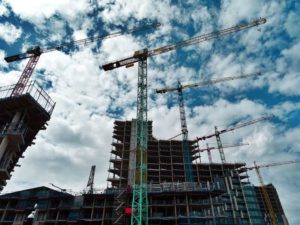
Businesses often use remote video monitoring to protect construction sites, commercial properties, warehouses, and parking areas that are unattended overnight.
How Remote Video Monitoring Works
Remote video monitoring uses a combination of intelligent cameras, artificial intelligence, and live monitoring professionals.
The process typically works in several steps:
1. Cameras monitor the property continuously
AI-enabled cameras watch key areas such as entrances, fences, equipment yards, and parking lots.
2. Artificial intelligence detects unusual activity
When a person, vehicle, or unexpected motion is detected after hours, the system flags the activity for review.
3. Monitoring professionals assess the situation
Security operators review the video feed immediately to determine whether the activity is suspicious.
4. Real-time intervention occurs
Operators can respond using audio warnings, lights, or alarms to deter the activity.
5. Authorities are contacted if necessary
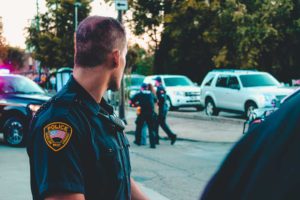
If the individual does not leave the property, the monitoring team can escalate the situation and deploy law enforcement.
This combination of technology and human oversight allows incidents to be addressed quickly, often before a crime occurs.
How Remote Video Monitoring Prevents Crime
Remote video monitoring helps stop crime by detecting suspicious activity early and responding immediately.
When individuals realize a site is actively monitored and that someone can communicate with them through loudspeakers or activate alarms, they often leave the property.
Remote monitoring systems commonly use audio and visual deterrents, including:
- Audio warnings through loudspeakers
- Flashing lights or sirens
- Escalation to law enforcement when necessary
For example, Pro-Vigil uses AI-enabled cameras and 24/7 monitoring teams to deter approximately 97 percent of criminal activity before it impacts a customer’s property.
Why Businesses Use Remote Video Monitoring
Many businesses rely on traditional cameras to document activity on their property. While these systems can provide useful footage, they often only show what happened after the fact.
Remote video monitoring shifts security from reactive to proactive. Instead of discovering problems the next morning, security teams can detect suspicious activity and intervene immediately.
Businesses often use remote monitoring to protect:
- Construction sites
- Warehouses and distribution centers
- Retail parking lots
- Industrial yards
- Equipment storage areas
- Commercial properties after hours
These environments are particularly vulnerable because they may be unattended overnight or during weekends.
Remote Video Monitoring vs Traditional Security Cameras
Traditional cameras and remote video monitoring both use video surveillance, but they serve different roles.
- Traditional cameras primarily record evidence of an incident.
- Remote video monitoring focuses on preventing the incident in the first place.
Instead of reviewing footage after a theft or vandalism occurs, monitoring teams can intervene immediately when suspicious activity is detected. And with the ability of network attached storage and cloud storage, that high-definition footage can be retained and used in subsequent investigations. This difference is why many businesses are shifting from passive surveillance systems to proactive monitoring strategies.
Remote Video Monitoring vs Security Guards
Some businesses rely on onsite security guards to patrol their property. Guards can provide a visible deterrent, but they may be limited by the size of the site and the number of areas that require monitoring.
Remote video monitoring allows security teams to observe multiple areas simultaneously using cameras positioned throughout a property. This can provide broader coverage, particularly for large sites such as construction projects or industrial yards.
In many cases, businesses use remote monitoring alongside other security measures as part of a layered security strategy.
Key Benefits of Remote Video Monitoring
Remote video monitoring helps businesses improve security by combining technology and real-time response. Key advantages include:
- Detecting suspicious activity as it occurs
- Deterring crime using audio and visual warnings
- Monitoring large properties continuously
- Escalating incidents to authorities when necessary
- Reducing theft, vandalism, and trespassing
This proactive approach allows organizations to stop incidents before they disrupt operations.
A Proactive Approach to Physical Security
As businesses look for more effective ways to protect their properties, many are shifting toward proactive monitoring solutions.
Remote video monitoring combines intelligent cameras, artificial intelligence, and trained security professionals to detect suspicious activity and respond quickly.
Companies such as Pro-Vigil specialize in remote video monitoring, helping businesses identify risks early and intervene before theft, vandalism, or trespassing disrupt operations.
Businesses looking to prevent incidents rather than simply document them can implement remote video monitoring as part of a modern physical security strategy.