Construction sites often store valuable equipment, tools, and materials that remain on site overnight. At the same time, many projects are temporary or located in areas without reliable power or internet access, which can make traditional security systems difficult to install.
Remote video monitoring has become a practical solution for many contractors because it can protect a site without requiring full-time guards. In many cases, mobile surveillance units powered by solar energy allow projects to deploy security quickly, even in remote or undeveloped locations.
Understanding how these systems are set up and what factors influence their cost can help contractors choose the right protection for their job sites.
Why Remote Construction Sites Need Flexible Security
Not every construction site has permanent infrastructure available when security is needed. Early-stage projects, remote developments, and temporary job sites often lack electrical power, wired internet, or permanent structures where cameras can be installed.
This creates a challenge for contractors who still need to protect:
- Tools and equipment stored overnight
- Pallets of building materials
- Fuel and generators
- Heavy machinery located in laydown yards
Because these assets can be expensive and difficult to replace, many companies rely on mobile remote video monitoring units that can be deployed quickly and relocated as the project progresses.
How Mobile Remote Video Monitoring Units Work
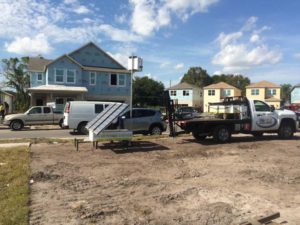
Mobile construction surveillance units are designed to protect locations where traditional security infrastructure may not exist yet.
These units typically include:
- Solar-powered cameras that operate without permanent electrical connections
- Cellular connectivity to transmit video alerts to monitoring centers
- Elevated camera towers that provide wide coverage across the site
- Integrated lighting or deterrent systems that can activate when suspicious activity occurs
Because they do not rely on permanent utilities, these systems can be installed early in the project and moved as construction progresses. This flexibility makes them particularly useful for remote construction sites, infrastructure projects, and large developments where power and internet may not yet be available.
What Happens When Suspicious Activity Occurs
Remote video monitoring systems do more than record activity on the property. AI-enabled cameras watch key areas such as entrances, equipment rows, and material storage zones. When unusual activity occurs after hours, the system alerts trained monitoring professionals who review the footage immediately.
If the activity appears suspicious, monitoring teams can respond using deterrents such as:
- Loud sirens or audio deterrents
- Security alarms or flashing lights
- Escalation to local law enforcement when necessary
Because individuals realize the site is actively monitored, many leave the area before equipment or materials are taken.
At the same time, the system records and stores high-definition footage, allowing contractors to review incidents later or provide evidence if law enforcement becomes involved.
What Influences the Cost of Construction Site Monitoring
The cost of remote video monitoring can vary depending on several factors related to the job site. Common factors include:
- The size of the construction site
- The number of cameras required for coverage
- The duration of the project
- The level of monitoring required
Because construction projects often last for months or years, many monitoring providers offer flexible deployment options that can scale with the needs of the job site.
In many cases, contractors find that remote video monitoring can provide effective protection without the ongoing expense of staffing full-time security guards.
Real-World Impact of Proactive Monitoring
Remote video monitoring is increasingly used across construction projects to help prevent theft and vandalism. Between 2024 and 2025, Pro-Vigil protected one nationwide construction company by:
- Processing more than 3.3 million motion alerts
- Deploying 439,000 deterrents
- Contacting site personnel 6,791 times
- Alerting police 1,821 times
- Preventing 519 potential crimes
With the average construction theft estimated to cost around $10,000 per incident, preventing hundreds of incidents can represent millions of dollars in avoided losses.
These results highlight how proactive monitoring helps contractors protect equipment, materials, and project schedules.
A Practical Security Solution for Remote Job Sites
Construction projects often operate in environments where permanent security infrastructure is not yet available. Mobile surveillance units powered by solar energy allow contractors to deploy protection quickly and adjust coverage as the site evolves.
By combining AI-enabled cameras, trained monitoring professionals, and recorded video evidence, remote video monitoring provides contractors with a proactive way to secure tools, materials, and equipment after hours.Companies such as Pro-Vigil specialize in mobile and fixed remote video monitoring solutions designed specifically for construction sites, helping contractors protect their job sites even in remote locations where traditional security systems may not be practical.