Each year, Pro-Vigil surveys business leaders to see how physical security incidents are impacting operations and how companies are responding. Construction leaders are the largest group in the research, including 65 of 114 respondents in the latest survey. The insights below focus on what affected construction jobsites faced in 2025 and what leaders expect heading into 2026.
Incidents aren’t easing on most jobsites
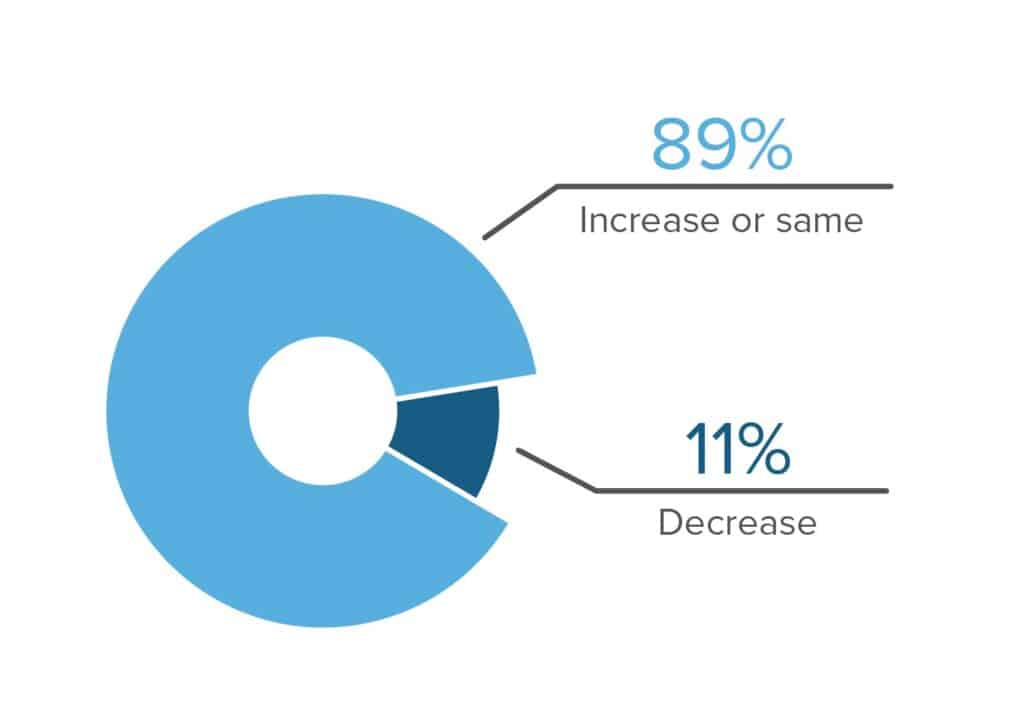
89% of construction leaders say physical security incidents on their jobsites increased or stayed the same in 2025, while only 11% reported a decrease. The takeaway is straightforward: jobsite crime remains a persistent operational factor, not a seasonal anomaly.
The cost of crime shows up in operations
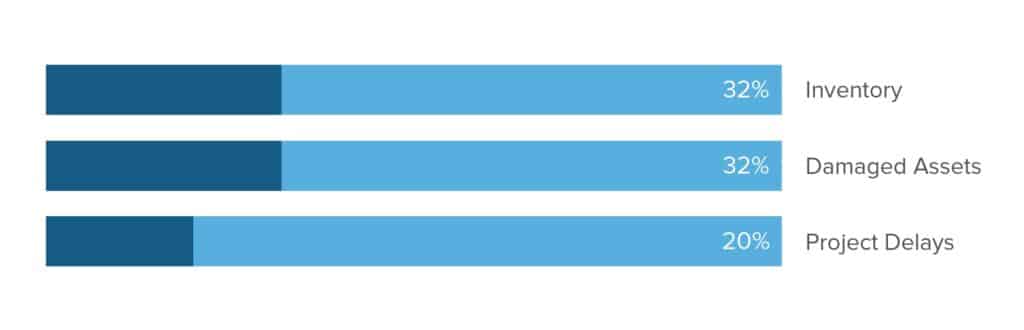
When incidents happen, leaders don’t just feel the impact in replacement costs—they feel it in jobsite momentum. Respondents most often say incidents affect inventory (32%) and lead to damaged assets (32%) and for many, the disruption goes further, contributing to project delays (20%). In other words, security incidents frequently translate into downtime, rescheduling, and ripple effects across crews and timelines.
What leaders think is driving jobsite crime
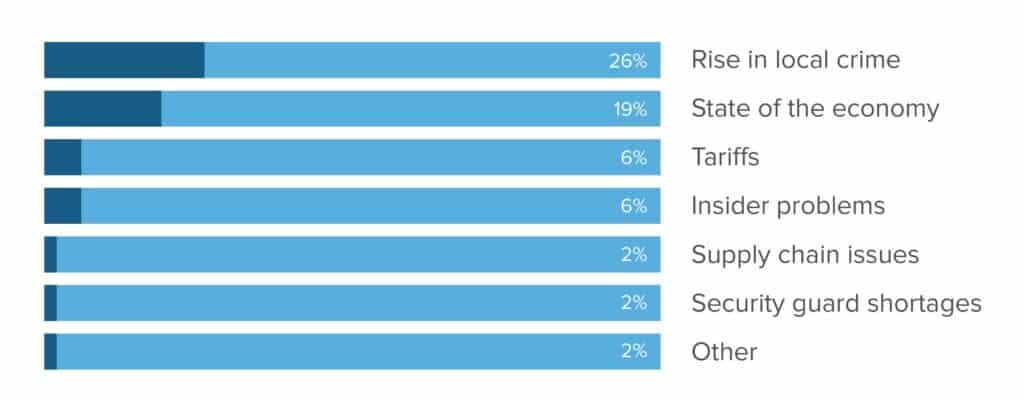
Asked what’s fueling jobsite crime, construction leaders most commonly point to forces outside their fences including a rise in local crime (26%) and the state of the economy (19%) as top factors. These responses show that leaders feel jobsite security doesn’t exist in a vacuum. Local conditions and economic pressure are shaping risk patterns and incident frequency.
Security concerns are tied to the business climate
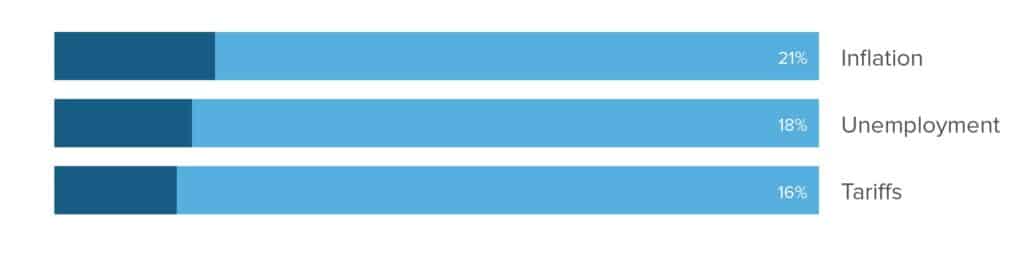
When construction leaders describe what worries them most about their security posture entering the year ahead, the top concerns read like a snapshot of today’s business environment: Inflation (21%), unemployment (18%) and tariffs (16%), lead the list.
AI: high belief, low adoption
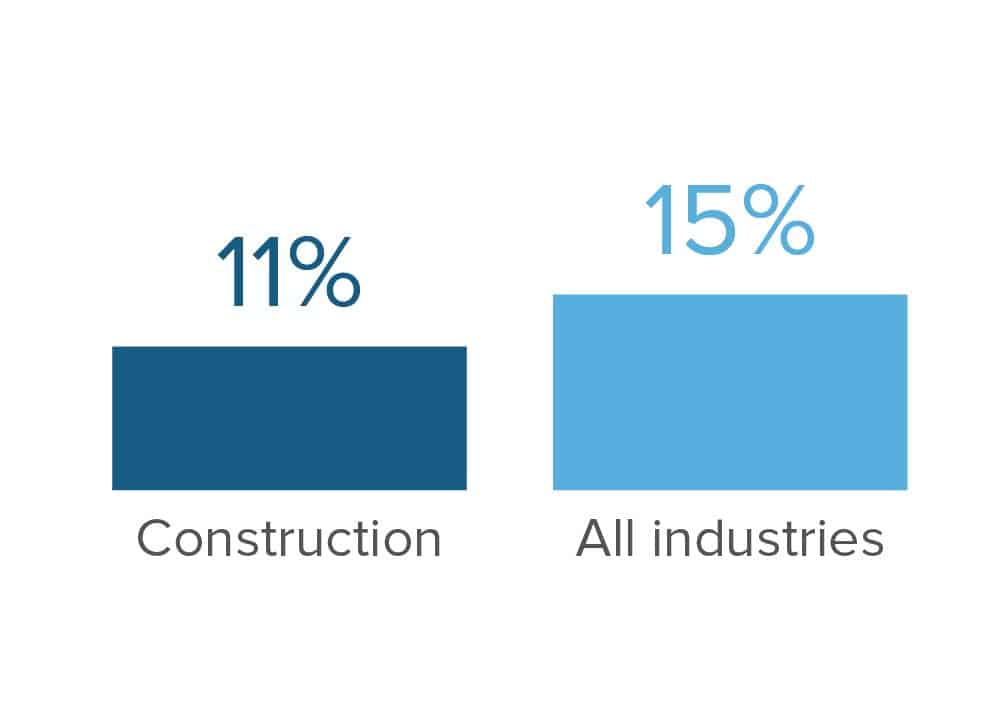
Artificial intelligence (AI) is increasingly viewed as a powerful tool for preventing and responding to incidents. But the data shows construction has room to grow in adoption. Only 11% of construction respondents say their security strategy currently uses AI, which is lower than the 15% reported across all industries in the broader survey.
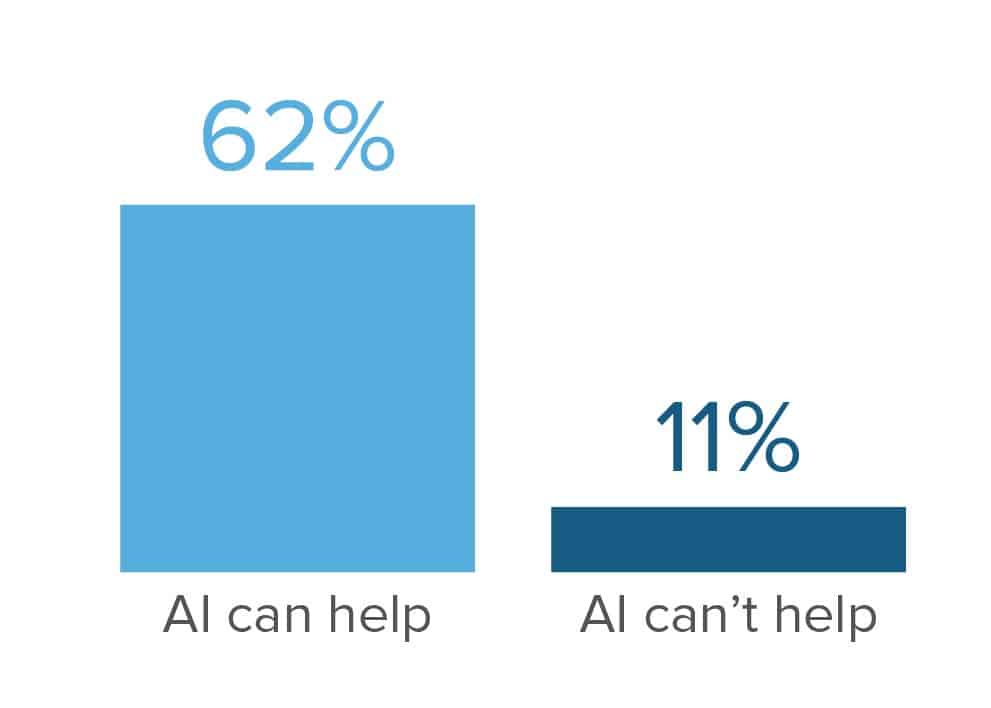
At the same time, construction leaders are largely optimistic about AI’s potential: 62% believe AI can help stop physical security incidents. The gap between belief and usage points to an opportunity, but few have operationalized it today.
What this means for construction leaders entering 2026
This snapshot reinforces a key message: jobsite security is increasingly an operational issue, not just a loss-prevention line item. With inventory impact, asset damage, and schedule disruption showing up as common outcomes, construction teams may benefit from strategies that prioritize early detection, fast verification, and consistent coverage across vulnerable periods. And with AI confidence rising, organizations that evaluate AI-enabled security tools now may be better positioned to reduce incident rates and minimize disruption as conditions evolve in 2026.
Read the full State of Physical Security Entering 2026 report now!