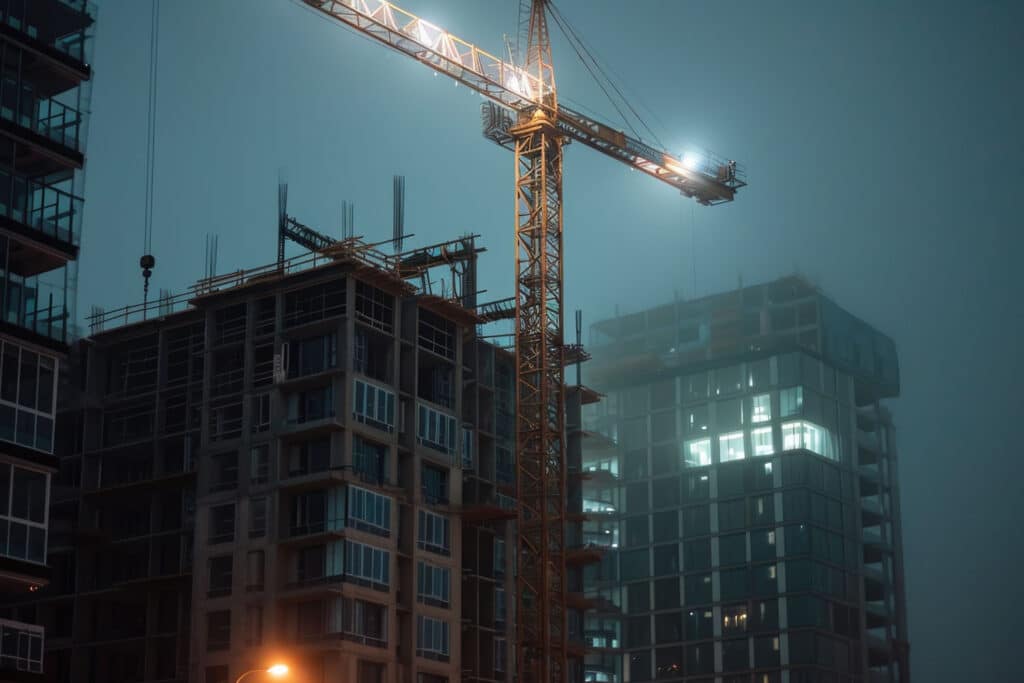
Construction sites are magnets for theft and vandalism, especially when the sun goes down and your crew heads home. Left unprotected, there is a rather worrying tendency to have equipment disappear, copper wiring get stripped, and materials vanish overnight. One stolen excavator can cost upwards of $100,000, and that’s before you factor in things like project delays and insurance headaches – there’s a real financial hit involved, here.
Traditionally, the answer to questions of after-hour construction site security has been erecting fencing or other barriers, then hiring security guards to patrol the site from dusk till dawn. But while this can certainly work, it’s an approach that comes with serious drawbacks. You’re looking at as much as $40 per hour per guard, and this can start adding up fast when you need coverage seven nights a week. There’s also the reliability factor. Guards can miss things, call in sick, or simply struggle to monitor every corner of a sprawling site effectively. Human beings haven’t yet evolved eyes in the back of our heads, so a patient thief can simply observe how your guards patrol and wait for their opportunity.
So what’s the alternative?
Modern technology has opened up smarter, more cost-effective options that don’t sacrifice security quality. The key is finding a solution that combines the watchful presence you need with the efficiency your budget demands. One of the frontrunners in this regard is remote video monitoring, but not all systems are created equal.
Why Remote Video Monitoring Outperforms Traditional Security

When we say “remote monitoring,” we don’t just mean “sticking a few cameras around your site and hoping for the best.” The real power of modern RVM solutions comes from pairing advanced surveillance technology with human oversight, creating a system that’s intelligent, responsive, and proactive.
The Technology Foundation
Modern construction site security relies on commercial-grade cameras designed specifically for outdoor environments. These aren’t your standard office security cameras, of course. They need to handle weather extremes, low-light conditions, and the dust and debris that come with active construction zones. Oftentimes, there may not even be hardwired power to the site, especially if it’s remote – building a refinery in the middle of nowhere, North Dakota, has much different security needs than building an apartment building in Albuquerque does.
Cloud-connected cameras provide several advantages over older systems, like:
Active Monitoring vs. Passive Recording
Here’s where most DIY security setups fall short. Recording footage can be useful for investigations after an incident, but it doesn’t prevent the theft in the first place. The cops might try to track down a thief who drove a backhoe off your job site, but they probably won’t be able to do much about a couple of opportunistic thieves stripping some copper wiring, leaving you with no redress other than hoping the footage will convince your insurance to make you whole.
Active monitoring, on the other hand, means trained professionals are actually watching your site and can intervene the moment something suspicious happens.
Virtual guards review live feeds and respond to motion alerts in real time. When they spot an intruder, they can issue verbal warnings through the camera’s speaker system, contact local authorities, and document the entire incident. Most trespassers bolt the second they realize they’re being watched and that the police are on the way. Whatever they might be able to take from your site won’t be worth the cost.
The math speaks for itself. Not only are remote video monitoring services more effective than an on-site guard presence alone, full-time guard services can be upwards of 4-5x more expensive than a remote virtual guard.
What Makes an After-Hours Construction Site Security System Actually Work?
The difference between a system that protects your site and one that just records crimes as they happen comes down to a few critical components working together.
First, camera placement matters more than most people realize.
You need coverage of entry points, high-value equipment storage areas, and perimeter fencing. But it’s not just about quantity; strategic positioning means fewer cameras can monitor more ground effectively. Corners and elevated positions give you the widest fields of view. This is something that camera networks have over on-site guards – your guards are on the ground, rather than in the air. (Unless you’re hiring Superman, in which case, the cameras will probably still help him.)
Next, you have a fully integrated system powered by analytics and AI.
Your cameras need to talk to monitoring software that can distinguish between a raccoon wandering through at 2 AM and an actual intruder. You don’t want to dispatch the authorities for a neighborhood cat. Modern AI-assisted detection helps filter out false alarms, so your monitoring team focuses on genuine threats rather than chasing every shadow and tree branch.
Finally, you have the response protocol.
When something triggers an alert, what happens next? The best systems have clear escalation procedures. Virtual guards assess the situation, attempt to deter intruders through speaker warnings, and coordinate with local law enforcement when necessary. Some systems even integrate with on-site lighting and alarms to create a more imposing deterrent.
The goal of any after-hours construction security system shouldn’t be documentation – not when it could be prevention, instead. Every element should work toward stopping incidents before they cost you money and time.
Making the Smart Choice for Your Site
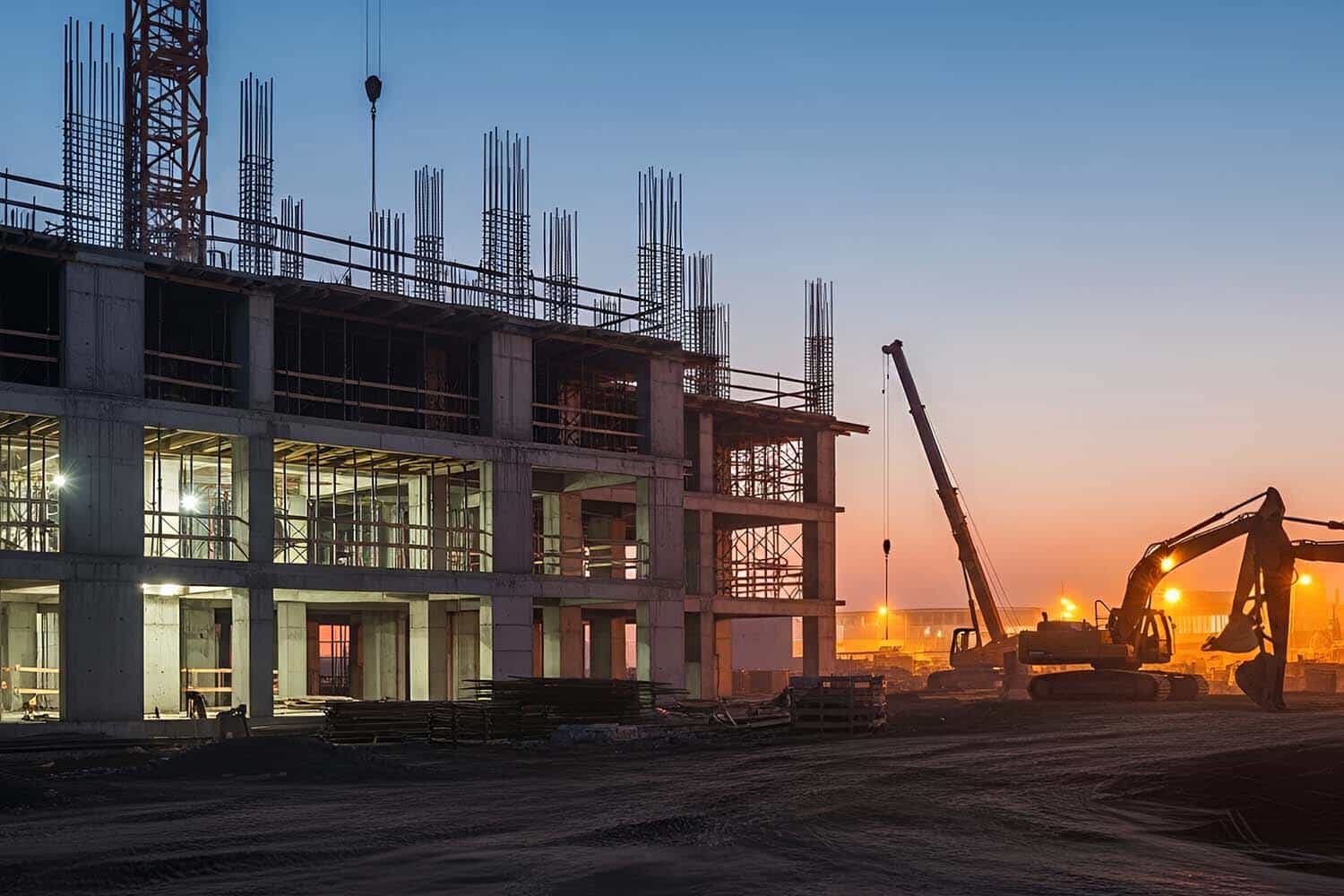
Construction site security doesn’t have to drain your budget in order to let you sleep at night, rather than tossing and turning, wondering if your equipment and tools will still be there in the morning. Remote video monitoring with trained virtual guards offers the protection you need at a fraction of traditional security costs.
The benefits are clear: