Quick Answer & Key Takeaways:
Remote video monitoring delivers strong ROI for most businesses by preventing incidents before they occur. Pro-Vigil deters 97% of trespassers on the first attempt. When you factor in things like avoided theft losses, reduced downtime, fewer false alarm fees, lower insurance premiums, and more, the math tends to be very straightforward.
- 46% of business leaders expect economic uncertainty to negatively impact their physical security budgets, making ROI scrutiny more important than ever
- The average construction equipment theft incident costs $30,000 in direct losses alone, before project delays, rental costs, or insurance impacts
- A good remote video monitoring provider like Pro-Vigil deters 97% of trespassers on the first attempt, which means preventing incidents eliminates direct losses, indirect costs, and insurance claims simultaneously
- Hidden costs like rising insurance premiums are often excluded from security ROI calculations, but RVM affects all of them
- Proper configuration, like camera placement, protocol setup, and monitoring contact routing all matter to ensuring the ROI promise can be made reality
Security spending is easy to scrutinize when nothing bad has happened recently – but that’s like assuming you can cut your IT team’s budget because you haven’t had any crashes or downtime and thus “don’t need to be spending so much.” (Hint: They’re the ones keeping your system up!)
According to Pro-Vigil’s 2026 State of Security report, 46% of business leaders expect economic uncertainty to negatively impact their physical security budgets in the coming year, and when budgets tighten, cost centers get cut. The question worth asking before your surveillance provider lands on the chopping block is a simple one: what does an incident really cost, and how does that compare to what the monitoring system costs to run?
For most businesses that do the math honestly, the answer is clarifying. So let’s break it down.
What a Security Incident Costs You
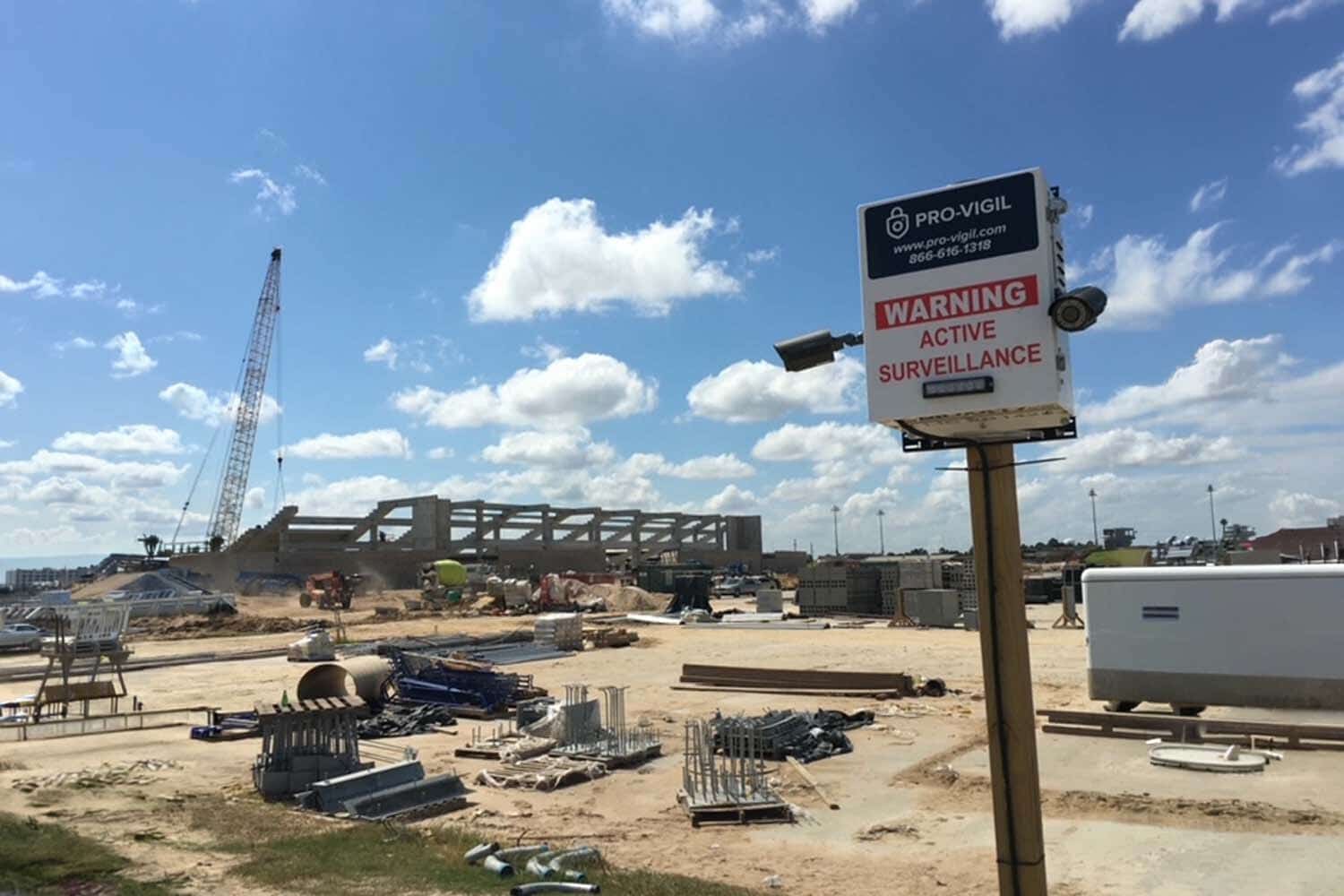
Before any ROI calculation makes sense, you need an honest baseline for the losses you’re trying to prevent, and most businesses undercount these because they’re only looking at the obvious number: the replacement cost of whatever was stolen. It’s understandable why they do this – it’s an easy number to look up – but in reality, this is underestimating what you’re actually losing.
As we covered in The True Cost of Construction Site Theft in 2026, the NICB and NER put annual construction equipment theft losses between $300 million and $1 billion, with the average incident running around $30,000. But that figure captures only the direct loss. It doesn’t include project delay costs, the rental equipment needed to keep work moving without incurring costly overruns, the insurance claim and its downstream effect on premiums, or the labor hours spent filing reports and coordinating replacements.
Theft isn’t the only exposure either. Things like vandalism or unauthorized dumping – you’re paying workers to clean that stuff up, which is time not spent paying them to build – or liability from trespassers injured on your property all contribute to a loss picture that’s considerably larger than most businesses realize. A good surveillance provider helps keep costs down for all of these, not just the “how much did that equipment cost” number.
The Deterrence Math
As it turns out, the ROI case for RVM becomes quite straightforward looking at the math, because the most valuable outcome isn’t catching criminals after the fact. After all, that might – emphasis on might – get you your equipment back, but it doesn’t compensate you for lost time or rentals.
Rather, you get the biggest bang for your buck by preventing incidents from happening at all.
Pro-Vigil’s virtual guards deter 97% of trespassers on the first attempt. And this deterrence is the mechanism by which RVM actually pays for itself. A prevented incident doesn’t just avoid the direct loss; it simultaneously eliminates the indirect costs, the insurance claim, and whatever operational ripple effects that incident would have caused. Prevention is doing a lot of work in that single outcome.
To put some scale around it: in 2025 alone, Pro-Vigil prevented 27,000 crimes across our customer base. That’s just shy of 30,000 incidents that didn’t happen, thefts that weren’t completed, vandalism that was interrupted, or trespassers who were warned off before they could cause damage. Preventing even one incident of average severity, whether a stolen generator, a broken-into vehicle, or a night’s worth of catalytic converter theft, could offset months of operating costs.
The Hidden Costs RVM Reduces
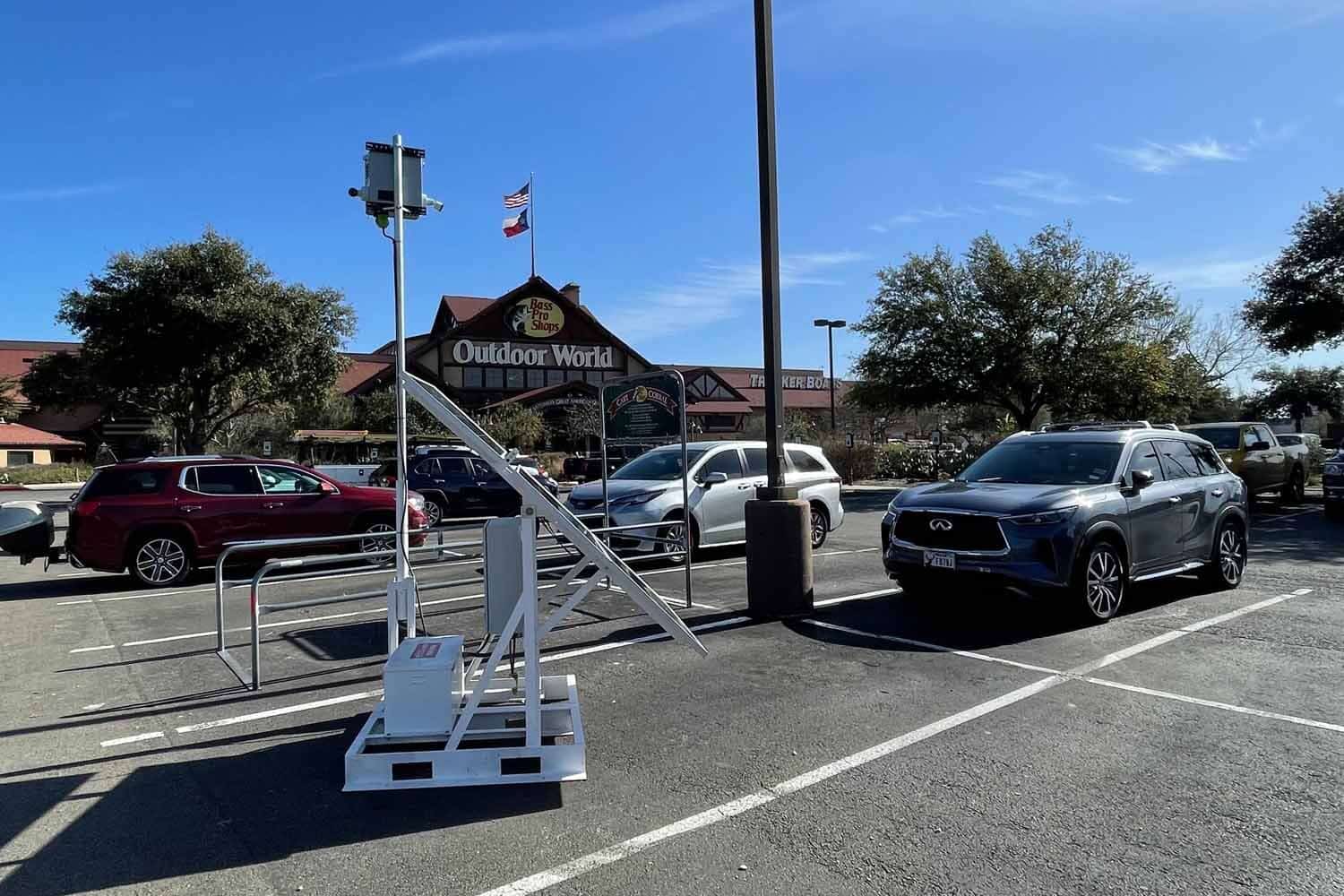
Most ROI conversations about security focus on theft prevention, which is fair but incomplete. Remote video monitoring also affects several cost categories that businesses rarely think to include in the calculation.
False Alarm Fines
As we discuss in our false alarm protocol documentation, many municipalities charge businesses directly when officers respond to an alarm and find no evidence of criminal activity. These fees compound quickly for any site generating regular alerts, and they carry a secondary cost in slower law enforcement response times for businesses flagged as repeat false alarm sources. Monitoring by experienced human guards reduces dispatches at the source, which means fewer fees and a police department that still takes your calls seriously.
Insurance Premiums
Claims drive premium increases, and a pattern of incidents can make a property increasingly expensive or difficult to insure over time. A documented monitoring system with verified deterrence outcomes is a meaningful data point in insurance conversations, and some carriers offer reductions for professionally monitored properties. It’s worth asking your insurer directly.
ROI Looks Different Depending on Your Site
The ROI case for RVM isn’t identical across every business type, of course. For high-value outdoor asset environments like construction sites, dealerships, and scrap yards, the value is primarily theft prevention and equipment protection, since the loss baseline is high enough that the math works quickly. For remote or unstaffed sites like vacant commercial properties and solar farms, the ROI argument is even more fundamental, since there’s no alternative active deterrence layer available. A vacant building has no staff to respond, which means that monitoring is the only thing standing between the property and whoever decides to test its defenses.
For multi-site operations, the economics shift further still. One monitoring infrastructure serving multiple locations is a considerably different cost structure than having a full-size platoon of onsite guard staffing, and the gap grows with every location added.
How to Get the Best Security ROI
One important caveat: You’ll only get the optimal ROI we’re talking about if your system is set up to properly work. This is something we see undermined fairly regularly when we assess new sites; cameras pointed at streets instead of assets give monitoring teams very little to work with. Monitoring contacts routed through multi-step phone trees add a critical delay.These are configuration failures, not technology failures, and they’re exactly the kind of thing a proper site assessment catches before they become expensive – and if you’re contracting a remote video monitoring company worth their paychecks, they’ll fix your security setup as part of onboarding.
The system pays for itself when it’s designed to prevent incidents. That requires correct placement, correct protocols, and a monitoring partner who knows the difference.
You Can’t Afford to Not Have Remote Video Monitoring
A team of security experts isn’t inexpensive – we know this for sure. But rather than asking “how much does remote video monitoring cost?” when looking at your budget, you should reframe the question. Instead, ask what a preventable incident could cost your business, not just in direct loss, but in second-order impacts like operational disruption.
In 2025, Pro-Vigil prevented 27,000 incidents just like those for businesses all around America. Get a free quote to see what a system designed around your specific site looks like.
Remote Video Monitoring ROI: FAQs