When it comes to securing a property’s perimeter, the type of camera you choose can make a big difference. If you’ve found yourself weighing the benefits of PTZ vs. fixed cameras, know that you’re not alone — and the decision isn’t always straightforward. Both have strengths that shine in different scenarios, and the right choice depends on factors like coverage needs, monitoring style, and budget.
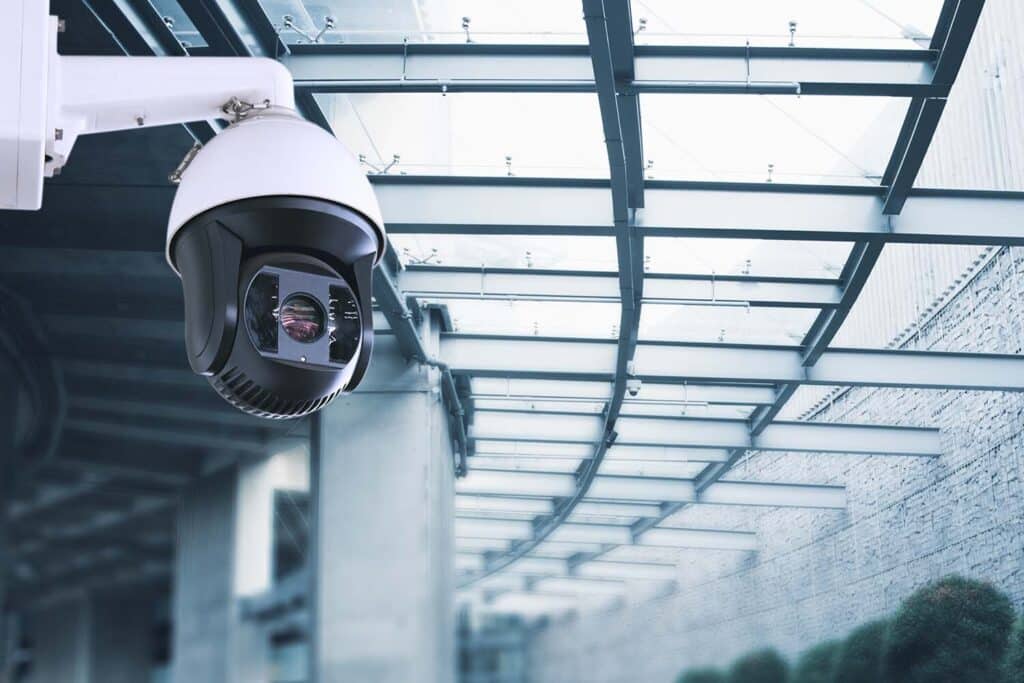
PTZ (pan-tilt-zoom) cameras are versatile and dynamic. With the ability to swivel horizontally, tilt vertically, and zoom in on distant activity, they can track a subject across a large area without requiring multiple units. This makes them ideal for environments like expansive parking lots or construction sites where activity is spread out and unpredictable.
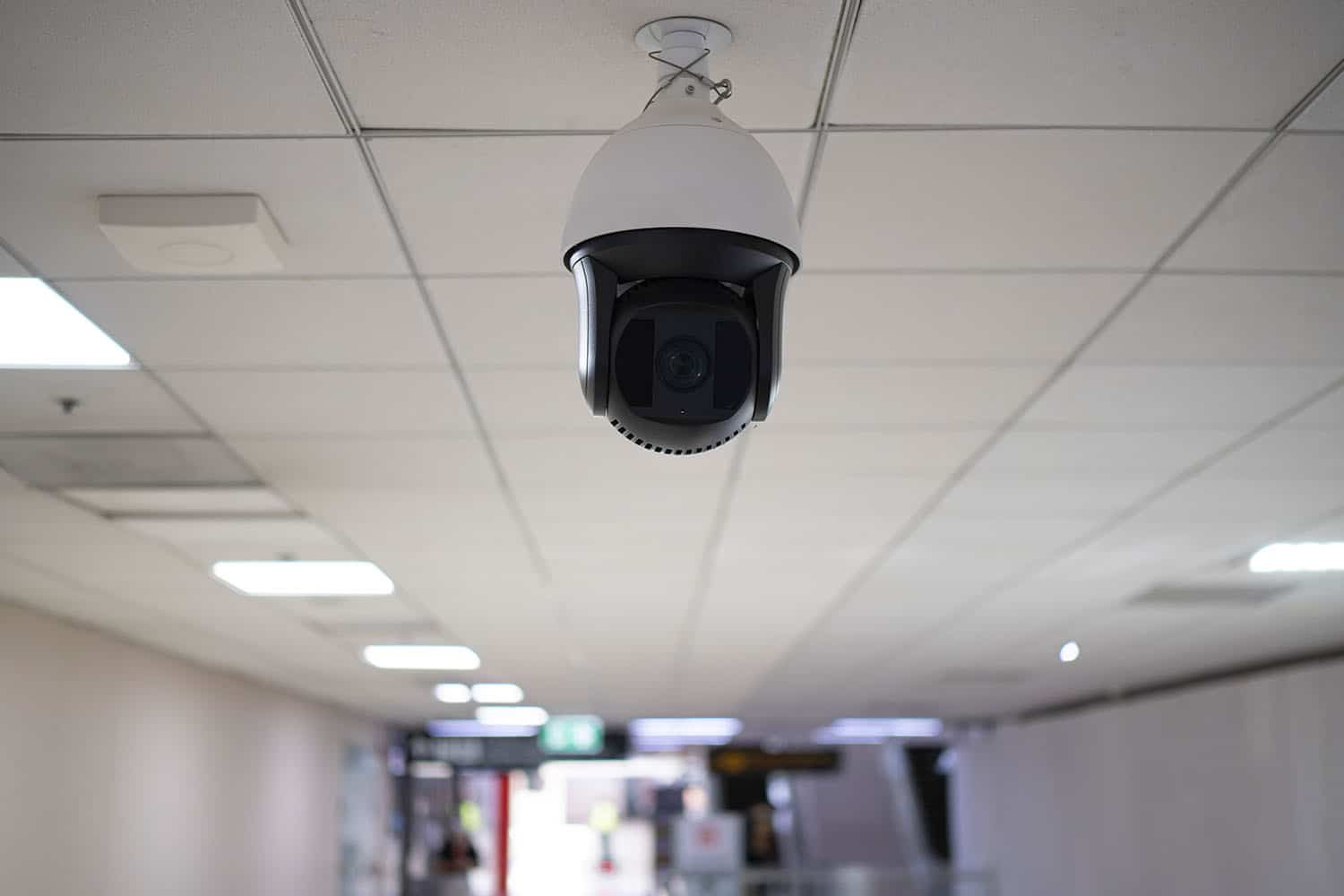
Fixed cameras, on the other hand, are reliable and steady. They’re always pointed in one direction, capturing consistent coverage of key points such as entrances, gates, or loading docks. Their simplicity often means fewer moving parts (and therefore fewer potential maintenance headaches) while still providing crystal-clear footage when paired with the right resolution and lighting.
In this blog, we’ll break down the debate of PTZ vs. fixed cameras for perimeter security, exploring their advantages, limitations, and the scenarios where each shines brightest.
Mobility vs. Consistency in Coverage
A big part of the PTZ vs. fixed cameras decision comes down to flexibility. PTZ units can actively follow a moving subject, zooming in for detail or pulling back for a wide view. This mobility allows security personnel, whether on-site or working remotely through a live monitoring service like Pro-Vigil, to react in real time, adjusting the field of view as situations evolve. That means one well-placed PTZ camera could replace multiple fixed cameras in certain areas, potentially reducing the total number of devices needed.
However, that same flexibility comes with trade-offs. If a PTZ is zoomed in on one incident, it can’t see what’s happening elsewhere in its range at that moment. If there’s simultaneous activity on opposite ends of a property, something might go unnoticed. That’s why many businesses pair PTZ cameras with strategically placed fixed cameras, ensuring continuous coverage even when the PTZ is focused elsewhere.
Reliability and Maintenance Considerations

Fixed cameras bring predictability. Once aimed, they keep watch over the same spot 24/7, providing a constant visual record without the risk of “looking away.” They’re particularly valuable for choke points — the places people or vehicles must pass through — because you can be confident that nothing slips by. Their lower mechanical complexity also tends to mean lower maintenance costs and a longer operational life.
Another factor in the PTZ vs. fixed cameras conversation is how the footage will be monitored. Live monitoring teams can take full advantage of a PTZ’s movement capabilities, but if the system is primarily reviewed after the fact, fixed cameras may provide more consistent evidence. Each type of camera plays a role in an effective perimeter security plan, and understanding those roles is key to making the right investment for your site.
Strengths of PTZ Cameras
PTZ cameras shine in locations where the security landscape changes by the minute. Their ability to scan wide areas and then focus tightly on a specific event makes them invaluable in high-traffic or high-risk environments. For example, a large vehicle lot might use a PTZ to scan the entire property but zoom in on suspicious activity at a distant fence line. This adaptability helps security teams respond faster and gather more useful detail during incidents.
That said, PTZ effectiveness depends on active monitoring. Without someone directing its movement or automated patrol patterns in place, it risks missing incidents outside its immediate focus.
Strengths of Fixed Cameras
Fixed cameras might not have the same mobility, but they win points for stability and dependability. They’re perfect for locations that require uninterrupted coverage, such as:
By locking in on a specific zone, fixed cameras ensure that you have a complete record of everything that passes through that point, with no blind spots, no shifting view.
From a cost perspective, fixed cameras also often have the advantage. They typically require less complex installation, fewer moving parts, and reduced maintenance over time. PTZ units can cost more upfront and may need more frequent servicing due to their mechanical components.
Building a Hybrid Perimeter Security Strategy
A blog is a theoretical world; when it comes to real-world applications, the PTZ vs. fixed cameras conversation doesn’t end with “choose one.” Instead, the best results often come from combining both.
A fixed camera might provide an uninterrupted feed of a parking lot entrance, while a PTZ stationed nearby can sweep the lot, zooming in on any unusual movement. This pairing ensures that while one camera is “on patrol,” the other is always watching a critical chokepoint. This hybrid approach leverages the strengths of each camera type, creating a more comprehensive perimeter defense without overextending your budget.
Security teams can take this further by integrating analytics. Fixed cameras can be equipped with motion detection or license plate recognition to automatically trigger PTZ cameras to zoom in on a specific event. This kind of automation bridges the gap between active and passive surveillance, making the system more responsive without relying solely on human reaction times.
Making the Right Choice for Your Site
When deciding how to allocate your budget, consider: