
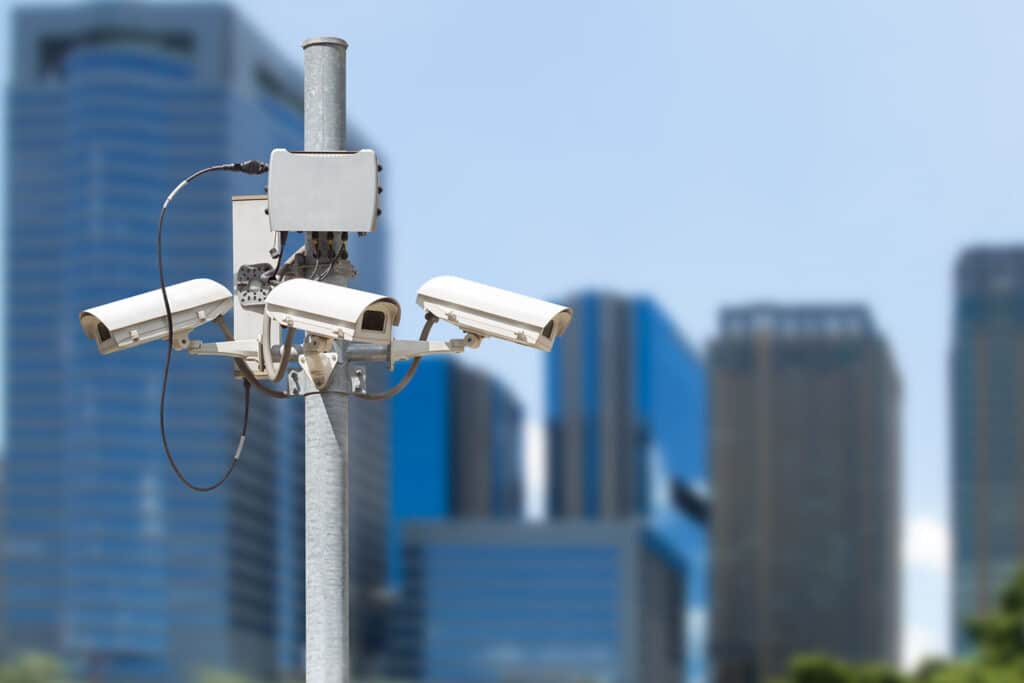
When you’re considering ways to protect your property, it’s likely that you’ve asked yourself whether motion activated security cameras are the right fit. These systems are designed to detect movement and start recording, which is a useful feature for businesses that don’t have people onsite around the clock. But while the promise of “always on alert” is attractive, it’s worth unpacking how these cameras actually work and whether they’re enough on their own.
Unlike traditional cameras that record continuously, motion activated security cameras only capture footage when there’s movement. That makes them more efficient from a storage perspective, since you’re not filling up hard drives or cloud accounts with hours of empty parking lot footage.
Motion activated security cameras can also help business owners quickly pinpoint incidents instead of digging through endless reels of uneventful video. For many companies, that alone is a big selling point.
However, motion detection isn’t a silver bullet. Outdoor events can be unpredictable, and you can get false alarms from things like swaying trees or passing cars. Making a decision about whether to rely on motion activated cameras involves weighing convenience, accuracy, and efficiency – as well as considering other potential options.
Motion Activated Security Cameras: The Case For
Why should you rely on motion cameras to protect your business? Let’s first examine the arguments for them.
How Motion Activated Security Cameras Work
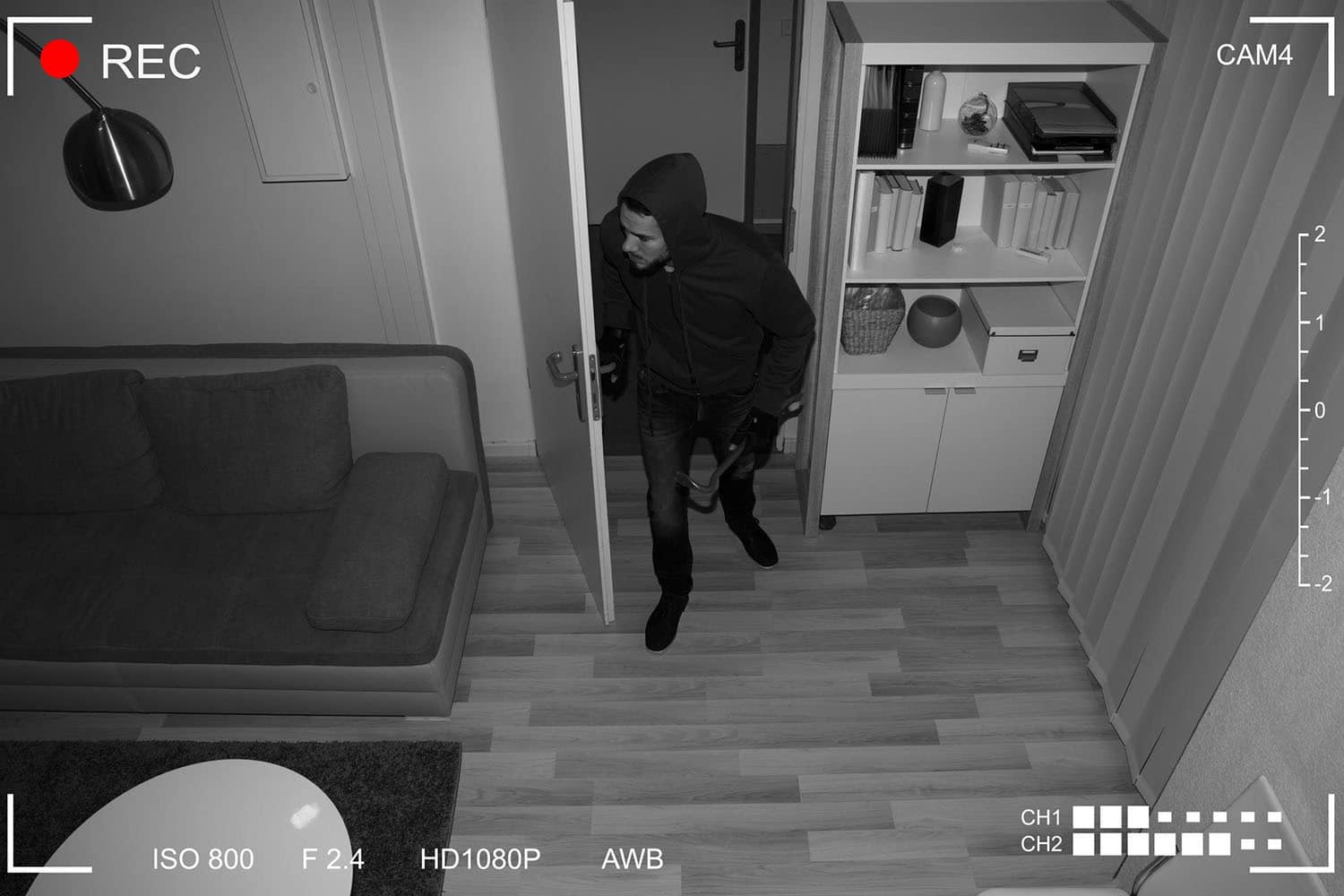
Motion activated security cameras use sensors to detect movement within a defined field of view. When motion is picked up, like a person walking by, a vehicle pulling in, or some other disturbance, the camera starts recording.
Motion cameras are typically powered by two main types of technology:
Motion Cameras Offer a Practical Security Layer
By recording only what matters, motion activated security cameras make it easier for businesses to maintain oversight without wasting resources. They create an active, visible presence that deters crime before it happens. When integrated with a broader system, such as remote monitoring or virtual guards, these cameras become an efficient and reliable part of a modern security strategy.
(Pay attention to this last part; we’ll revisit it later).
Motion Activated Security Cameras: The Case Against
While motion activated security cameras provide clear advantages, they are not without drawbacks. In fact, relying on them as your primary line of defense can leave noticeable gaps in protection; this can be costly for businesses with valuable assets like cars in a dealership lot or otherwise open unattended properties.
False Alarms and Missed Events
One of the biggest frustrations with motion cameras is reliability. PIR sensors can be set off by things as ordinary as a gust of hot air from HVAC equipment or a curious neighborhood cat. Pixel-based systems, meanwhile, can be fooled by blowing trash or shifting shadows. The result? Constant false alarms that dilute urgency.
Worse, subtle but real threats can slip through entirely if your team grows accustomed to ignoring these false alarms. You might well have just created the “security system that cries wolf”!
Even when detection works as intended, motion activated security cameras can only tell you that something moved. They can’t distinguish between harmless activity and real danger. A late-night delivery and a trespasser trying to cut into your storage area are all treated the same. Without context, or someone actively monitoring the feed, you’re left guessing whether to act.
A Partial Solution
For all their strengths, motion cameras alone can’t provide comprehensive protection. They help reduce wasted storage and add deterrence, but they don’t offer certainty. To get that, businesses need more than motion alone; they need a system that fills in the blind spots and adds real decision-making to the process.
Virtual Guards Bring It All Together
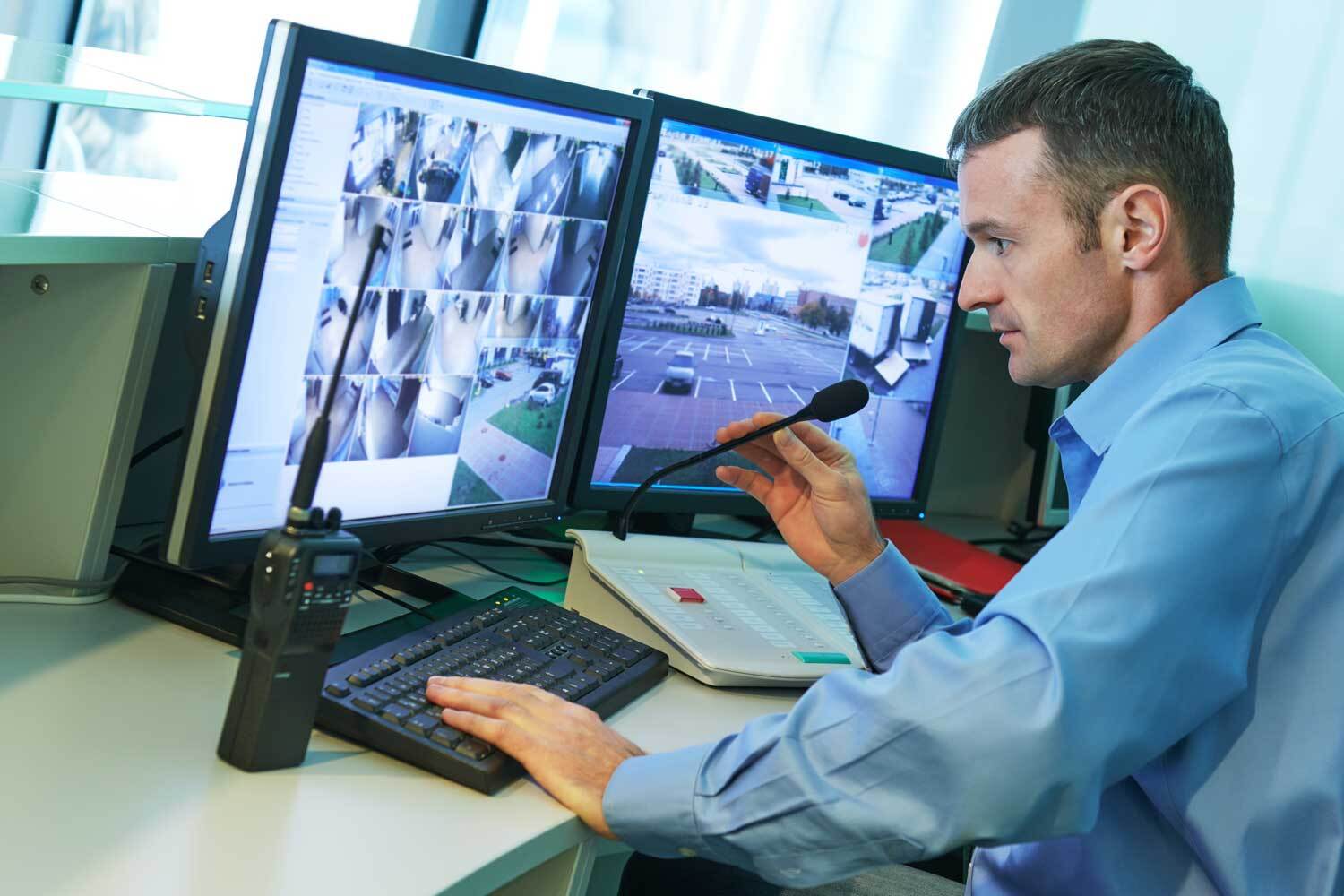
Earlier, we said that we’d talk about how other tools can be paired with motion activated security cameras, and this is where the real difference is made. On their own, motion cameras offer efficiency and deterrence. But when combined with trained oversight and modern AI capabilities, they become part of a truly reliable security system.
AI-capable cameras go beyond simple motion detection. Instead of triggering every time a shadow passes or a cat wanders across a lot, they can distinguish between harmless activity and a legitimate threat. That means fewer false alarms and more accurate alerts. Businesses save time, reduce frustration, and ensure that the events flagged are the ones that really matter.
Layer on virtual guard services, and the equation changes even more. Pro-Vigil’s trained professionals monitor feeds in real time, ready to verify suspicious behavior and respond immediately. Instead of just capturing video for later review, your cameras become an active defense system.
In short, motion activated security cameras are a piece of the puzzle; they’re just not the only piece you need. To secure your property against real risks, you need a holistic approach. Pro-Vigil’s blend of smart cameras and live monitoring provides exactly that, turning basic surveillance into proactive protection.