Quick Answer & Key Takeaways:
The industries that benefit most from AI-capable security cameras are those with high-value assets, limited on-site staffing, and extended periods without human presence like construction sites, car dealerships, or vacant properties. In each case, AI closes the gap between when a threat develops and when anyone notices, enabling true real-time deterrence.
- AI-capable cameras do more than just record; they classify, filter, and help operators respond in real time
- The industries that benefit most are those with high-value assets, and limited staffing – meaning extended periods of no human presence on-site
- Industries like construction, car dealerships, warehouses, solar farms, or self-storage all share a common vulnerability in the gap between when a threat develops and when anyone notices
- AI closes the gap by surfacing behavioral patterns, filtering false alarms, and enabling virtual guards to act before a crime is completed rather than after
For six years, Pro-Vigil has tracked how business leaders think about physical security through our annual State of Security report. In that time, no single metric has shifted as dramatically as confidence in AI as a security tool. In our 2026 State of Security report, confidence in AI jumped 25 points in a single year – by far the largest shift we’ve recorded since we started asking the question.
The reason isn’t hard to find. AI-capable cameras are doing far more than just record footage. AI algorithms are classifying and filtering – and helping law enforcement respond. They’re turning passive footage acquisition into active deterrence. However, the benefit isn’t evenly distributed. Some environments get dramatically more value from AI than others. These are the seven industries where you’ll get the biggest gains from AI-capable security cameras.
1. Construction Sites
Construction is the clearest use case, and the vertical we know best. Many construction sites are large, layouts shift – sometimes dramatically – between phases, and with valuable materials and equipment left unattended, after-hours risk is high when no personnel are on-site. Standard cameras can’t tell a delivery truck from a trespasser circling the perimeter at 3 in the morning. AI can, and it helps virtual guards act on that distinction in seconds.
One thing years of designing construction site security layouts has taught us: Placement is everything. Our “Assets not Asphalt” principle means pointing cameras at equipment, materials, and access points rather than street-facing views – after all, AI filtering is only as good as what it’s actually looking at.
For multi-phase projects specifically, where layouts change and camera positions need to follow, our guide to phased construction security covers what that looks like in practice.
2. Car Dealerships
Large open lots, high-value inventory, and increasingly organized theft rings targeting things like catalytic converters and keyless entry systems make car dealerships an industry that needs proper security yesterday. One thing that helps quick response times – since experienced thieves can steal a catalytic converter startlingly quickly – is detecting suspicious behavior before it becomes a real threat. AI cameras track movement patterns and flag loitering across a lot rather than waiting for a perimeter alarm to trigger.
Dealerships are one of Pro-Vigil’s primary verticals, and for good reason. Of the 27,000 crimes we prevented in 2025, a significant portion happened on dealer lots – and they were stopped before they started, rather than just documented after the fact.
3. Warehouses and Logistics
The specific challenge in warehouse environments isn’t detecting activity. It’s that in normal operating environments, there’s plenty of normal activity to go around. Warehouses and logistics hubs have a tremendous amount of legitimate activity happening constantly: moving forklifts, loading dock traffic, shift changes, deliveries, all around the clock. Without an AI layer, a motion detection-based system would generate so much noise it would be practically unmonitorable. Virtual guards end up chasing ghosts while the real threat slips through.
AI is what makes the signal findable. It distinguishes an authorized worker running a late shift from someone who has no business being in a restricted zone in the dead of night, and it does it in real time, before anything has been taken.
4. Scrap Yards and Recycling Centers
Experienced metal thieves don’t operate impulsively – and with metal and materials prices skyrocketing, they’re in search of a good payout. A skilled thief knows how to case a yard first, sometimes over multiple visits, all while cataloguing inventory, mapping layouts, and identifying camera blind spots before striking. Standard cameras won’t notice a thing – after all, they never set foot within the perimeter – but AI cameras catch the pattern developing.
Recurring unrecognized individuals, unusual loitering near high-value stockpiles, or vehicles that appear twice in a week with no apparent business purpose are the signals that scrap yard security needs to surface. A DVR blindly recording footage won’t help with that; an AI-capable camera will.
5. Solar Farms and Energy Infrastructure
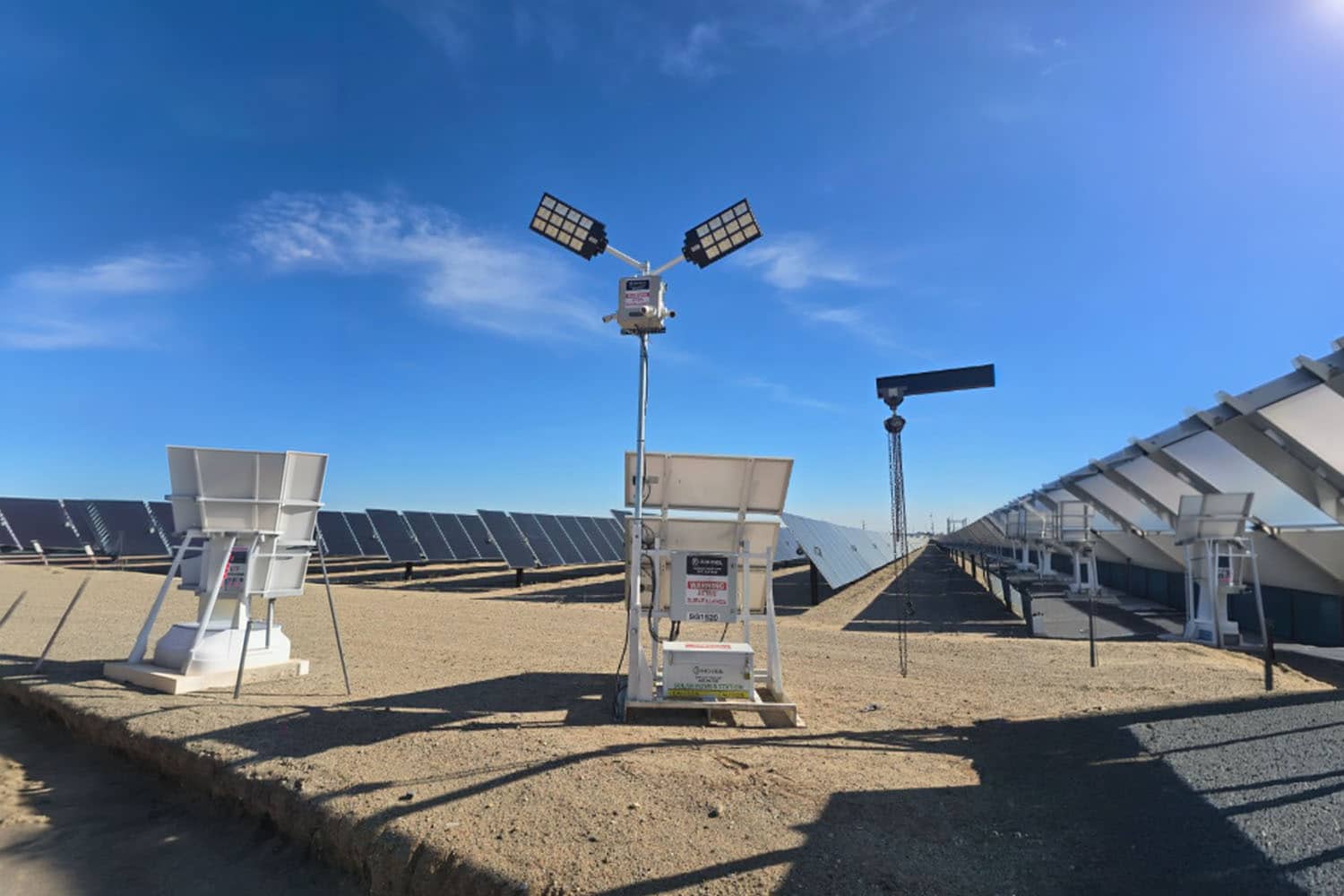
Three factors that make a business particularly vulnerable to theft are remote locations, minimal staffing, and equipment that’s expensive and slow to replace. Solar farms have all three, which makes them a high-value target and a genuinely difficult environment to monitor.
The false alarm problem here is severe. You might think that so far away from civilization, trespassers would be easy to spot, but the reverse is actually more likely. Outdoor remote sites generate constant environmental motion events, like wildlife, vegetation, weather, or changing light conditions, that make traditional monitoring impractical. Without AI filtering:
- Every gust of wind through a field is a potential alert
- Every animal crossing the perimeter triggers a notification
- Operators spend the night investigating nothing, reducing morale and increasing the risk that they’ll start dismissing real threats as fake ones
Environmental triggers are among the top causes of alarm fatigue, meaning that AI filtering isn’t just an upgrade for solar sites; rather, it’s what makes true real-time monitoring possible at all.
6. Self-Storage Facilities
A high unit count with 24/7 tenant access and minimal onsite staff is a security nightmare. A tenant accessing their unit at midnight is completely normal. Someone moving methodically along a row of units trying locks is not. Without a pair of real human eyes glued to a monitor at all times – a recipe for fatigue for even the most iron-willed security guard – traditional surveillance systems are unlikely to spot the difference in time.
AI solves this issue and makes securing self-storage facilities with remote virtual guards far more feasible. Pro-Vigil has been protecting self-storage facilities long enough to know that a single prevented break-in typically covers months of monitoring costs.
7. Vacant Properties and Commercial Real Estate
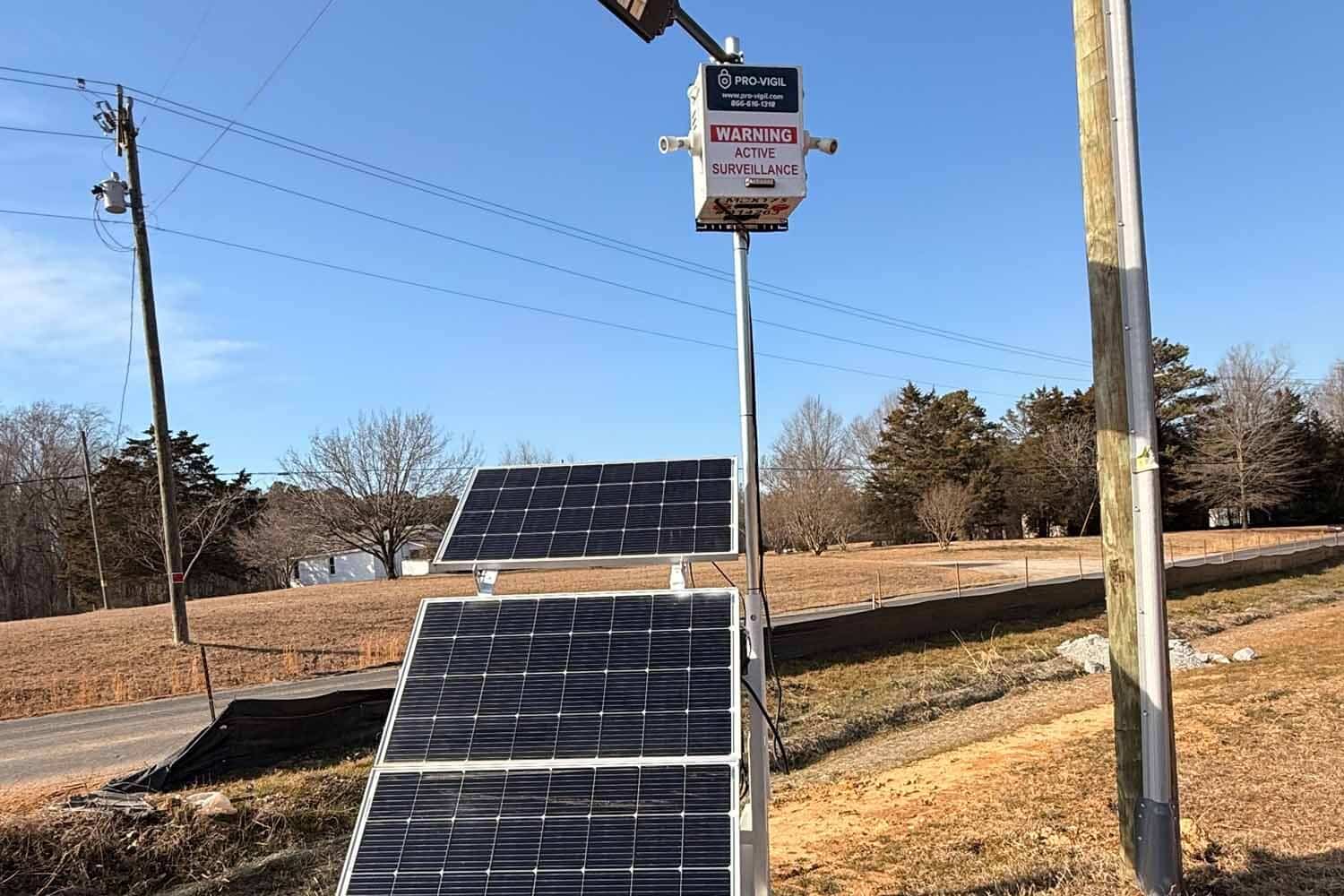
You may have noticed a trend in this blog – the sorts of industries that are vulnerable to theft and vandalism, and therefore most in need of advanced AI-capable surveillance systems, are ones with valuable property or material that goes unattended for long periods of time. Vacant properties are no exception, and depending on the reason for the vacancy, can be left unmonitored by real human beings for the longest duration of everything we’ve discussed so far.
Things like trespassing, copper theft, unauthorized dumping, or arson all happen on properties that look empty and unprotected because they are.
AI cameras change that equation entirely. Pro-Vigil’s 97% first-attempt deterrence rate is perhaps most applicable here: deterrence only works if the system identifies a real threat fast enough to intervene before the damage is done. Recorded footage of a completed crime doesn’t un-strip the copper wiring.
Want to learn more? Our vacant commercial property guide covers what a well-designed monitoring setup looks like for properties between tenants.
The Right Tool for High-Stakes Environments
The industries on this list aren’t random. As we mentioned, they all share a common profile: valuable assets and extended windows of time when nobody’s watching. If these businesses sound like yours, then you should know that the difference between a standard camera and an AI-capable one is no longer a technical distinction; it’s now a financial one.
Pro-Vigil has spent nearly two decades protecting businesses across all seven of these verticals (and beyond). The pattern we see consistently is that the clients who get the most value from remote video monitoring aren’t just the ones with the best cameras – rather, they’re the ones whose systems are designed around how their specific property actually gets targeted. That starts with a conversation.
Get a free quote or explore Pro-Vigil’s AI security capabilities to see what intelligent monitoring could look like for your site.
AI-Capable Cameras and Industry: FAQs