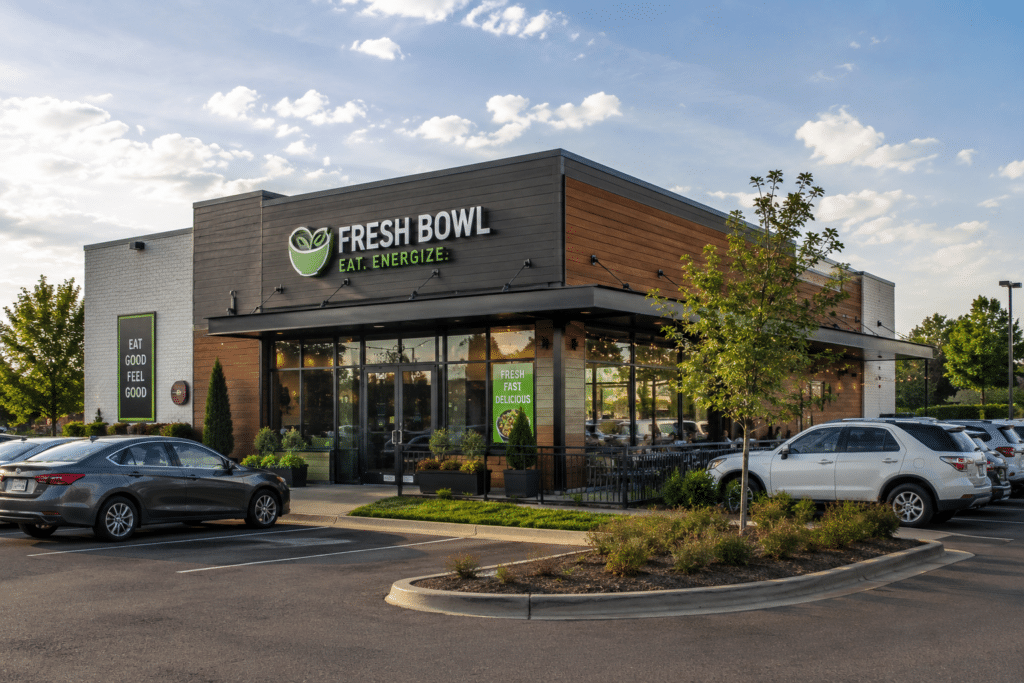
Restaurants face unique security challenges after closing time. Cash drawers have been emptied, employees have gone home, and parking lots are largely vacant. Unfortunately, that’s exactly when many crimes occur.
While many restaurants rely on cameras that record overnight activity, footage alone doesn’t stop a break-in. Remote video monitoring detects suspicious activity, and a monitoring agent responds when something unusual occurs, helping deter criminals before theft or vandalism impacts the business.
For restaurants, preventing even one overnight incident can mean avoiding thousands of dollars in repairs, lost inventory, and unexpected closures.
Restaurant Crime Often Costs More Than What’s Stolen
One of the biggest misconceptions about restaurant crime is that thieves are only after cash. In many cases, the damage they cause far exceeds the value of what they take.
Recent examples include:
- Las Vegas: Police investigated a burglary spree that targeted at least 10 restaurants and lounges over several weeks, illustrating how repeat offenders often target multiple businesses in the same area.
- Chicago: One restaurant suffered approximately $3,000 in property damage while thieves stole just $9.30 from the cash register.
- California: A restaurant burglary resulted in about $200 in stolen cash, but more than $5,000 in property damage after suspects forced entry and ransacked the business.
But acts of vandalism can force unexpected closures and interrupt operations just as severely. In one example, a Sacramento restaurant experienced burglary, vandalism, and fire damage that forced the business to close while repairs were completed.
These incidents demonstrate an important reality: for many restaurants, repairing doors, windows, and equipment is often far more expensive than replacing the money or property that was stolen.
Restaurants Are Also Targets for Infrastructure Theft
Not every criminal is looking for cash. Increasingly, thieves are targeting the infrastructure that keeps restaurants operating.
Examples include:
- Copper piping stolen from a Colorado restaurant’s refrigeration system caused more than $100,000 in damage, forcing significant repairs.
- In San Antonio, copper thieves stole electrical equipment from a shopping center, leaving businesses, including a restaurant, without power for more than a week. Restaurants lost customers, food inventory, and revenue while still facing ongoing operating expenses.
Unlike a cash theft, infrastructure damage can prevent a restaurant from opening altogether.
Why Traditional Security Cameras Aren’t Enough
Many restaurants already have CCTV cameras installed.
These systems provide valuable recorded footage, but they typically do not stop crime while it is happening. If suspicious activity occurs overnight:
- Cameras record the incident.
- No one intervenes.
- The damage is discovered when employees arrive the next morning.
By then, the business is left managing repairs, insurance claims, and operational disruption. Recording an incident is valuable for investigations, but preventing the incident is far more valuable.
How Remote Video Monitoring Helps Protect Restaurants
Remote video monitoring adds an active layer of protection that works while the restaurant is closed. AI-enabled cameras watch key areas such as:
- Customer entrances
- Outdoor dining areas
- Rear delivery doors
- Dumpster enclosures
- Parking lots
- Rooftop equipment and utility areas
When suspicious activity is detected, a monitoring agent immediately reviews the situation and can respond using:
- Loud sirens or audio deterrents
- Security alarms or flashing lights
- Escalation to law enforcement when necessary
Because individuals realize the property is actively protected, many leave before damage or theft occurs. At the same time, the system records and stores high-definition footage that can support investigations and insurance claims if an incident does occur.
Protecting More Than the Building
Restaurant security extends beyond protecting the dining room.
An effective after-hours security strategy also helps protect:
- Outdoor patios and seating areas
- Walk-in coolers and refrigeration equipment
- HVAC systems and utility infrastructure
- Employee entrances
- Customer parking lots
- Dumpster and loading areas that often attract illegal dumping or trespassing
By protecting the entire property, restaurants reduce the likelihood that a single overnight incident disrupts operations the following day.
A Proactive Approach to Restaurant Security
Restaurants operate on tight margins, and unexpected security incidents can quickly become expensive. The cost of repairs, spoiled inventory, business interruption, and lost customer confidence often exceeds the value of what was actually stolen.
Remote video monitoring provides a proactive solution by combining:
- AI-enabled cameras that detect suspicious activity
- Monitoring agents who respond in real time
- Audio and visual deterrents that help stop incidents before they escalate
- Recorded footage that supports investigations and insurance claims
Companies such as Pro-Vigil help restaurants move beyond simply recording crime by actively helping prevent it, giving owners greater confidence that someone is protecting their business long after the doors have closed.