Quick Answer & Key Takeaways
Yes, extreme heat can affect security systems. Sustained high temperatures can throttle image quality, reduce battery and solar-charging efficiency, and stress equipment sealed inside hot housings. Well-designed commercial systems are built to handle these conditions, so most heat-related disruptions are preventable with proactive equipment monitoring rather than a reactive fix after a heat wave has already caused an outage.
- 2026 has already brought back-to-back major U.S. heat waves: A historic heat dome around July 4 pushed temperatures into the 100s across two-thirds of the country, tying or breaking nearly 150 daily temperature records, followed by another significant heat wave in mid-July.
- Lithium-ion batteries, which power most solar security cameras, typically charge best between roughly 32° and 113°F, and can lose charging efficiency or shut down entirely above that range.
- Direct sun exposure on a camera housing can push the internal temperature well above the surrounding air temperature, which is often the real culprit behind heat-related camera problems, rather than the ambient heat itself.
- Common heat-related symptoms include blurry or pixelated footage, dropped connectivity, and automatic thermal shutdowns meant to protect the hardware.
- Pro-Vigil combines cloud-based health monitoring with edge diagnostics to catch equipment issues, heat-related or otherwise, before they become an outage a customer notices.
Why Summer Heat Is a Real Concern for Security Systems
Like most electronics, a security camera generates its own heat just from normal operation; the processor, image sensor, and (where applicable) the battery all run warmer under load. On a hot day, that internal heat stacks on top of the ambient temperature and whatever heat the housing absorbs from direct sunlight, which can push the inside of a camera well above the temperature you’d see on a weather app.
2026 has given security systems plenty of opportunity to be tested on this front.
A historic heat dome settled over the eastern U.S. around the Fourth of July, tying or breaking 148 daily temperature records between June 30 and July 5 and pushing places like Atlantic City, New Jersey well above 100°F. Another significant heat wave followed in mid-July. For outdoor equipment, especially solar-powered units running on lithium-ion batteries, sustained heat is a multi-day stress test.
“We have a combination of a central cloud-based health management systems and edge software agents. These coordinate automated monitoring of the devices, diagnosis, and self-healing.” — Satish Raj, Chief Technology Officer at Pro-Vigil
What Extreme Heat Does to Your Security System
Heat rarely takes a camera offline instantly in one dramatic failure. More commonly, heat stress manifests as a handful of smaller symptoms that add up and get more frequent over time, like:
- Blurry or pixelated footage as heat affects the image sensor’s ability to process video cleanly.
- Dropped connectivity, particularly on wireless or cellular-connected units, as heat stresses radio components.
- Automatic thermal shutdowns, which are a protective measure that powers a device down before internal heat causes permanent damage – more commonly seen when you’ve left your smartphone baking in the sun.
- Reduced battery and solar-charging efficiency, since lithium-ion batteries charge less effectively, or not at all, once they get too hot.
- Accelerated wear on cables, seals, and housings from repeated daily heating and cooling cycles over a long summer.
Pro-Vigil Tip
When we see business owners having heat-related issues with their security cameras, it usually has more to do with the mounting than it does the camera itself. A unit mounted flush against a sun-baked wall or metal surface runs noticeably hotter than the same unit with a few inches of airflow behind it. Shade and ventilation solve more problems than any hardware upgrade.
Are Fixed vs. Mobile Security Systems More Vulnerable to Heat?
Fixed Security Systems
Fixed security systems are hardwired into a facility and typically draw power from the building itself, with equipment like routers, switches, and storage kept indoors in a network room. The lack of a battery means that fixed security cameras have (at least) one less internal component generating heat. Fixed security systems are also more likely to be mounted in shady spots like under overhangs.
For fixed security systems, the biggest risk of heat stress is actually the network room where the software is kept running. Without climate control, a poorly ventilated equipment closet with the equivalent of a powerful desktop PC running around the clock can run significantly hotter than the outdoor temperature, stressing gear that was never designed to sit in a hot box all summer.
Mobile Security Systems
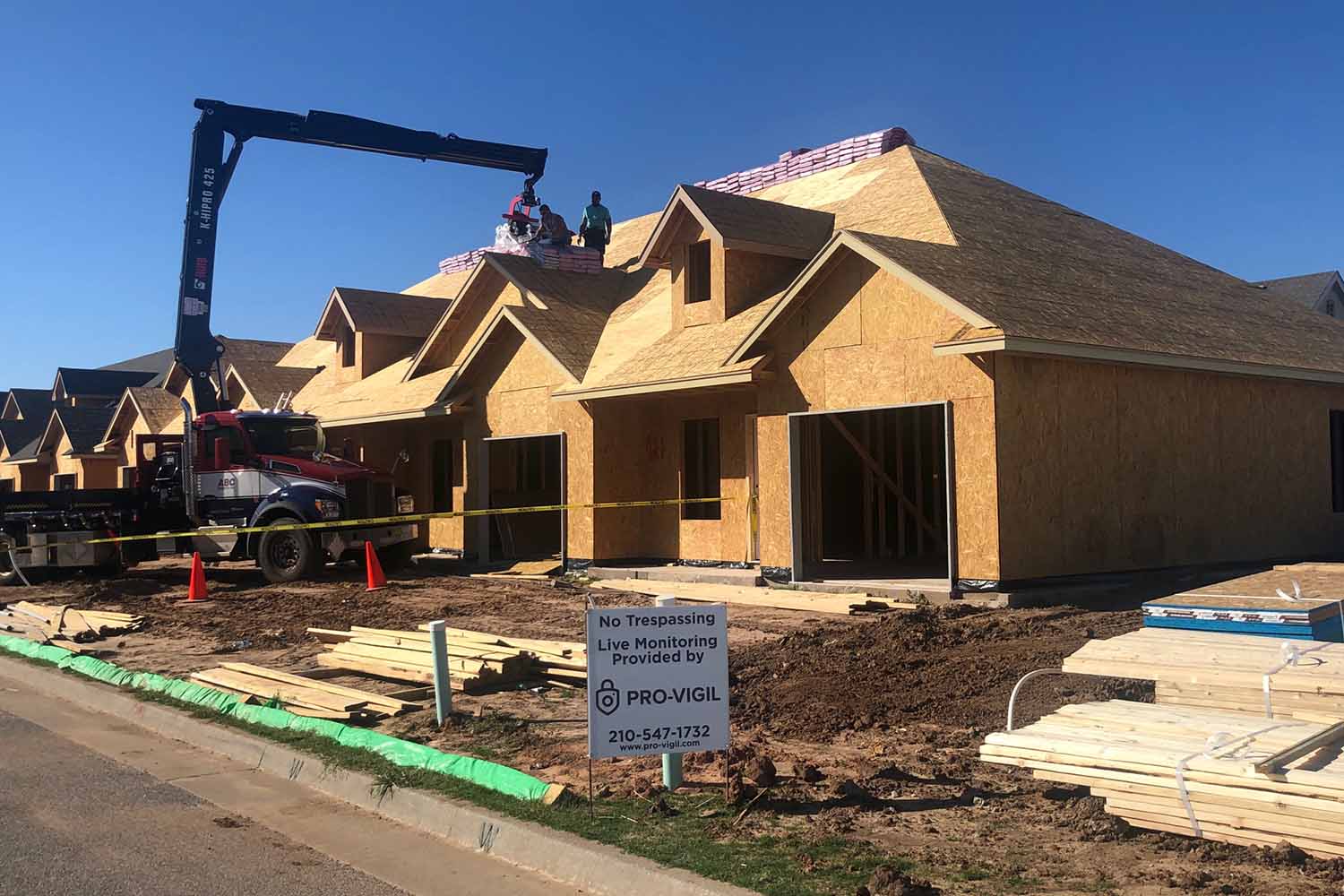
Solar-powered mobile units are built for sites without reliable power or Wi-Fi, so they run on solar panels and battery packs with cellular connectivity – and it’s all fully exposed to the elements. That makes them more directly exposed to both ambient heat and direct sun than fixed equipment. This puts extra importance on battery health, since charging performance is one of the first things to suffer in extreme heat.
Overall, mobile security cameras are far more vulnerable to heat than fixed cameras are, but you really do need to make sure that wherever you’re running the equipment through is either ventilated well enough or in climate control, so you don’t need to worry about heat stress there.
How to Protect Your Security System From a Heat Wave
Some of these can be done when a heat wave is about to hit, but for the most part, proper design during the setup phase of a commercial security system will save you quite a bit of pain down the line.
- Add shade where possible. If the camera isn’t under an overhang or eave, something like a simple sunshade meaningfully lowers a housing’s internal temperature compared to direct sun exposure. Of course, make sure not to black the camera’s view or solar panels!
- Leave room for airflow. Avoid mounting units flush against brick, metal, or other surfaces that absorb and radiate heat.
- Monitor system health remotely. Don’t wait until a camera has started to suffer charging issues or other problems; most heat-related failures show early warning signs before a full outage.
- Keep firmware and software current. Outdated configurations are less efficient and therefore more likely to struggle under thermal stress.
- Plan for seasonal repositioning on mobile units. This is especially on multi-month projects where the sun’s angle and shade patterns shift over a summer.
- Know your troubleshooting steps before a heat wave hits. You should make sure a dropped connection doesn’t turn into hours of downtime. Who is responsible for monitoring and ensuring camera health? Ideally, it should be your security system provider – but if you’re running a DIY setup, this needs to be the responsibility of a member of your team.
Pro-Vigil Tip
If a unit does drop offline during a heat event, the fix is often simpler than it looks: check the power connection, power-cycle the unit, and inspect for obvious weather-related damage before assuming a hardware failure. For Pro-Vigil customers, our Mobile Units Troubleshooting Guide walks through these steps in order, including what to do if a GFCI outlet has tripped.
Keep Your Property Secure Through Every Heat Wave With Pro-Vigil
Rather than relying on someone noticing a camera feed has gone dark or suddenly become overly pixelated, Pro-Vigil’s IP Health Monitoring checks the status of mobile and fixed equipment on an ongoing basis, pairing cloud-based health management with edge-level diagnostics so problems, including heat-related ones, get caught and addressed before they interrupt coverage.
Our combination of automated monitoring and human oversight is designed to keep a system’s uptime high even during the kind of sustained, multi-day heat events 2026 has already produced – twice.
Extreme heat is a real operating condition for outdoor security equipment and it’s one more reason equipment health deserves the same attention as the footage it captures. Pro-Vigil is headquartered in San Antonio, one of the hottest major metros in the country, so extreme-heat performance is way beyond theoretical for us; it’s a baseline requirement for equipment we deploy across the Sun Belt and beyond.
Pro-Vigil can help businesses evaluate how their current camera placement, power setup, and monitoring approach hold up under sustained heat, and where a proactive health-monitoring plan would catch problems before they become outages.
Extreme Heat and Security Systems: FAQs
It can, though outright damage is less common than temporary performance issues. Sustained heat is more likely to cause thermal shutdowns, reduced battery charging efficiency, and connectivity drops than it is to cause permanent hardware failure, especially if the unit is well-mounted and ventilated.
Somewhat, because their lithium-ion batteries lose charging efficiency at high temperatures. Wired systems avoid the battery issue but can still be affected by heat buildup.
The most common early signs of an overheating security camera include:
- Consistently blurry or pixelated footage
- Dropped Wi-Fi or cellular connections
- Poor battery charging efficiency
- Unexpected reboots
In all likelihood, you’ll get some or all of these before a full thermal shutdown.
Start with the basics: check the power connection, power-cycle the unit, and look for visible weather-related damage before assuming the hardware has failed. Most outages during a heat wave trace back to power or connectivity, rather than permanent equipment damage.