Many businesses install security cameras hoping they will stop theft, vandalism, or trespassing. While cameras can discourage some opportunistic behavior, traditional CCTV systems typically record crimes rather than prevent them.
Crime prevention requires active monitoring and real-time intervention, which is why many organizations are shifting toward remote video monitoring solutions that combine AI-enabled cameras with trained security professionals.
Businesses looking to understand the difference between passive surveillance and proactive security can learn more about how remote video monitoring works and why it has become a common approach for protecting properties.
What Traditional CCTV Cameras Actually Do
CCTV cameras provide visibility into what is happening on a property. They are commonly installed to record entrances, parking lots, storage areas, and building perimeters.
Security cameras can record:
- Entry points and gates
- Parking lots and walkways
- Loading docks
- Equipment or storage areas
Modern systems may also include motion detection or artificial intelligence that flags unusual activity. But most CCTV systems still aren’t watched in real time. Instead, they record events that can later be reviewed if an incident occurs and someone takes the time to review the video.
In these situations, cameras can provide valuable evidence for investigations, but they do not stop the crime itself.
Why CCTV Cameras Alone Don’t Stop Crime
Many incidents occur after business hours when properties are unattended. If someone enters a site at night and no one is actively monitoring the cameras, the activity may go unnoticed until the next morning. At that point, the business has footage of the event, but the damage has already been done.
Traditional surveillance systems are therefore reactive. They help document incidents but often cannot intervene while a situation is unfolding. This is why many organizations are moving beyond passive camera systems toward proactive monitoring strategies, such as remote video monitoring surveillance by Pro-Vigil.
How Remote Video Monitoring Prevents Crime
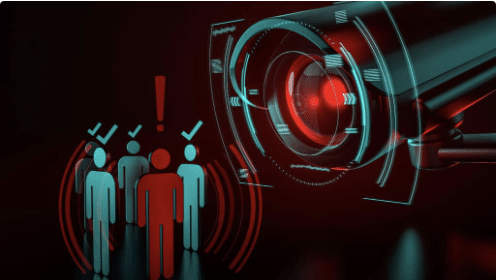
Remote video monitoring adds an active response layer to traditional camera systems. With this approach, AI-enabled cameras detect unusual activity such as:
- A person entering a property after hours
- A vehicle approaching a restricted area
- Movement in equipment yards or storage areas overnight
When this occurs, the system alerts a monitoring center where trained professionals review the situation immediately.
Security teams can then intervene in real time using audio and visual deterrents such as:
- Live audio warnings over loudspeakers
- Flashing lights or sirens
- Escalation to law enforcement when necessary
Because individuals realize someone is actively watching and responding, many leave the property immediately. This allows businesses to stop incidents while they are happening instead of reviewing footage after the fact.
Remote Video Monitoring vs Traditional CCTV
Both CCTV and remote video monitoring use cameras, but they serve different purposes.
Traditional CCTV systems focus on:
- Documenting activity on a property
- Recording evidence of incidents
- Providing footage for investigations
Remote video monitoring focuses on:
- Detecting suspicious activity in real time
- Deterring intruders using audio and visual warnings
- Intervening before incidents escalate
- Escalating situations to authorities when necessary
- Providing high-definition to authorities to build their case
Instead of discovering theft or vandalism the next day, monitoring teams can detect suspicious activity and intervene immediately.
As explained in the guide to remote video monitoring, this proactive approach combines AI-enabled cameras with live monitoring professionals who can intervene using audio warnings, lights, and escalation to authorities.
Why Businesses Are Moving Toward Proactive Remote Video Monitoring
Businesses are increasingly adopting remote video monitoring because it shifts security from documentation to prevention.
Remote monitoring allows organizations to:
- Detect suspicious activity as it occurs
- Deter intruders using audio and visual warnings
- Monitor large areas simultaneously
- Escalate incidents to law enforcement when necessary
For example, Pro-Vigil uses AI-enabled cameras combined with 24/7 monitoring teams to deter crime before it impacts a customer’s property. In 2025 alone, remote video monitoring from Pro-Vigil prevented more than 27,000 crimes for customers. This ability to intervene quickly is what allows remote video monitoring to prevent incidents rather than simply record them.
A More Effective Way to Prevent Crime
Security cameras still play an important role in physical security strategies. However, relying on CCTV cameras alone may leave businesses reacting to incidents after they occur.
Remote video monitoring adds the ability to detect suspicious activity and respond immediately, helping stop theft, vandalism, trespassing, and other after-hours incidents.
Businesses looking to move from passive surveillance to proactive protection can work with Pro-Vigil to implement remote video monitoring that detects suspicious activity and enables real-time intervention.