Remote video monitoring can reduce insurance costs and support faster claims resolution by demonstrating proactive risk management and providing verified, timestamped video documentation of every incident. Many insurers view active monitoring as a meaningful risk reduction measure, and some industries, particularly construction and cannabis, are beginning to require documented security measures including video monitoring as a condition of coverage.
How Remote Video Monitoring Reduces Insurance Costs and Claims
For many businesses, security is not just about protecting property. It is also about managing risk, controlling costs, and maintaining insurability.
As theft, vandalism, and property damage continue to impact industries like construction, automotive, and commercial real estate, insurers are paying closer attention to how properties are protected. In some cases, security measures directly influence whether a business can obtain coverage at all.
Remote video monitoring has become an important part of that conversation because it helps reduce incidents, improve documentation, and support faster claims resolution.
Why Insurance Carriers Care About Security
Insurance providers evaluate risk based on the likelihood that an incident will occur and how severe the impact may be. Properties that are more likely to experience theft, vandalism, or damage are typically considered higher risk. This can lead to:
- Higher insurance premiums
- Coverage limitations
- Increased deductibles
- Difficulty obtaining coverage
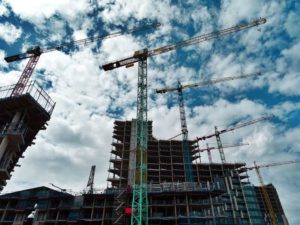
For industries such as construction, where tools, materials, and equipment are frequently left on site, risk exposure can be especially high. Because of this, insurers increasingly look for proactive security measures that help reduce the likelihood of a claim.
Fewer Incidents Can Mean Fewer Claims
One of the most direct ways remote video monitoring impacts insurance is by helping prevent incidents before they occur. With remote video monitoring, an AI system flags unusual activity and a trained monitoring agent responds immediately. This allows monitoring teams to intervene early using deterrents such as:
- Loud sirens or audio deterrents
- Security alarms or flashing lights
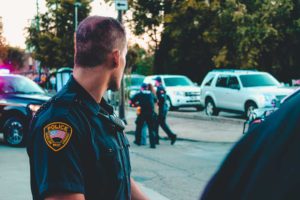
- Escalation to law enforcement when necessary
Because many incidents are stopped before theft or damage occurs, businesses may experience:
- Fewer theft-related losses
- Reduced vandalism and property damage
- Fewer disruptions to operations
Over time, fewer incidents can translate into fewer insurance claims, which can improve a company’s overall risk profile.
Faster Claims Resolution With Recorded Footage
Even when incidents do occur, having access to recorded video can make a significant difference. Remote video monitoring systems not only actively deter crime, but also record and store high-definition footage, which can be used to:
- Verify what happened during an incident
- Provide evidence to insurance adjusters
- Support law enforcement investigations
- Reduce disputes about the cause of loss
Instead of relying on incomplete information or witness accounts, businesses can provide clear video evidence, which often helps speed up the claims process.
A Growing Requirement in Construction and High-Risk Industries
In some industries, remote video monitoring is no longer just a best practice. It is becoming a requirement. Certain insurance providers, including firms such as TRU Underwriting, are increasingly requiring builders to implement remote video monitoring before issuing or renewing coverage.
This shift reflects a broader trend. Insurers are recognizing that proactive monitoring helps reduce risk in environments where theft and vandalism are common. For contractors, this means that implementing remote video monitoring may not only help reduce losses, but also make it easier to secure or maintain insurance coverage.
Why This Matters for Dealerships and Commercial Properties
The same principles apply beyond construction.
Auto dealerships, commercial properties, and retail centers all face risks that can lead to insurance claims, including:
- Vehicle theft or damage
- Catalytic converter theft
- Break-ins and vandalism
- Property damage in parking areas
By reducing incidents and providing clear documentation when events occur, remote video monitoring can help businesses in these industries better manage risk and support their insurance requirements.
A Practical Way to Strengthen Risk Management
Insurance costs and coverage availability are increasingly tied to how well a property is protected. Remote video monitoring provides a proactive approach by combining:
- AI-enabled cameras that detect suspicious activity
- Trained monitoring agents who act the moment activity is flagged
- Deterrents that help prevent incidents before they escalate
- Recorded footage that supports investigations and claims
Companies such as Pro-Vigil help businesses reduce risk exposure by preventing incidents and providing the documentation needed when events occur.
For organizations looking to lower risk, improve insurability, and reduce the likelihood of claims, remote video monitoring has become an important part of a modern security strategy.