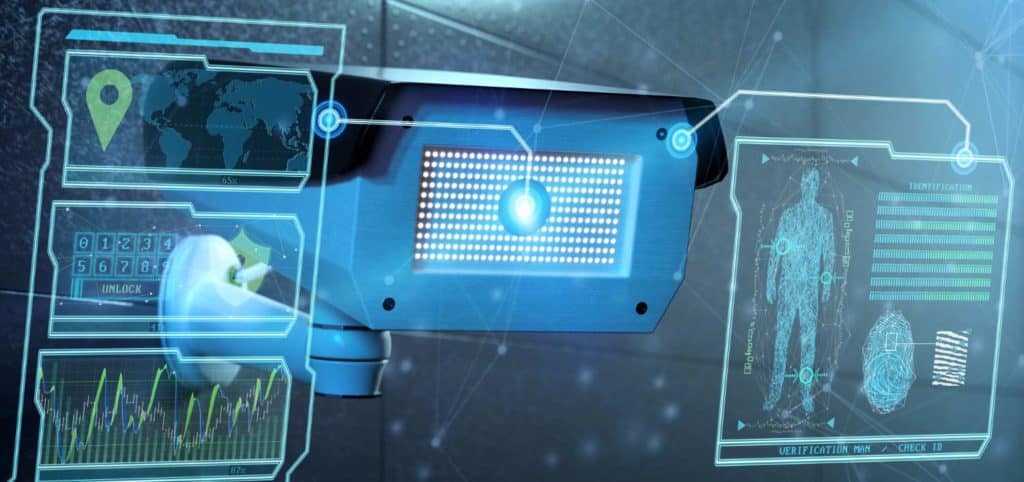
Understanding AI Video Analytics

Video surveillance analytics is a subset of computer vision, which, in turn, is a subfield of AI. It uses algorithms and machine learning techniques to automatically analyze, interpret, and extract valuable information from video data. Modern surveillance cameras feature AI video analytics to understand their environment, detect specific objects or events, and respond to predefined criteria. These cameras no longer merely capture images but actively process and interpret the visual information they record in real time.
There are currently three types of video analytics available:
- Fixed algorithm security video analytics focus on a specific behavior. For example, loitering in a restricted space.
- AI learning algorithm video surveillance analytics are the next evolution in smart cameras. These tools “learn” and change their activities according to past behaviors. For example, early generation software had more false alarms. Newer cameras can distinguish between a bag blowing across a parking lot and a person walking there.
- Facial recognition programs match a database image with who’s in the camera’s viewfinder. These programs are still under development, and their use is controversial. For example, there are privacy concerns and concerns that these tools alert security professionals more frequently to people of color.
Advanced video analytics gradually evolved over years of trial and error. Traditional video surveillance analytics review images after the fact. Security Infowatch says, “Now, analytics can adeptly process high-traffic and complex scenes, classifying objects quickly and efficiently. It’s becoming a predictive tool, alerting proactively to changed scenes with the ability to recognize patterns with improved granularity, diversity, and accuracy.”
Types of AI Video Analytics
The three main types of video analytics surveillance in use today can all be effective, but they all work differently.
|
Type |
How It Works |
Best For |
|
Fixed Algorithm |
Watches for one specific, predefined behavior, like loitering in a restricted zone |
Simple, well-defined risks |
|
AI Learning Algorithm |
Learns from past activity to reduce false positives over time |
Sites with a lot of legitimate background motion |
|
Facial Recognition |
Matches a face in frame against a known database |
Access control and watchlist identification |
Of the three, video analytics with facial recognition often draws the most scrutiny, since it involves identifying specific individuals instead of just general activity and is thus more of a public privacy risk; we’ll cover this more later.
Key Components of AI Video Analytics
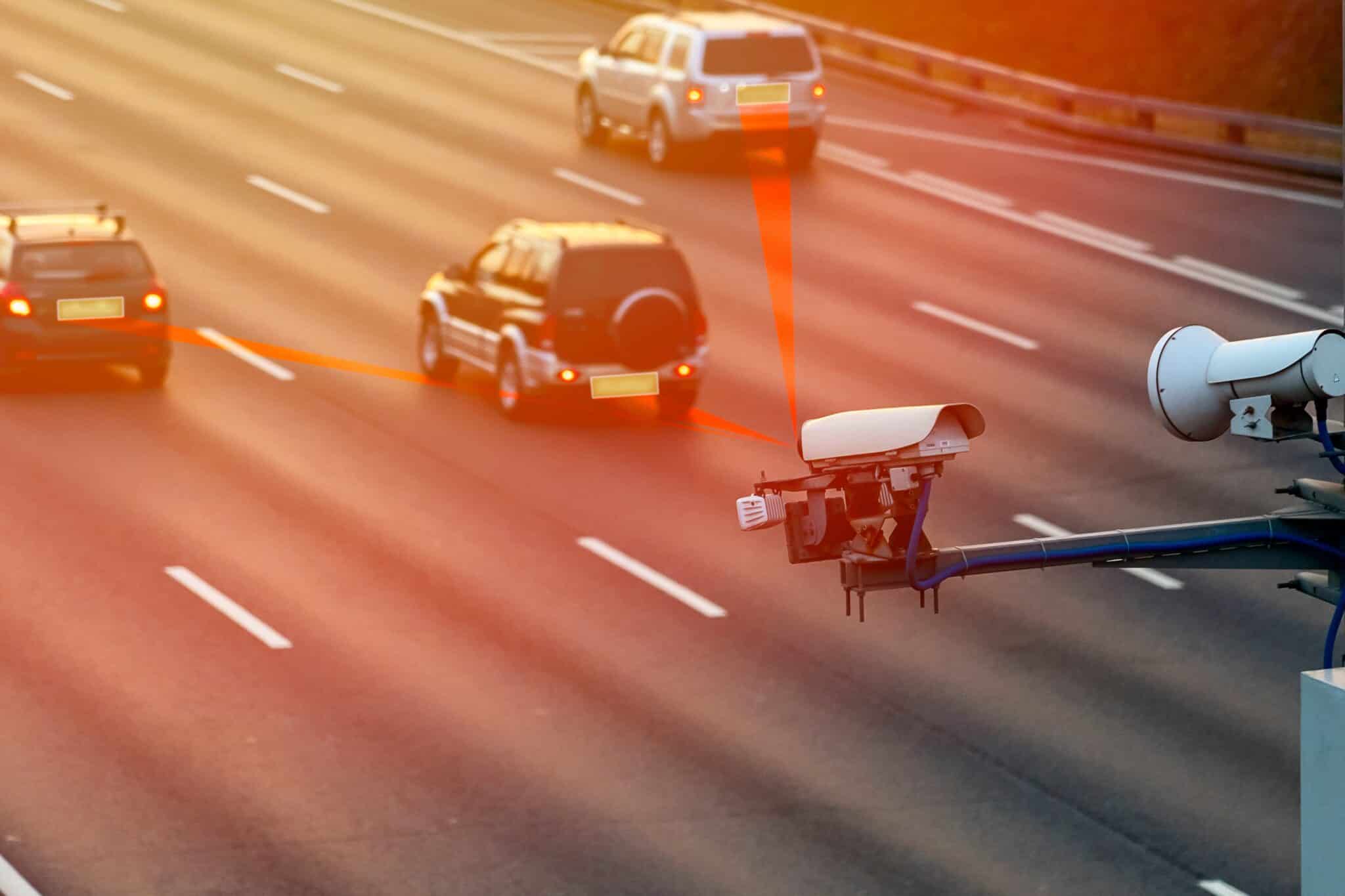
To better understand AI video analytics, it’s essential to grasp its core components:
- Object recognition: One of the fundamental features of AI video analytics is the capability to recognize and track objects within a video stream. These objects can be people, vehicles, animals, or even specific items of interest.
- Event detection: Security video analytics identify and classify events or actions in the video, such as intrusions, loitering, falling, and more.
- Behavior analysis: This software can track object movement and behavior over time. For instance, it can detect unusual behavior patterns like an object entering a restricted area at the wrong time of day.
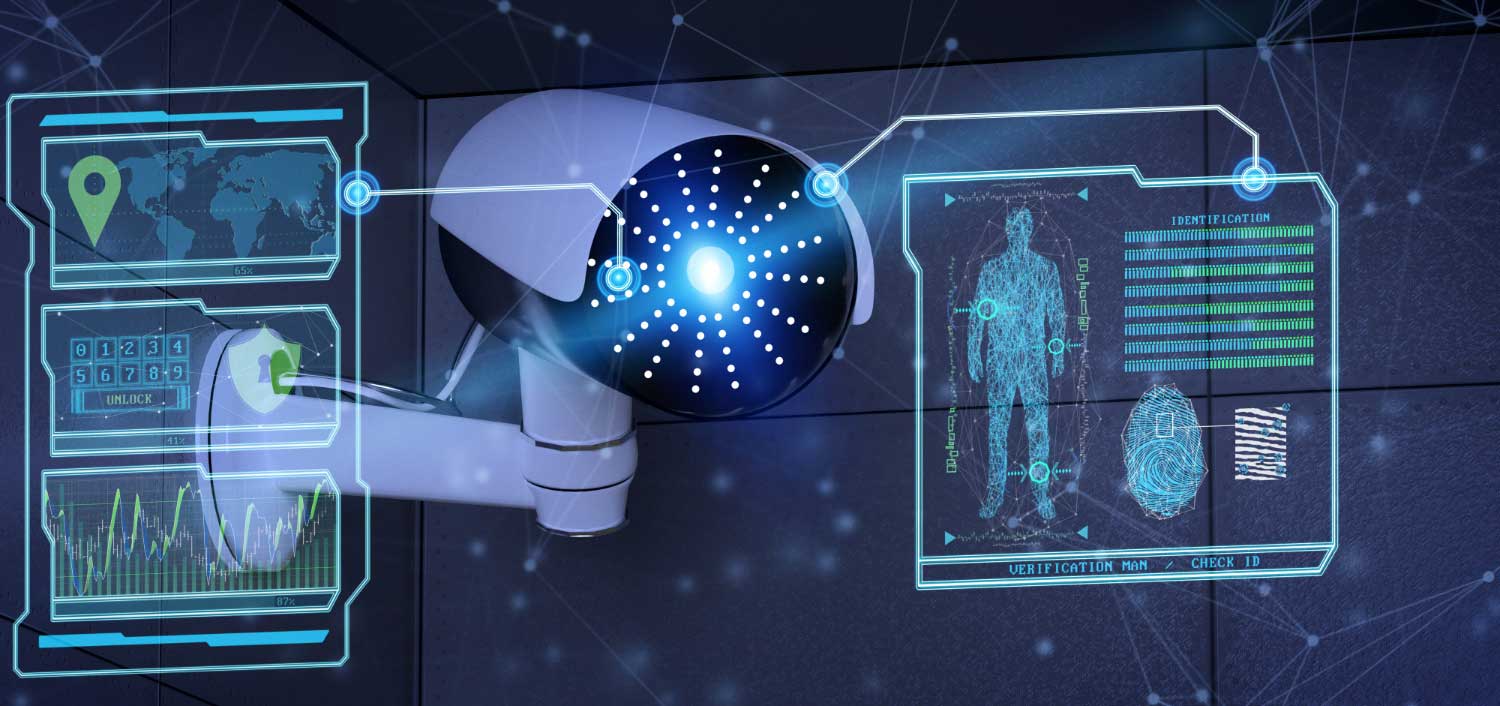
- Facial recognition: Some surveillance cameras have facial recognition technology. These features identify individuals against predefined databases.
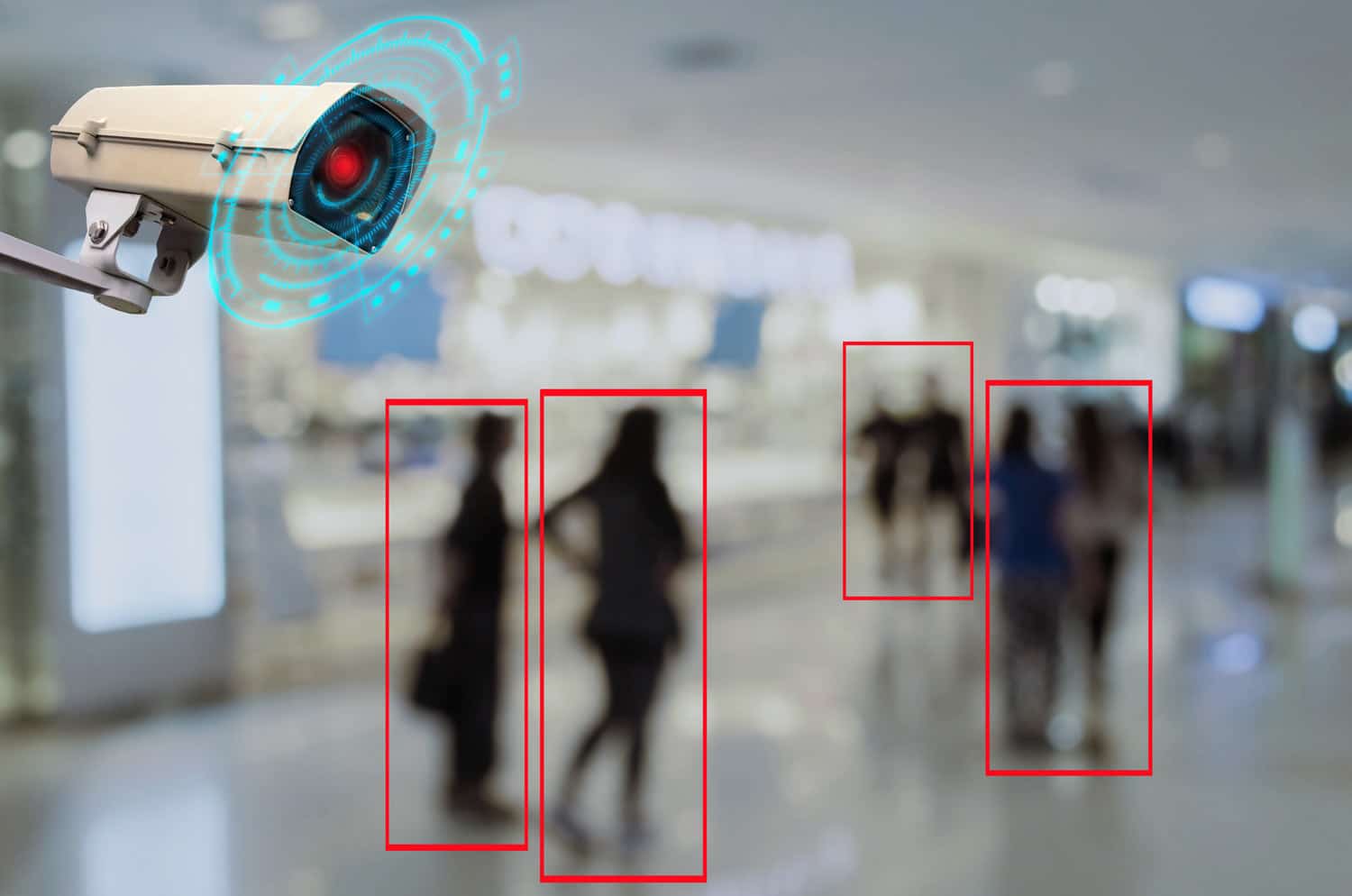
- License plate recognition: This advanced video analytics feature reads and recognizes vehicle license plates. This software is particularly useful in law enforcement and access control applications.
- Metadata generation: AI video analytics generate metadata with the video footage, providing tracking information about objects, events, and actions.
- Alerts and notifications: Advanced video analytics doesn’t just take note of what’s happening in the environment. At the onset of predefined conditions, the system reacts by triggering alarms, notifications, or other responses.
- Integration with other systems: AI video analytics melds with access control, alarms, and lighting to provide a comprehensive security solution.
How Does AI Video Analytics Work?
Every real-time AI video analytics surveillance system follows some version of the same pipeline:
Capture → Analyze → Detect → Classify → Alert → Respond
- Capture: The camera records the raw video feed continuously.
- Analyze: the system processes each frame, looking for the objects and patterns it’s been trained or configured to recognize.
- Detect: Something matching a relevant pattern (e.g., a person, a vehicle, or motion in a restricted zone) gets flagged.
- Classify: The system determines what it detected and how confident it is in that classification.
- Alert: A notification is sent to a security team, an identified individual, a monitoring center, or another response system.
- Respond: Someone (or something) acts on the alert. A human monitoring agent, for instance, can dispatch law enforcement, engage automated deterrents, and more.
AI Video Analytics vs. Traditional Video Surveillance
There’s no real difference here in camera hardware; the difference is what happens to the footage after it’s captured. As AI adoption grows across the security industry, the differences are only going to continue growing – and businesses without it will be increasingly at risk.
|
Traditional Video Surveillance |
AI Video Analytics |
|
|
What it does |
Records footage for later review |
Analyzes footage as it’s captured |
|
Response |
None built in; someone has to notice a problem first |
Can flag or trigger a response in real time |
|
Search |
Manual scrubbing through hours of video |
Search by object, behavior, or event |
|
Scalability |
Limited by how much footage a person can realistically watch |
Scales across many cameras simultaneously |
|
Best for |
Basic recordkeeping |
Active detection, investigation, and prevention |
Applications of AI Video Analytics
Security video analytics have many applications across different industries. The technology’s versatility makes it an asset for various video analytics use cases, enhancing security, improving operational efficiency, and enabling data-driven decision-making. Here are some notable video analytics examples:
- Security and Surveillance
The most obvious application of AI video analytics is in security and surveillance. Modern AI surveillance cameras monitor large areas, detect unauthorized intrusions, and notify security personnel in real time. They can also provide investigative forensic data by storing video footage with associated metadata. - Traffic Management
Video surveillance analytics are crucial in managing traffic and improving road safety. These systems monitor traffic flow, detect accidents or congestion, and manage traffic signals to optimize vehicle flow. License plate recognition works for toll collection, parking management, and law enforcement purposes, such as Amber Alerts. - Retail Analytics
Retailers use AI video analytics to gain insights into customer behavior and store operations. Cameras track customer movements, count foot traffic, and analyze in-store shopping patterns. This data can help retailers make informed decisions about store layout, product placement, and staffing. - Industrial and Manufacturing
In industrial settings, advanced video analytics enhance safety and efficiency. Cameras monitor equipment, detect machinery malfunctions and assess worker safety compliance. Manufacturers can use them for quality control and defect detection. - Smart Cities
Cities can use these tools to improve urban planning and public safety. Surveillance cameras with AI capabilities can monitor public spaces, analyze crowd behavior, and assist law enforcement in identifying and responding to incidents. Additionally, video analytics can optimize waste management, street lighting, and parking. - Healthcare
Hospitals and healthcare facilities use AI video analytics to enhance patient care and security. Cameras can monitor patient movements, detect falls, and ensure unauthorized individuals do not access restricted areas. Providers can also use facial recognition to provide secure access to medical records. - Education
In educational institutions, advanced video analytics improves campus security and safety. Cameras detect unauthorized individuals on school grounds and assist in identifying and responding to security threats. They can also monitor attendance and student behavior, aiding in the institution’s overall management. - Agriculture
In agriculture, AI video security can monitor crop health and identify issues such as pest infestations or drought stress. This technology helps farmers make timely decisions to improve crop yield and resource allocation across vast stretches of farmland.
These are just a few examples of the many applications of AI video analytics. The technology’s adaptability allows it to be integrated into various domains to address specific needs and challenges.
AI Analytics and Remote Video Monitoring
AI video analytics is powerful on its own, but it’s most effective paired with a live monitoring team rather than left to act alone. On its own, an analytics system can flag an event; remote video monitoring (RVM) helps turn that flag into real-time response. A trained human agent first verifies that the activity is genuine, then decides whether to trigger a deterrent, contact the property owner, notify law enforcement, or some combination of the above
This is the model behind Pro-Vigil’s own intelligent video analytics platform: AI does the first pass across every connected camera, and a trained monitoring agent verifies what it finds before anything happens. That combination avoids two potential pitfalls of security systems, either missing real threats or drowning a security team in false alarms triggered by an algorithm acting alone.
Benefits of AI Video Analytics
The adoption of advanced video security offers benefits across different sectors.
Enhanced Security
One of the most significant advantages of security video analytics is its ability to prevent and detect crime. Surveillance cameras equipped with AI can monitor large areas and respond in real time to security threats. This proactive approach helps prevent incidents, making it an invaluable tool for law enforcement, businesses, and private individuals.
Increased Operational Efficiency
Video analytics streamlines operations by automating tasks that would otherwise require human intervention. For instance, in retail, cameras can monitor inventory levels, and trigger reorders when products run low. In traffic management, they can optimize traffic flow and reduce congestion.
Data-Driven Decision-Making
The data generated by AI video analytics is a valuable resource for informed decision-making. Businesses and organizations can use the insights gathered from video data to optimize processes, improve customer experiences, and allocate resources more effectively.
Cost Savings
Surveillance video analytics leads to cost savings by automating tasks. Businesses can reduce the need for manual monitoring and intervention while also minimizing losses due to theft or vandalism.
Rapid Response to Emergencies
In emergencies, video analytics provides critical support. Surveillance cameras can detect fires, accidents, or security breaches and notify emergency services promptly. This rapid response saves lives and minimizes damage.
Scalability
AI video analytics systems are easily scaled to meet the specific needs of a location or organization. Whether a small retail store or a sprawling industrial facility, these systems can adapt to a growing business.
Deterrence
The presence of surveillance cameras equipped with AI video analytics act to deter potential criminals. The knowledge their actions are being monitored and analyzed dissuades individuals from engaging in criminal activities.
Compliance and Accountability
In environments where compliance and accountability are critical, such as healthcare or manufacturing, AI video analytics can ensure that employees follow protocols and safety measures. It provides a record of events and actions for auditing and regulatory purposes.
These benefits make video analytics software valuable in a variety of applications. These tools help organizations and individuals meet security, operational, and efficiency goals.
Challenges and Ethical Considerations of Advanced Video Analytics

While video analytics offer benefits, they also raise challenges and ethical considerations.
Privacy
Continuous monitoring of employees or customers, facial recognition, and tracking of individuals may infringe upon personal privacy rights. Striking a balance between security and privacy is a complex issue that requires ethical considerations.
Accuracy and Bias
AI algorithms are only as accurate as the data. The algorithms may produce inaccurate or unfair results if the training data is unfair or incomplete. For example, critics of facial recognition technology cite the potential to misidentify individuals, especially those from underrepresented groups.
Data Security
Video data is sensitive, and its storage and transmission require robust security measures. Unauthorized access to video footage can lead to privacy breaches and misuse of information. Ensuring data security is a crucial aspect of implementing AI video analytics.
Legal and Regulatory Challenges
The use of AI video analytics is subject to various legal and regulatory challenges, varying by jurisdiction. These challenges include data protection, consent, and the use of surveillance in public spaces. Organizations must navigate complex legal landscapes to ensure compliance.
Technical Limitations
This type of technology is not infallible. It can be affected by environmental conditions, camera quality, and the complexity of the monitored scene. False alarms and missed detections can occur, which can be a challenge in high-stakes security applications.
Resource Requirements
The technology requires powerful hardware, software, and skilled personnel for maintenance and monitoring. Smaller organizations or underfunded institutions may struggle with the associated costs.
Ethical Use
The ethical use of video analytics is a concern. A strong ethical framework should govern decisions about where and how organizations apply this technology. Transparency, accountability, and adherence to ethical standards are essential in deploying this technology responsibly.
The Future of Security Video Analytics

Video analytics is continuously evolving, with ongoing research and development aimed at improving its capabilities and addressing its limitations. Several trends and developments are shaping the future of this evolving technology:
- Improved accuracy: Research in AI focuses on improving the accuracy and reliability of AI video analytics. This work includes reducing false positives, enhancing object recognition, and refining algorithms to work better in challenging conditions.
- Edge computing: Video analytics at the edge, where data is processed locally on the camera, is becoming more common. This approach reduces the need for continuous high-bandwidth data transfer. It also allows for faster responses to detected events.
- AI hardware advancements: Advancements in AI-specific hardware, such as GPUs (Graphics Processing Units) and TPUs (Tensor Processing Units) further enhance video analytics systems. These hardware improvements allow for faster and more efficient processing.
- Interoperability: Efforts are underway to create interoperability standards between different brands and models of surveillance cameras. Interoperability allows easier integration of AI video analytics systems to reduce vendor lock-in.
- Regulatory frameworks: Governments and regulatory bodies increasingly address the ethical and privacy concerns associated with AI. Future regulations will likely dictate deployment of these technologies.
- AI ethical guidelines: Companies aren’t waiting for regulatory rules. Organizations are working on establishing codes of ethics for developing and using AI video analytics to ensure responsible and fair practices.
- Multimodal analytics: Future video analytics systems will incorporate multiple data sources, such as audio, thermal imaging, and sensor data.