Quick Answer & Key Takeaways:
In this blog, you’ll learn the differences between fixed, mobile, and AI-powered construction site surveillance cameras, and the best use cases for each:
- Fixed cameras suit permanent jobsites; mobile cameras suit temporary or remote sites without reliable power
- AI-powered analytics cut down false alarms by telling real threats apart from harmless activity
- A virtual guard solution adds live human monitoring and response on top of either camera type
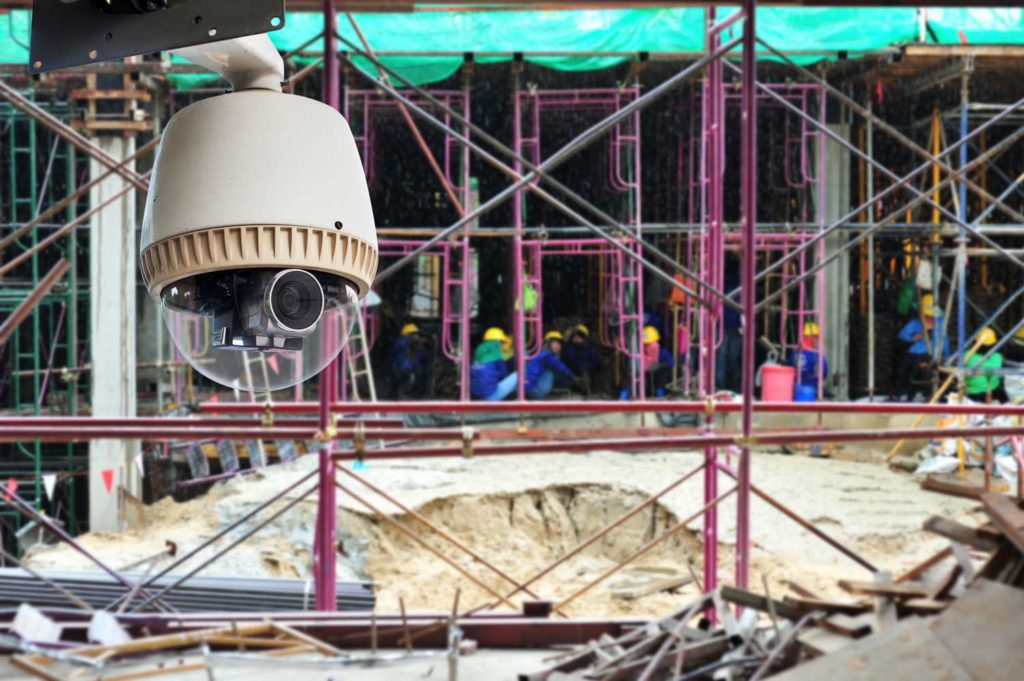
Construction site security presented unique challenges in the early part of the 2020s as many projects were put on hold due to a global pandemic. This forced active job sites to temporarily close, leaving them increasingly vulnerable to theft and vandalism. Although many of these companies use construction site surveillance cameras, outdated models are significantly less effective at securing job sites.
From stolen appliance packaging and piping, to water heaters on residential build sites, to disruptions caused by things like supply chains, wars, and tariffs, the 2020s have been a difficult decade for the construction industry. The theft of heavy construction equipment and tools on commercial properties, and even squatting and vandalism became commonplace when job sites were unprotected. But while the age of work-from-home is over (and never really existed for construction projects), not everyone can be on the job site 24/7. That’s where 21st-century security systems come in handy to lessen your vulnerability and risk.
Here are a few surveillance options specifically catered to securing job sites.
|
Camera Type |
Best For |
Power Source |
Mobility |
|
Fixed Cameras |
Permanent jobsites |
Wired/Wireless |
No |
|
Mobile Cameras |
Temporary or remote sites |
Solar/Battery |
Yes |
|
Virtual Guard Solution |
High-risk sites |
Depends on camera system |
N/A |
Fixed Construction Site Security Cameras
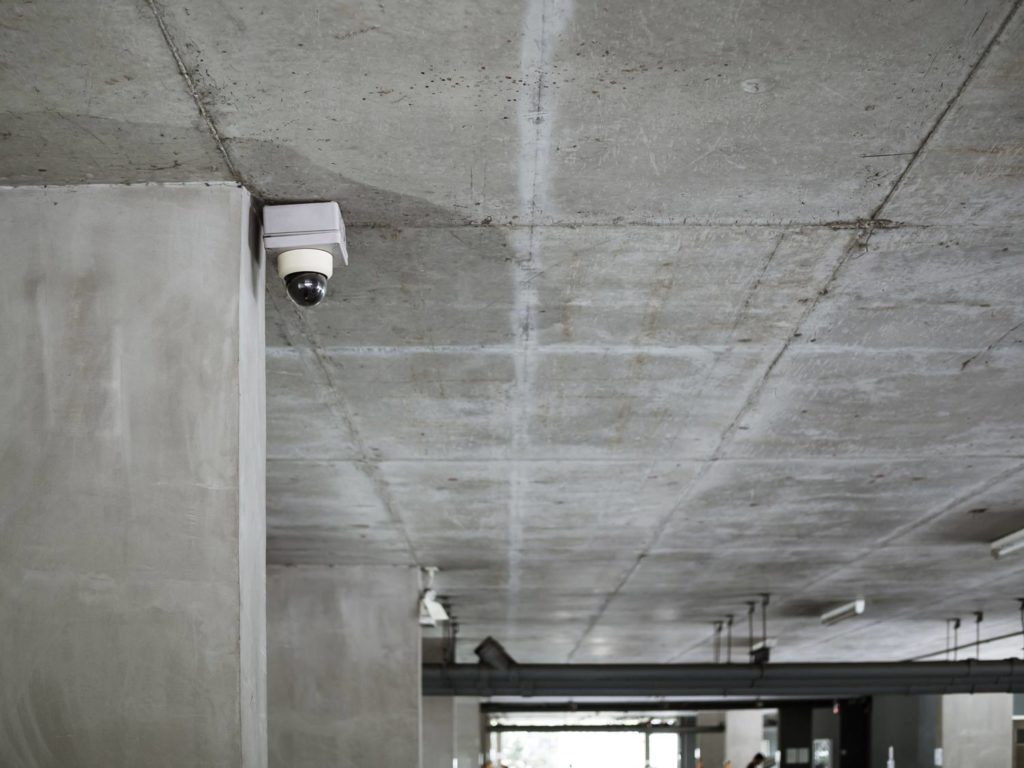
Fixed cameras are a static solution to security when you can’t be on the job. They are not the standard old-fashioned cameras most people think about when they imagine a job site security camera.
They come equipped with artificial intelligence (AI) to detect threats and respond in ways that fit your needs. The software can tell the difference between a plastic bag blowing across a property line and a person breaking into an equipment trailer.
Fixed security cameras can be hard-wired or wireless, harnessing the Internet to transmit data from your site to your cell phone. Automated alerts sound the alarm if there’s a problem, and everything is recorded and tagged for easy access later on. Your security team can even automate warning alert systems to deter any detected trespassers while notifying you with a text. These alarms can be fully automated and integrated with other systems that could do things like alert the police.
These are a few of the smart features you’ll find in today’s fixed construction security systems—and the technology is improving all the time.
Mobile Construction Site Security Cameras
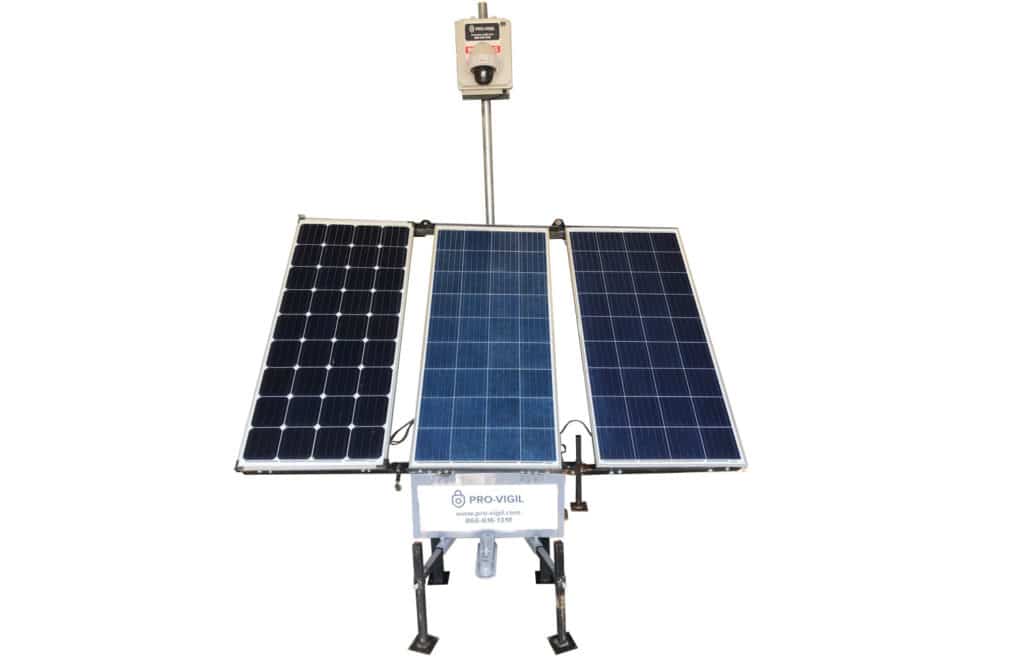
For remote construction sites without reliable electricity, mobile security cameras are the best option. These cameras have all the next-generation features that fixed cameras do with the only difference being their source of energy.
Mobile security cameras use the 4G mobile network powered by some of the most reliable names in the business, like AT&T, T-Mobile, and Verizon. They are powered by a long-running rechargeable battery and come equipped with solar panels for consistent recharge. They can even be mounted on trailers making them quite literally mobile.
Simple IP issues could interrupt most security cameras. To combat this, top construction site surveillance providers like Pro-Vigil offer IP Health Monitoring services to regularly check the status of your cameras.
How Virtual Guards Enhance Construction Site Surveillance Cameras
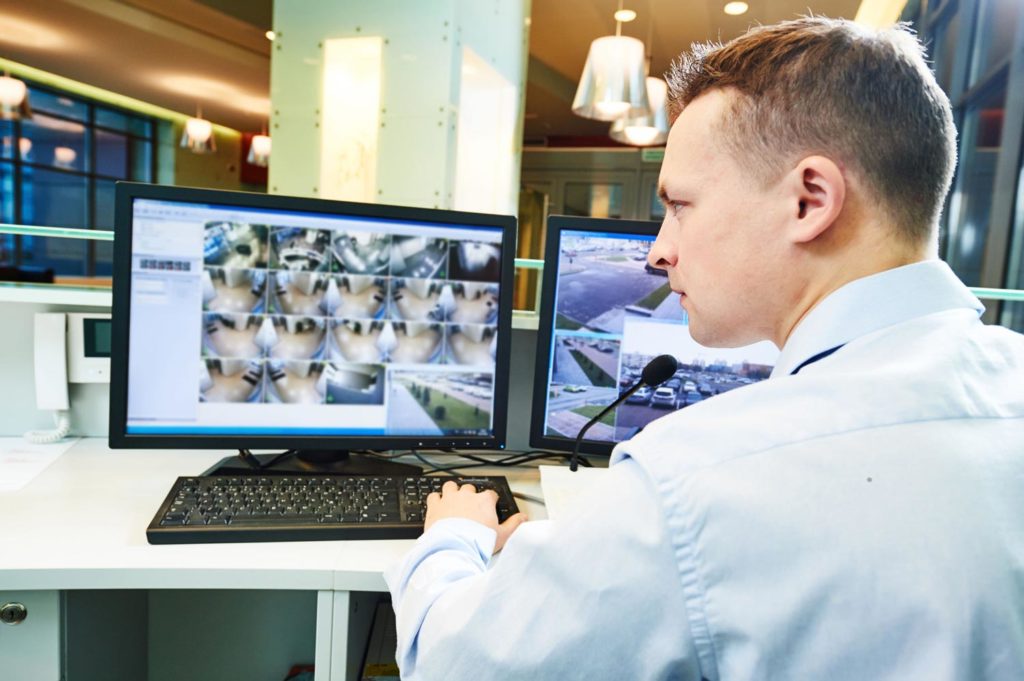
Onsite security guards are expensive and rely on having someone in the right place at the right time to stop crime. Today, efforts to monitor your construction site can take advantage of the latest technology for 24/7/365 construction site surveillance. Virtual guards use high-end construction security cameras while monitoring your property from afar.
Virtual guards can monitor video feeds from one or multiple sites. This allows you to save the salary you’d pay for an onsite guard, replacing them with virtual security guards and high tech cameras. Unlike onsite guards, surveillance solutions don’t have blind spots or the urge to fall asleep, and are suitable for protecting job sites. That’s not to say onsite security guards are obsolete. In fact, security guards benefit from a surveillance system capable of informing them where suspicious activity is taking place.
Virtual guards use two-way audio and AI-automation tools, enabling immediate and effective security interventions. They provide video verification to law enforcement to decrease response times. And they aid in reducing false alarms that are so maddening in the middle of the night. They can even do a virtual security patrol the same way an onsite guard does, by switching between camera feeds.
Another benefit is that these tools and services can be used to keep tabs on people who enter your site after hours with authorization. If a contract worker behaves unsafely, for instance, there can be video proof in settling any disputes.
Alternatively, these job site security systems can be leveraged to watch out for the safety of a solo or small work team. If a worker is hurt or threatened by an intruder, the virtual guard can push the panic button and call for an immediate response. They can also use two-way audio to verify the status of the employee.
How to Choose the Right Camera for Your Construction Site
The right camera setup depends on a handful of practical factors specific to each individual construction site:
- Site Size: A small jobsite may need only one or two fixed cameras, while a sprawling complex project likely needs many times that to cover the perimeter alone.
- Temporary vs. Permanent: Permanent facilities favor hard-wired fixed cameras, while active jobsites that will wrap up or move phases favor mobile units that run on solar power and batteries – and can relocate with the project.
-
- Power Availability: As with the above entry, sites without reliable electrical infrastructure generally find that solar/battery-powered units are more dependable.
- Internet Connectivity: If your site is remote and lacks reliable Wi-fi, you can use cellular-connected cameras that run over 5G instead.
- Budget: Fixed cameras are typically lower cost up-front. Virtual guard monitoring adds an ongoing service cost, but reduces the need for on-site guards.
- Monitoring Requirements: If you need someone actively watching and responding in real time, a virtual guard solution is the way to go.
Visit our Construction Site Security Monitoring page to learn more about these types of offerings.
Choosing the Right Construction Site Surveillance for Your Jobsite
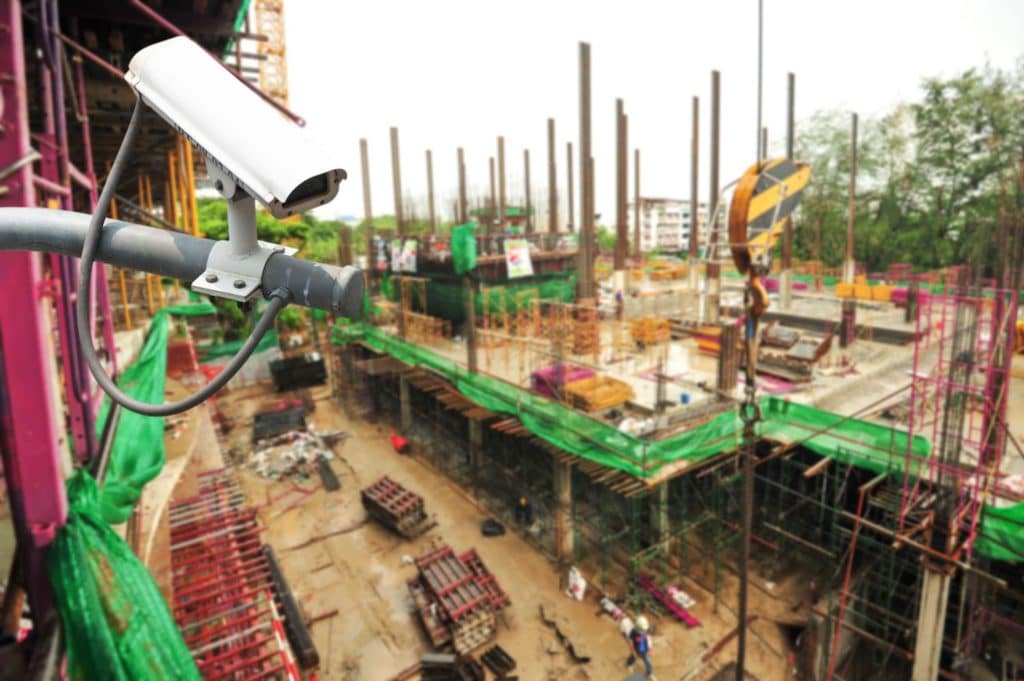
Theft on construction sites leads to significant losses for the industry as a whole. From building materials to equipment, vandalism, and squatting, construction sites are often a criminal’s top target.
The most effective construction site security cameras combine the best in technology with smart features to make these tools more effective than ever before. These tools reduce legwork, cut costs, and are more effective at detecting and preventing crime. Construction site monitoring protects employees, provides reliable documentation, and helps preserve the security, integrity, and ultimately the success of construction projects.
Pro-Vigil is a leading resource for intelligent video surveillance tools that make use of the most cutting-edge technologies available today. We help protect our clients every day from loss, whether it’s equipment, materials, or revenue. Our experts work one-on-one with clients to ensure their surveillance strategies are met with the utmost efficiency and reliability.
Find out why more construction companies choose to partner with our expert security consultants to design cutting-edge solutions to mitigate their risk. Learn how Pro-Vigil’s construction site video monitoring services help protect jobsites nationwide, and then start the conversation with Pro-Vigil to get the peace of mind you deserve.
FAQs