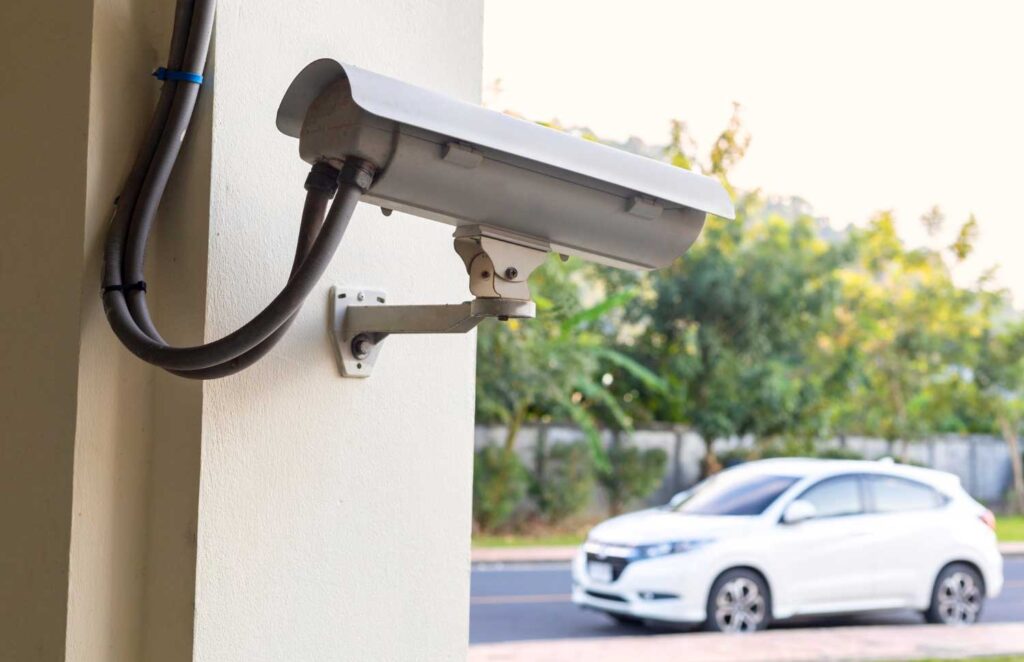
Remote video monitoring reduces business risk by shifting from a reactive security posture, responding after losses occur, to a proactive one that detects and interrupts threats before they result in damage, theft, or liability. This shift affects not just security outcomes but also insurance costs, operational continuity, and the overall financial exposure a business carries.
How Remote Video Monitoring Reduces Risk Across Your Business
Every business faces risk. That risk can come from theft, vandalism, trespassing, or property damage. The real question is how well that risk is controlled.
Traditional security systems often document what happens after an incident. Remote video monitoring takes a different approach. Remote video monitoring detects suspicious activity, and a monitoring agent responds when something unusual occurs. This helps reduce the chance that an incident happens at all.
For many businesses, this shift from reactive to proactive security plays a direct role in lowering overall risk.
Preventing Incidents Before They Become Losses
One of the most effective ways to reduce risk is to stop incidents early. AI-enabled cameras watch key areas across a property. When unusual activity is detected, monitoring agents review the situation right away and can respond using:
- Loud sirens or audio deterrents
- Security alarms or flashing lights
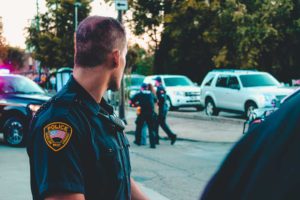
- Escalation to law enforcement when necessary
Because intervention happens while activity is unfolding, many incidents are stopped before they cause any loss. In fact, remote video monitoring by Pro-Vigil prevented 27,923 crimes in 2025 alone!
Fewer Incidents Lead to Fewer Insurance Claims
When incidents decrease, insurance exposure decreases as well. Businesses that experience fewer thefts or acts of vandalism are less likely to file claims. Over time, this can help:
- Reduce the number of reported losses
- Improve a company’s risk profile
- Limit repeat incidents
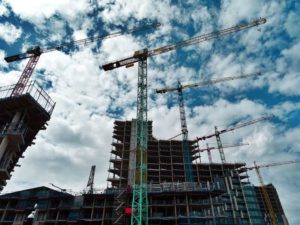
This is especially important in industries like construction, where theft can be frequent and costly. And even when an incident does occur, having clear documentation matters.
Remote video monitoring systems record and store high-definition footage that can be used to:
- Verify what happened during an incident
- Provide evidence to insurance adjusters
- Support law enforcement investigations
- Reduce disputes about the cause of loss
Instead of relying on incomplete information, businesses can present clear video evidence. This often helps speed up the claims process.
Meeting Evolving Insurance Requirements
Insurance providers are placing more emphasis on how properties are protected, especially in higher-risk industries. In construction, some underwriters, including firms such as TRU Underwriting, are increasingly requiring builders to have remote video monitoring in place before issuing or renewing coverage.
This reflects a broader shift. Insurers recognize that proactive security monitoring helps reduce losses and improve overall risk management. For businesses, this means remote video monitoring can play a role in both reducing risk and maintaining insurability.
Reducing Operational and Financial Exposure
Risk is not limited to direct loss. Security incidents often create additional challenges across a business. These can include:
- Project delays due to stolen materials or damaged equipment
- Lost productivity while issues are addressed
- Time spent managing claims or repairs
- Damage to reputation if a property is seen as unsafe
By stopping incidents early, businesses can avoid many of these downstream effects. This allows businesses to move beyond reacting to incidents and toward actively reducing risk.
Strengthening Security and Insurability
As insurers continue to evaluate risk more closely, businesses that adopt proactive security measures are in a stronger position.
Companies such as Pro-Vigil help reduce risk by preventing incidents, providing clear video evidence when events occur, and aligning with evolving insurance expectations.
For organizations focused on protecting their operations and maintaining coverage, remote video monitoring offers a practical and effective solution.
Frequently Asked Questions
Remote monitoring reduces risk by preventing incidents from occurring rather than documenting them afterward. When suspicious activity is detected and interrupted before a theft or vandalism is complete, the business avoids the direct financial loss, the insurance claim, the operational disruption, and the time spent on incident management, all of which represent real business risk.
Active monitoring most directly addresses theft, vandalism, and trespassing risk. Secondarily, it reduces liability risk (by documenting conditions and incidents), regulatory risk (by supporting compliance documentation), and reputational risk (by protecting the property against visible neglect or damage that affects how customers, tenants, or partners perceive the business).
Insurance premiums are influenced by claims frequency and severity. A business that maintains a clean claims history over several years, supported by active monitoring that prevents incidents from occurring, builds a risk profile that qualifies for better coverage terms and lower premiums at renewal. The cumulative financial benefit of a clean record compounds over time.
The direct cost of a single theft or vandalism event varies widely by industry, from a few thousand dollars for a commercial break-in to hundreds of thousands for a copper wiring theft at a solar farm or a vehicle theft at a dealership. But the indirect costs, downtime, claims processing, increased premiums, replacement timelines, often exceed the direct loss, making prevention significantly more valuable than the replacement cost alone would suggest.
Documented monitoring activity, incident logs, operator response records, verified video footage, gives insurers concrete evidence that a business takes security seriously. This documentation supports underwriting decisions, can influence premium calculations, and demonstrates due diligence in the event of a claim. Some carriers explicitly recognize active monitoring as a qualifying risk reduction measure.