Quick Answer & Key Takeaways:
Catalytic converter theft is on the rise, with SUVs, trucks, and hybrids like the Toyota Prius, Honda, and Lexus RX among the most targeted vehicles. Thieves favor these models because they’re easier to access and often have converters in better condition with valuable metals like rhodium. Businesses can help deter theft by improving lighting and deploying 24/7 video surveillance with AI-enabled cameras to monitor parking areas and support prosecution if theft occurs. To sum up:
- A stolen catalytic converter typically costs $1,000 to $3,000 or more to replace.
- Catalytic converter theft isn’t just a nighttime problem; busy daytime lots provide more than enough cover for a fast, practiced thief, who can take a catalytic converter from a parked car in as little as two minutes.
- Hybrids like the Toyota Prius are especially targeted because their converters run cleaner and retain more precious metal content than a standard gas engine’s converter.
- SUVs, trucks, and larger vehicles are targeted for a different reason: higher ground clearance makes the converter easier to reach without jacking up the car first.
- AI-powered video surveillance and remote monitoring rank among the most effective catalytic converter theft prevention methods for businesses, alongside bright lighting and physical barriers.
Want to learn more? Read on!
If you own a parking lot or a garage, you already probably know that cars are targeted for catalytic converter theft. The incidents of these criminal events are on the rise. Here are the latest catalytic converter theft statistics worth knowing:
- Nationally, catalytic converter theft claims reported by State Farm fell from a peak of approximately 45,000 in 2022 to an estimated 7,600 in 2024. However, theft may be rising again in some areas. MoneyGeek reports that St. Paul, Minnesota, recorded a 193% increase in catalytic converter thefts from 2024 to 2025.
- That decline may not hold; rhodium prices more than doubled in 2025, and police in several cities are already reporting renewed spikes.
- St. Paul, Minnesota, saw catalytic converter theft nearly triple in 2025 — going from 172 incidents to 504 — despite having some of the strictest anti-theft laws in the country.
Why are catalytic converters such big targets for thieves? What cars are most targeted for catalytic converter theft? How can you, as a business owner, protect your customers from becoming a victim? We have answers that can help you stop catalytic converter theft.
Why Do Catalytic Converters Get Stolen?
Years ago, stereos were hot items for theft. Rims are always popular with thieves. Not to mention all the graduation presents you had laying in your backseat. For car owners today, though, it’s the catalytic converter that is a much more popular item to snag by criminals.
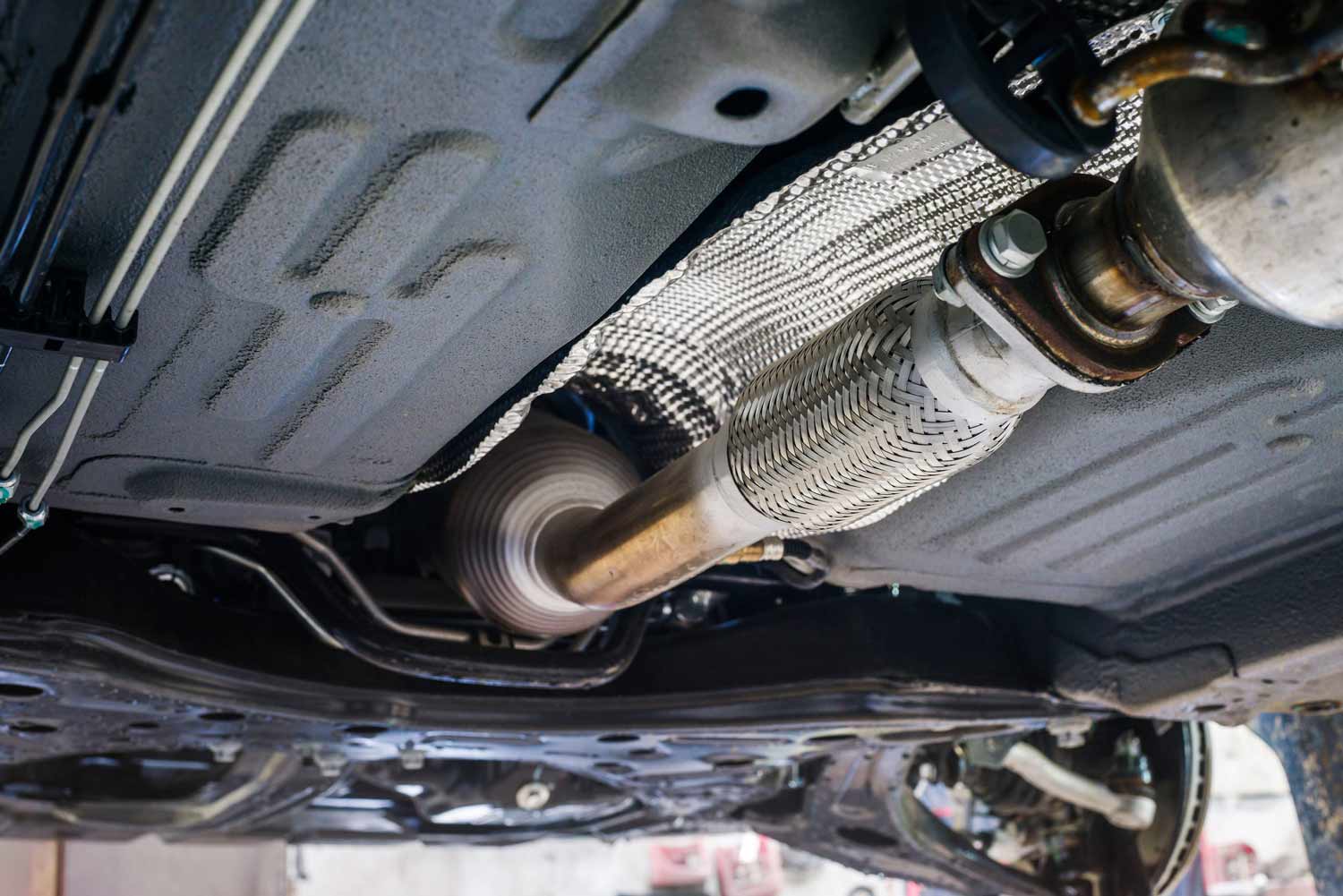
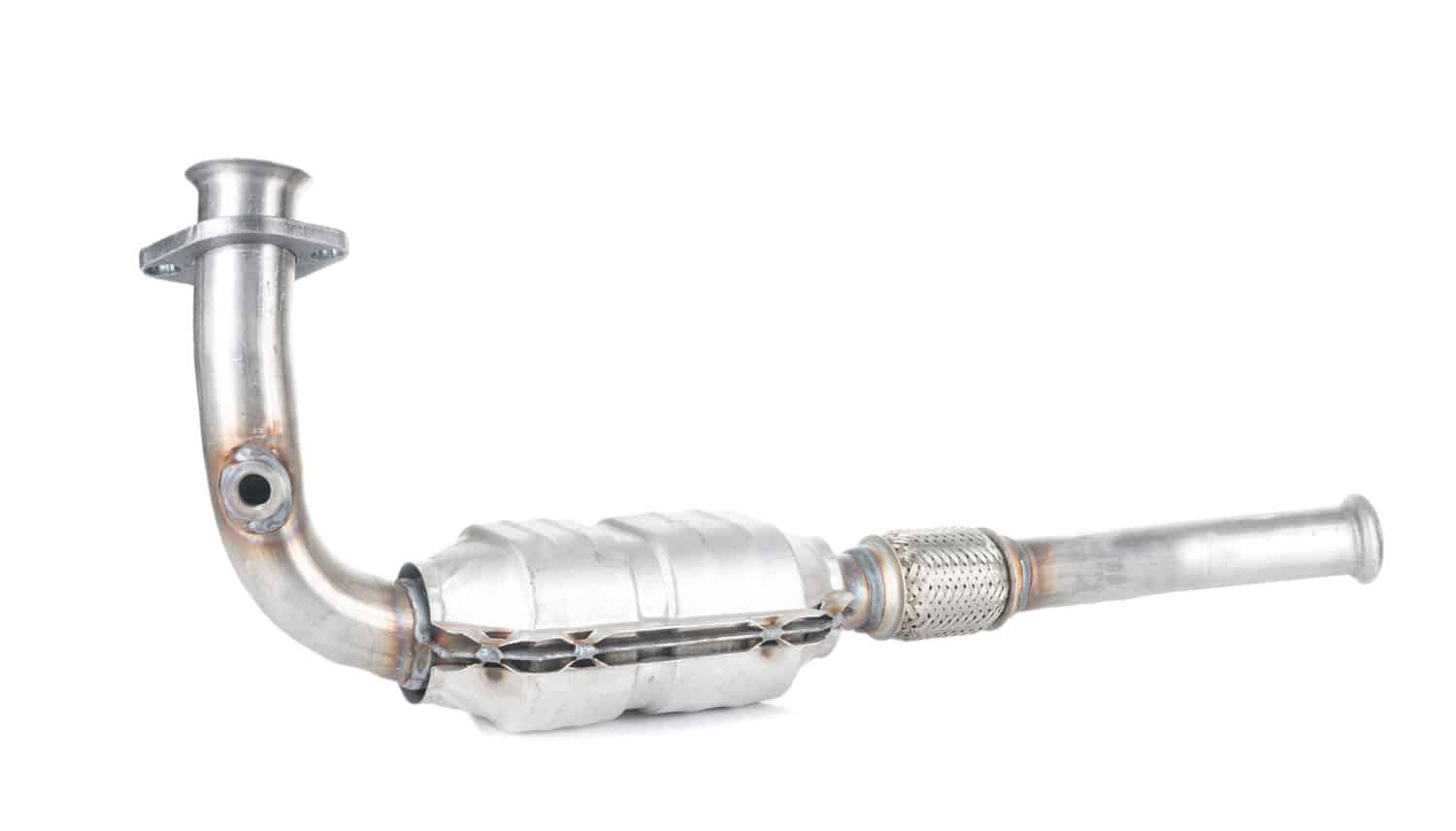
A catalytic converter can be stolen out from under a car in seconds. As soon as the car starts, the owner can hear how wrong their vehicle is without it. But what exactly is a catalytic converter? Which cars have catalytic converters?
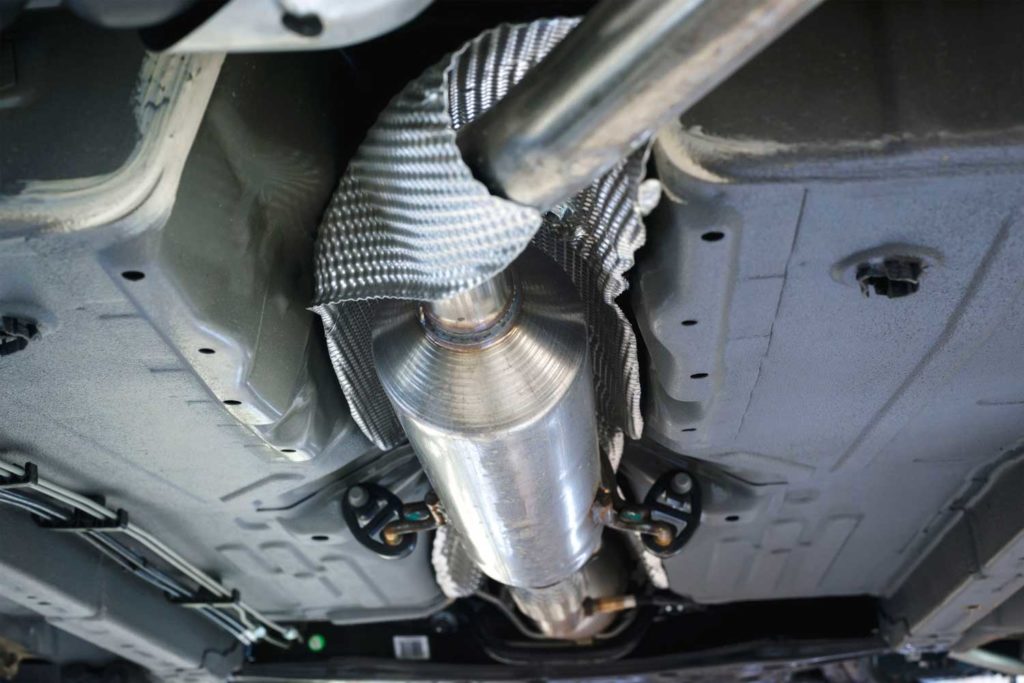
As it turns out, nearly all non-electric cars have catalytic converters. The catalytic converter is part of your exhaust system. Its job is to remove nasty gases from the car’s exhaust before they are sent into the air you’re trying to breathe. The function of a catalytic converter is to protect the environment from the harmful compounds found in the exhaust of a car. This includes:
- Carbon monoxide
- Hydrocarbons
- Nitrogen oxides
The catalytic converter is the catalyst to remove these harmful compounds from the air. That’s not why they’re stolen, though. Catalytic converters are made with some precious metals that can be sold for between $200 and $500 per piece to scrapyards. The converter is made of palladium, platinum, and rhodium, which are behind the catalyst to clean up your car exhaust. What’s the big deal about these metals? At about $19,000 per ounce, rhodium alone is worth ten times more than gold.
Given that it takes seconds to saw off the piece from under the car, you can make some big bucks in a night if you’re a crook with a hacksaw. Are all cars potential victims of catalytic converter thieves, or are some cars more targeted for catalytic converter theft than others?
Common Signs of Catalytic Converter Theft
|
Warning Sign |
What It Could Indicate |
|
Loud exhaust noise after starting the vehicle |
The catalytic converter may have been removed from the exhaust system. |
|
Reduced engine performance |
Missing exhaust components can affect how the vehicle operates. |
|
Unusual exhaust smell |
A damaged exhaust system may allow untreated gases to escape. |
|
Dashboard warning light |
The vehicle may detect an issue with emissions-related components. |
|
Visible damage under the vehicle |
Signs of cutting or missing exhaust parts may indicate theft. |
Let’s look at the most stolen catalytic converters. Is your car on this list?
What Cars are Targeted for Catalytic Converter Theft?

If a car was manufactured after 1974, it has a catalytic converter. But of this group of more modern vehicles, what cars are most targeted for catalytic theft? Consider these important points:
- First, if the car is low to the ground, you might be safer. Chances are the thief will look for an SUV or a vehicle that they can easily scoot under. Customers owning SUVs like the 4Runner, Tacoma, Tundra, or a Lexus SUV are most vulnerable. However, if you’re in a dark, unprotected corner of a garage, a thief can jack up a car in less than 60-seconds.
- Trucks and buses are of course, higher off the ground. Some of the larger vehicles in this category also have two catalytic converters.
- With that said, the Toyota Prius is most often targeted, according to CarParts.com. Why? Because a hybrid vehicle doesn’t use gasoline power all of the time, so the catalytic converter is much more likely to be in better shape. All of the precious metals will still be in the converter unit. Now, here’s the really bad news: Replacing a Prius catalytic converter costs about $5,000.
- Other hybrids are also target for catalytic converter theft. This includes Honda, Lexus RX, and the Toyota Auris.
Why Are SUVs, Trucks, and Hybrids Targeted More Often for Catalytic Converter Theft?
So, having looked at some of the catalytic converter theft popular cars, we can see a consistent pattern as to why thieves come back to the same vehicle types over and over again.
- Higher ground clearance: This gives thieves enough room to slide underneath and get to work immediately, without jacking the vehicle up first.
- Easier access: Related to (but distinct from) the above bullet, trucks and SUVs typically have less ground-level obstruction around the exhaust system than a low sedan.
- Larger converters: Especially on bigger trucks like the Ford F-250/F-350, this sometimes means there are the equivalent of two units to steal from a single vehicle.
- Hybrid converters: These contain more valuable precious metals, since the engine runs less often and the converter stays in better condition.
- Faster theft overall: The combination of easy access and a valuable, unobstructed target means these vehicles can be hit in under two minutes.
What Can We Do About Catalytic Converter Theft?
The problem has grown so bad that since 2021, 31 states have passed specific converter theft laws, with Ohio the most recent in 2026. g:
Some of the laws enacted include requiring scrap metal dealers to maintain purchase records. Other states assume that if you have a catalytic converter with no proof of ownership, you’re in possession of a stolen part. While these won’t prevent the most stolen catalytic converters from being at risk, they should help reduce the economic incentive.
How Can You Help Prevent Catalytic Converter Theft on Your Property?

When it comes down to it, asking questions like “what cars are targeted for catalytic converter theft” or “what are the most stolen catalytic converters” is barking up the wrong tree. What we should be asking is, how do I stop catalytic converters from getting stolen on my property?
For business owners, facing a rash of catalytic converter thefts on their properties can be downright embarrassing. Most parking garage and lots have disclaimers that patrons part at their own risk.
If you suffer a rash of these thefts, though, and you don’t have the video security to at least pursue prosecution, then FindLaw suggests you still may be liable. They say, “Courts have issued conflicting decisions on the question of a parking garage owner’s liability or car damages or thefts.” No one wants their customers to suffer theft. How can your customers—and you—stop this crime in its tracks?
- Some of your customers are undoubtedly installing protective devices on their vehicles to prevent a thief from cutting off the converter.
- Some newer vehicles have vibration alarms that trigger from the sawing motion that comes taking off a catalytic converter.
- You can support your patrons by making sure your parking areas are very well-lit.
- Perimeter security can help keep trespassers off your lot.
- You can support your customers by having the best video surveillance system for 24/7 eyes on their important property.