Quick Answer & Key Takeaways:
The best small business security cameras combine cloud-based IP hosting, motion-triggered recording, AI-powered detection, and two-way audio into one system you can monitor from anywhere.
- Wireless, cloud-connected systems let you view footage from any device and get alerted the moment something’s wrong.
- AI-powered motion detection cuts down on false alarms by telling people apart from animals, vehicles, and shadows.
- Professionally monitored systems add a live operator who can verify an incident and intervene in real time.
- Look for HD or thermal visuals, camera health monitoring, and off-site cloud storage so nothing can be erased or stolen along with the hardware.
Keeping your small business safe from criminals is a 24/7/365 job. It’s an increasingly dangerous world. Fortunately, the best wireless security camera systems can watch your business when you can’t. What features do these systems have that make them so effective? Here’s what to look for when selecting the best security camera system for your small business.
8 Features of the Best Security Camera Systems for Small Business
Not all small business security cameras offer the same level of protection. Here’s how the four common tiers of a small business video security system compare:
Comparison: Basic vs. Professional vs. AI-Powered vs. Monitored Systems
|
Basic |
Professional |
AI-Powered |
Monitored |
|
|
Recording |
Local DVR |
Cloud + local |
Cloud + analytics |
Cloud + analytics |
|
Alerts |
None or motion-only |
Motion-triggered |
Smart detection (person/vehicle) |
Verified, real-time |
|
Response |
Self-review only |
Self-review |
Self-review |
Live operator intervention |
|
Best for |
Very low-risk sites |
Single-location businesses |
Businesses wanting fewer false alarms |
High-risk or multi-location businesses |
Quick Recommendation
Not sure which tier of small business surveillance systems fits your business? Let’s give you some quick examples of where you might benefit.
- Single location with a tight budget: A Professional-tier system covers most needs, offering cloud recording plus motion alerts.
- Multiple locations, cash or high-value inventory: AI-Powered detection cuts down on the false alarms that come with more cameras across more sites.
- After-hours exposure: If you operate construction sites, warehouses, parking lots, or other open areas that empty out after a day’s work, monitored systems with live intervention are worth the extra cost, since no one’s on-site to notice a problem in real time.
Still not sure? Start one tier above what feels comfortable; it’s cheaper to right-size a monitoring plan upfront than to replace hardware that can’t support it later.
You have a lot riding on selecting the best security camera system for your business. Systems differ in video quality, cost, functionality, and durability. If you’re wondering how to choose the best security camera system for your small business, here are eight must-have features to get you started.
1. IP camera hosting
The best security camera systems for small businesses connect wirelessly to the internet. They can also feed that video directly to any digital device. IP camera hosting is essential for any small business owner who wants to see what’s happening when they’re away from the property. IP-enabled video surveillance tools alert you to abnormal activity by pinging your email or sending a text. You can access the video feed through your cellphone, laptop, tablet, or desktop on any browser.
2. Wireless connectivity

The internet is hugely valuable for catching bad actors before they leave your business. Before the internet, you simply reviewed the video surveillance tape after a crime was over. With wireless connectivity, now you can stop the crime before it starts.
Wirelessly connected video surveillance typically stores video in the cloud. If you are a business owner, a text can alert you to a problem as it happens. You use your browser to hit the security hub, quickly review the footage, and respond. This real-time connectivity means the best surveillance camera systems for small businesses can potentially help catch criminals before they even leave your business.
3. Cloud storage

Remember the days of a back-office DVR attached to video surveillance? You’d go in, review the footage, and trade out the recorded disc. If someone broke in, they could potentially also abscond with the disc, leaving no trace of what happened. DVR recording features leave you vulnerable. Today, the best security camera systems for small businesses support real-time video surveillance that can automatically save to the cloud. There is no server or DVR left to steal.
From your online security hub, you can review stored videos quickly. Automated tagging features allow you to search for specific video recordings easily. Instead of reviewing hours of video surveillance, you can search by keyword tags. It’s a more organized and efficient way to handle video files in the cloud.
Of course, cloud-solo isn’t the only option. Many businesses now use a hybrid approach, with local storage for immediate access and cloud backup for critical cameras, and typically retain footage anywhere from 30 to 90 days depending on storage capacity and business needs.
4. Better visuals
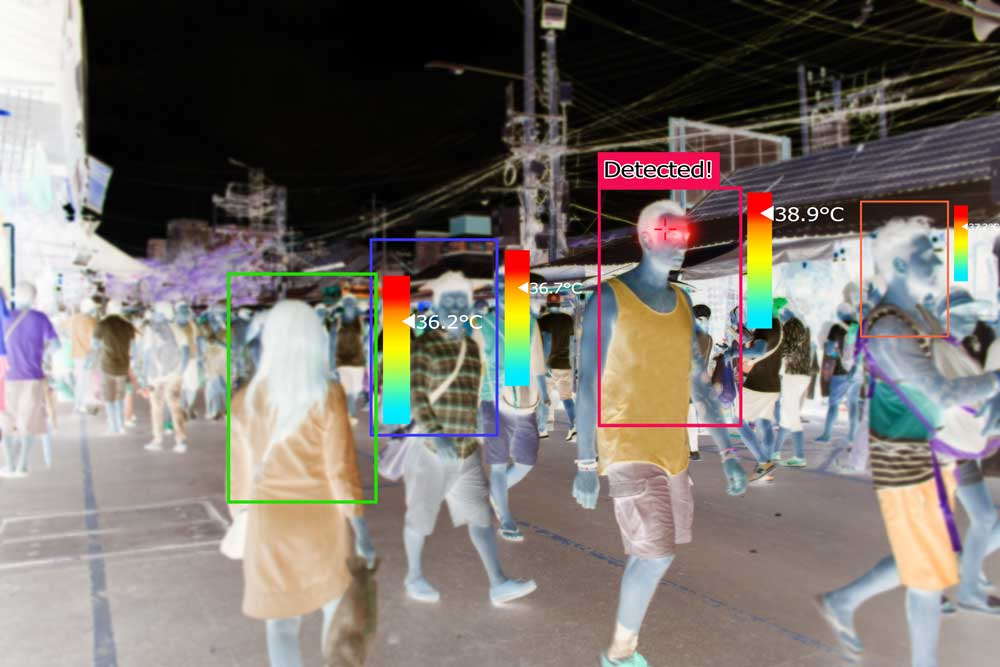
Many cameras now record in 1080p HD to increase the quality of what you see on the screen. The best security camera systems for small businesses also use infrared lighting to improve night vision. Some cameras use color night vision for higher visual acuity. Some include integrated spotlights and thermal cameras to help see in the darkest environments. Since crime thrives in darkness, thermal imaging is beneficial for stopping criminals. Thermal imaging works by detecting heat emissions—including a warm-bodied criminal intent on causing harm.
5. Motion detection
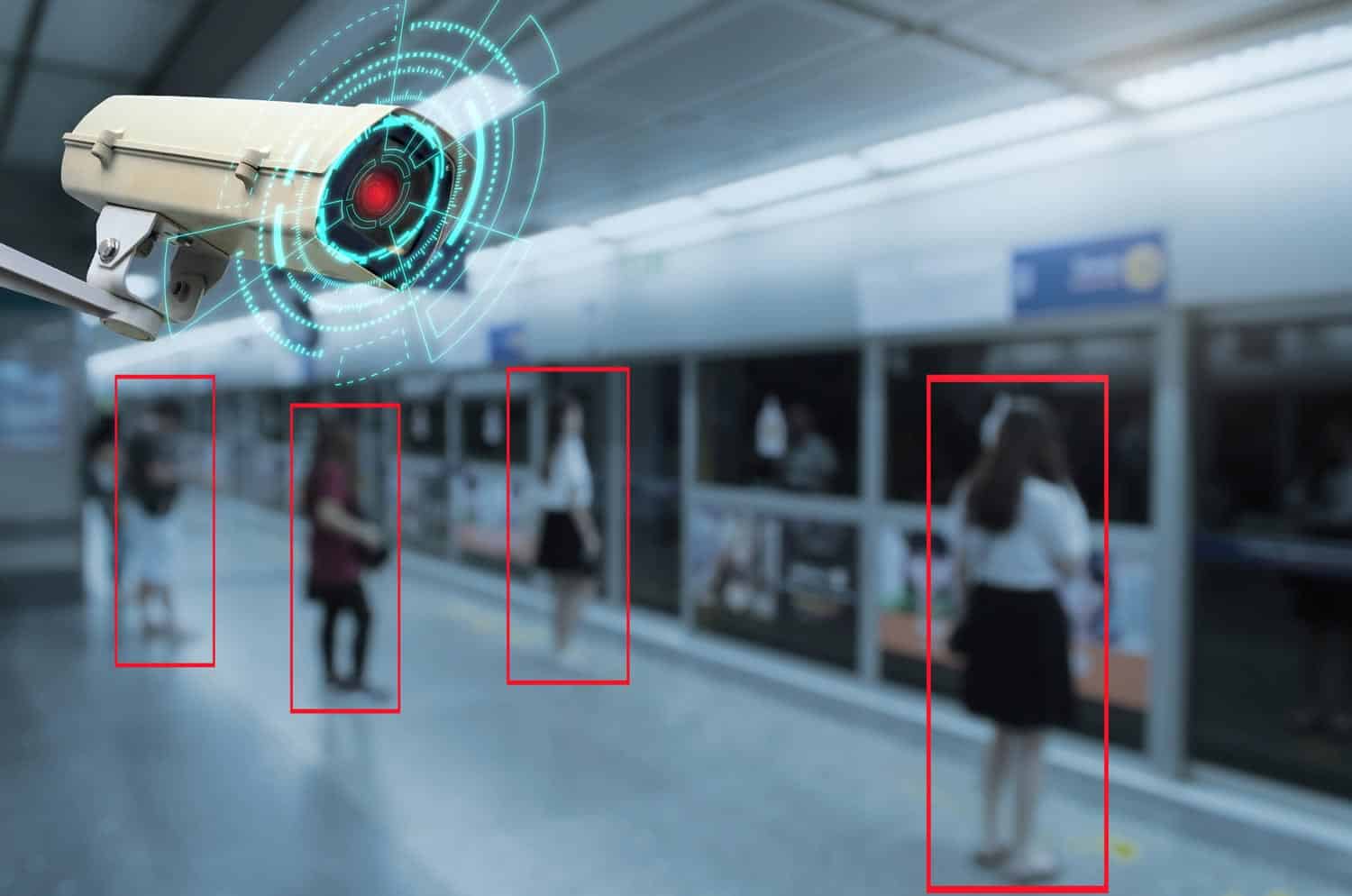
Video surveillance cameras with motion detection react to movement by sending a notification (for example, an email or a text) that something is afoot. The motion also triggers the unit to begin recording the activity. Motion detection is helpful for low-traffic areas where a continuous feed isn’t needed. Motion detection cameras can save battery life and your power bill by responding only when needed.
When combined with AI software, motion detection cameras are even more effective. The camera wakes up to motion. The AI software determines whether the action is human or something else, like an animal. If the activity is human, the software can trigger a security alert.
6. Camera health monitoring

Are you sure your cameras are working? Any electronic device can break down. But when a video surveillance camera malfunctions, your business is vulnerable. That’s why you need tools to monitor the video surveillance units to ensure they work when you need them the most. If a video camera malfunctions, a ping goes from the camera through the internet to a remote monitoring station. The human on the other end knows that the camera is down and can take appropriate action to fix the problem. Having your camera health monitored offers real peace of mind.
7. Artificial intelligence
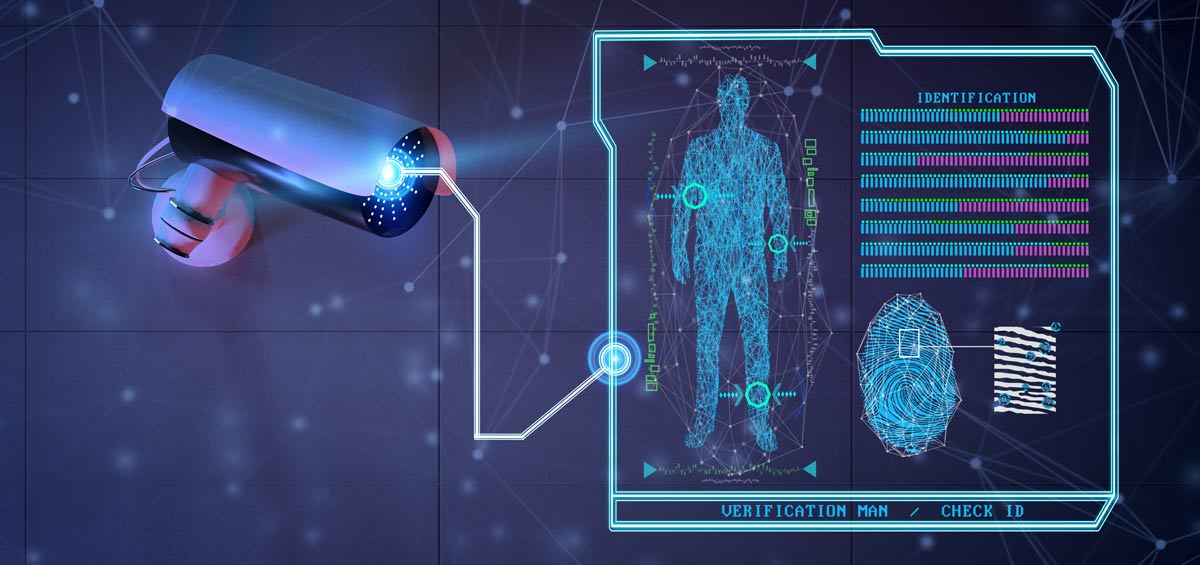
You’ve probably heard the buzz about AI in everything from art generation to writing text, but did you know the best small business security systems also use AI-powered software? AI-driven smart cameras feature advanced behaviors to help them function more efficiently. For example, AI can help differentiate between vehicles, people, and animals, cutting down on false alarms. AI can determine geographic boundaries and respond appropriately when an off-limits area is breached. AI cameras can trigger alerts based on specific parameters. Even better, the software can learn from prior behaviors and improve the response.
8. Audio and visual alerts

The best wireless security camera system for small businesses uses two-way audio. These cameras allow you to talk to someone through the speakers and hear their response. Imagine a camera that can alert you to activity as it happens. You can dial in through your cell phone and question the person on the other end of the camera. Or the camera can play a recorded message and flash strobe lights to scare an intruder. These features can give you the upper hand.
How to Choose the Right Security Camera System for Your Business
The right small business surveillance system depends on your size, budget, and risk level more than any single feature. A single-location retail shop with a tight budget may only need a basic wireless security for small business setup with motion alerts, while a multi-location business handling cash, inventory, or sensitive data typically justifies AI-powered detection and professional monitoring. This is the kind of video surveillance for small business that scales as you grow, after all
Industry matters too. For instance, retail benefits most from person detection and point-of-sale coverage, while warehouses may need wide-area coverage plus license plate recognition at loading docks.
What Factors Impact the Cost of a Small Business Security Camera System?
Pricing varies widely from business to business, so we can’t just answer “how much does a small business security camera system cost” – every business is unique, and every security system setup is similarly unique. However, there are a few factors that do most of the work in determining where you’ll land:
- Camera count and coverage area: More entry points and blind spots mean more cameras.
- AI and analytics: Smart detection costs more upfront than basic motion triggers, but cuts down on false alarms over time.
- Monitoring level: Self-monitored systems cost less than professionally monitored ones with live response, but require more from your team.
- Storage: Cloud storage adds a recurring cost; local storage doesn’t, but can more easily run out of space.
- Number of locations: Multi-site businesses can often centralize monitoring, changing the cost math per site.
Every property is different enough that a general price range isn’t very useful on its own, so reach out to Pro-Vigil for a quote specific to your setup.
Benefits of a Quality Security Camera System
Beyond catching criminals in the act, the best security camera for small business use typically pays for itself in a few ways:
- Many insurers offer discounts (anywhere from 5% to 20%) for professionally monitored systems
- Visible cameras have been linked to meaningful drops in theft
- AI-powered detection cuts down on the false alarms that waste staff time and erode trust in the system.
This holds for a best commercial security camera system at any scale; burglary and theft remain the second most common insurance claim small businesses file, according to The Hartford’s 2025 claims analysis of more than a million policies. That means that this is exactly the kind of risk a monitored camera system is built to reduce.
Wired vs. Wireless, Cloud vs. Local, AI vs. Standard
Here are a few common camera decisions, at a glance.
|
Option A |
Option B |
|
|
Wired vs. wireless |
More reliable, harder to install |
Easier install, depends on Wi-Fi/battery |
|
Cloud vs. local storage |
Safe if hardware is stolen, monthly fee |
No monthly fee, vulnerable if stolen |
|
AI vs. standard cameras |
Fewer false alarms, higher upfront cost |
Lower cost, more manual review |
We hope this overview of the best security systems for small businesses was helpful. If your video surveillance systems lack these benefits, it’s time to call Pro-Vigil.
Best Security Cameras for Small Businesses: FAQs