

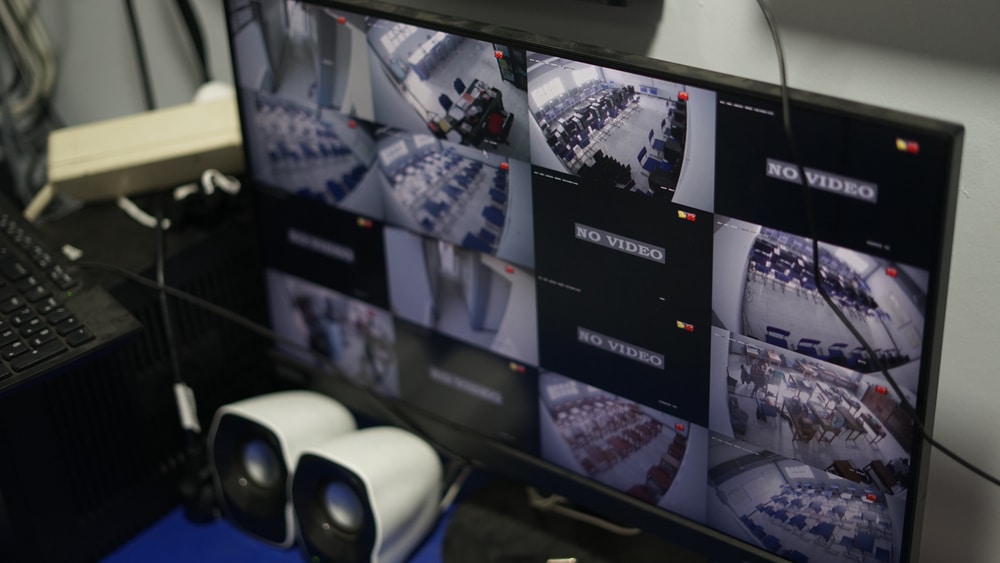
CCTV records what happens. Remote video monitoring stops crime from happening. CCTV is a passive recording system that captures footage for review after an incident. Remote video monitoring is an active security service that combines AI detection with live operators who intervene in real time, issue verbal warnings, and contact law enforcement with verified evidence.
CCTV vs. Remote Video Monitoring: Understanding the Key Differences
CCTV records what happens. Remote video monitoring stops crime from happening. That distinction is the most important difference between the two.
Both systems use cameras, but they serve very different purposes. Traditional CCTV captures footage that can be reviewed later. Remote video monitoring detects suspicious activity, and a monitoring agent responds when something unusual occurs, helping deter incidents before they escalate.
Understanding this difference can help businesses choose the right approach for protecting their property.
What Is CCTV Video?
CCTV video is designed to record activity on a property.
Cameras are installed to capture footage across key areas such as entrances, parking lots, or interior spaces. That video is stored locally or in the cloud and can be reviewed later if an incident occurs.
CCTV is commonly used to:
- Document events after they happen
- Provide evidence for investigations
- Monitor general activity across a property
- Support insurance claims
While CCTV provides valuable visibility, they are typically passive, meaning they do not actively respond when suspicious activity occurs.
What Is Remote Video Monitoring?
Remote video monitoring builds on traditional surveillance by adding real-time detection and response.
AI-enabled cameras analyze activity across a property. When suspicious behavior is detected, the system flags the event and sends it to a monitoring center. From there, a monitoring agent evaluates the situation and can respond immediately using deterrents such as:
- Loud sirens or audio deterrents
- Security alarms or flashing lights
- Escalation to law enforcement when necessary
This allows incidents to be addressed while they are happening, rather than discovered hours later.
At the same time, the system records and stores high-definition footage, providing the same investigative benefits as traditional surveillance.
Key Differences Between CCTV and Monitoring
The difference between these two approaches comes down to what happens during an event.
| Feature | CCTV | Remote Video Monitoring |
|---|---|---|
| Purpose | Record activity | Prevent incidents |
| Response | No real-time response | Monitoring agent responds in real time |
| Crime Deterrence | Limited | High (active deterrence) |
| Alerts | Motion-based, often unverified | AI-filtered and verified |
| Police Dispatch | Unverified alarms | Verified response with context |
| Footage | Recorded for later review | Recorded + used in real time |
This comparison highlights why many businesses are moving from passive systems to proactive monitoring strategies.
Why CCTV Alone Often Falls Short
Many businesses already have cameras installed but still experience theft, vandalism, or trespassing.
This is because:
- Cameras do not intervene when activity occurs
- Incidents may go unnoticed until hours later
- Criminals often assume no one is actively watching
In these situations, surveillance systems can provide valuable evidence, but they do not prevent the loss itself.
How Remote Video Monitoring Changes the Outcome
Remote video monitoring focuses on early detection and immediate response.
When suspicious activity is identified, monitoring agents can act in real time to deter individuals before damage or theft occurs.
This approach can:
- Reduce theft and vandalism
- Stop trespassing before it escalates
- Improve response accuracy when authorities are involved
- Provide recorded footage for investigations
Because individuals realize the property is actively monitored, many incidents are stopped before they result in loss.
Businesses that want to reduce incidents, improve response, and protect valuable assets are increasingly choosing remote video monitoring.
Companies such as Pro-Vigil provide remote video monitoring services that combine AI-enabled cameras, trained monitoring agents, and real-time response, helping businesses move beyond recording incidents to actively preventing them.
Frequently Asked Questions
CCTV cameras record video continuously and store it for later review. Remote video monitoring pairs cameras with AI detection and a live monitoring center whose operators watch for suspicious activity and respond in real time. The key distinction is action: CCTV creates a record; remote video monitoring creates a response.
Research shows that CCTV has a limited deterrent effect on opportunistic crime in well-monitored, high-foot-traffic areas, but is far less effective at preventing theft and trespassing in after-hours, low-traffic environments. Criminals who know a camera is present but know no one is watching the feed in real time will often proceed regardless.
Remote video monitoring does carry a higher monthly cost than a basic CCTV system, reflecting the value of live monitoring, AI detection, and incident response. However, when evaluated against the cost of a single prevented theft or vandalism incident, or compared to the cost of guards providing equivalent coverage, remote monitoring is often the more cost-efficient option.
In many cases, yes. Depending on the age and quality of your existing cameras, a remote monitoring provider may be able to integrate your infrastructure into their monitoring platform or supplement it with AI-enabled cameras at key positions. A site assessment will determine whether existing equipment meets the standards required for effective remote monitoring.
After a theft incident, the case for remote video monitoring becomes clear. CCTV provided documentation but did not prevent the loss. Remote video monitoring provides active deterrence, detecting and responding to suspicious activity before it becomes an incident. For a business that has experienced theft, upgrading to remote monitoring is one of the most direct ways to prevent recurrence.