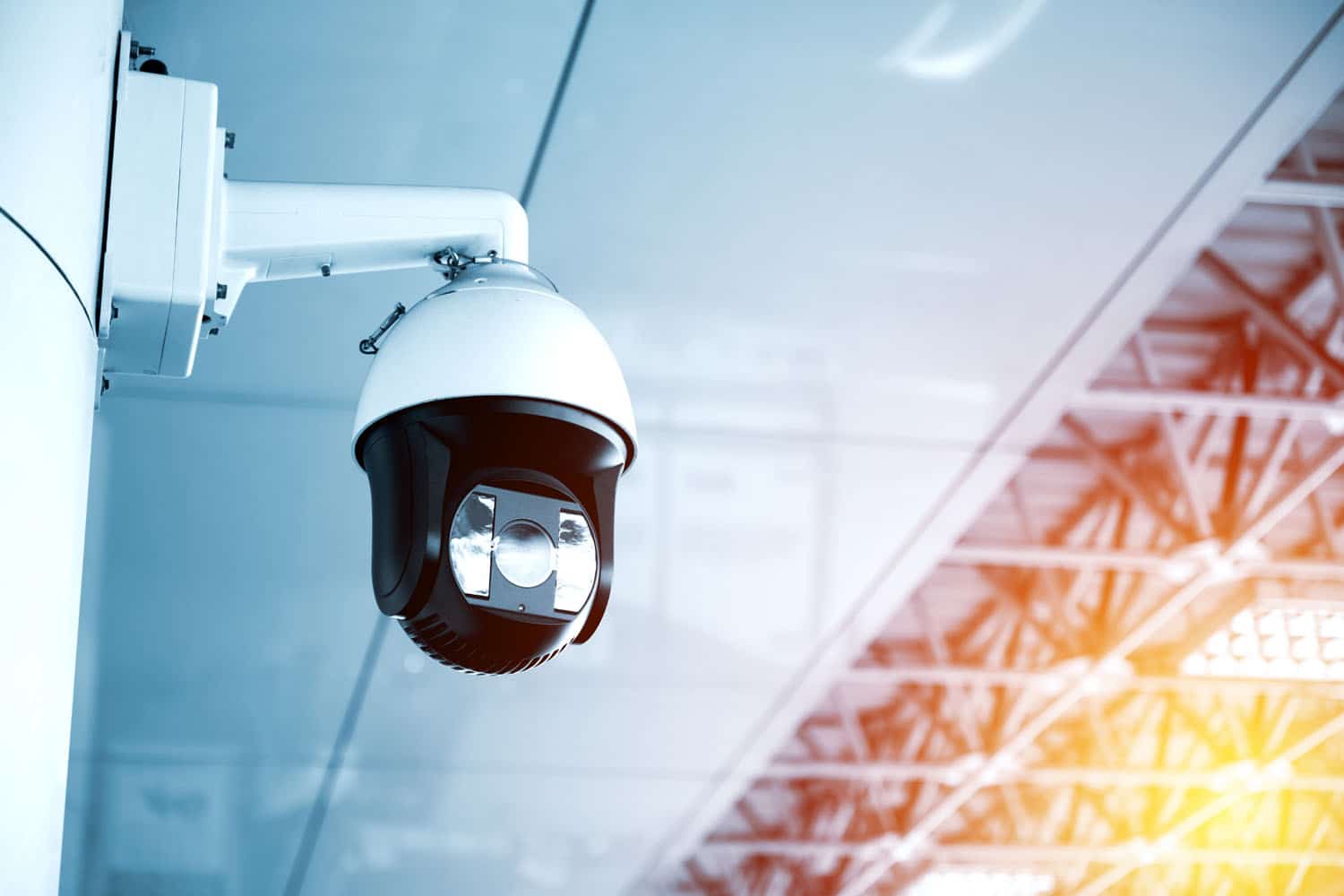
A wireless security camera transmits video over Wi-Fi or a cellular network rather than through a physical ethernet cable. It’s still a digital, network-connected camera; the wiring (or lack thereof) is the only thing that changes. A cellular-connected camera specifically uses the same mobile networks as a phone, sending footage over LTE or 5G, which means the site doesn’t need an existing internet connection at all – not even a router – for the camera to work.
That makes wireless cameras a practical fit for sites where running cable, network wiring or otherwise, isn’t realistic, like a large outdoor perimeter, a temporary jobsite, or a rural property with no internet service already in place.
One thing wireless connectivity doesn’t solve, however, is power. A camera still needs an electrical source to run, which is why cellular cameras are so often paired with solar panels on remote or temporary sites.