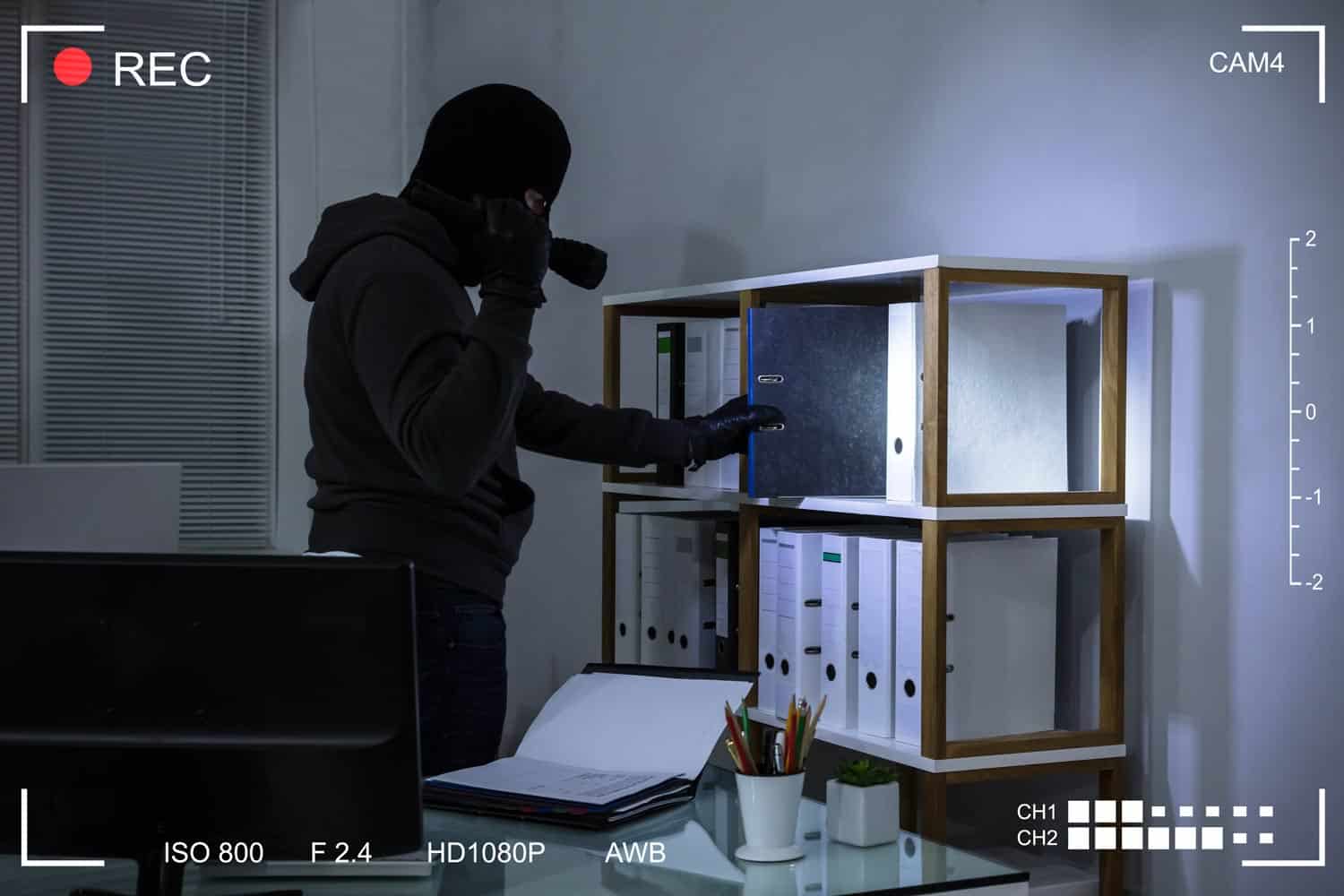
Motion detection is a video surveillance feature that triggers a system response (e.g., an alert, a recording start, or a notification) when movement occurs within a camera’s field of view. The most common underlying mechanism for motion detection in video surveillance compares successive video frames and flags areas where pixel-level change suggests something in the scene has moved.
As a basic technology, motion detection is useful for reducing continuous recording requirements, since a system set to record only on detected motion stores far less footage than one recording around the clock, making storage management more practical and footage review more manageable.
The well-documented limitation is that motion detection alone has no ability to evaluate what has moved or whether it represents a meaningful event. Environmental movement, e.g., wind, rain, passing headlights, or neighborhood animals, produces the same trigger as a person. In high-activity environments, this produces alert volumes that are difficult to manage without additional filtering.
AI video analytics address this by adding a classification layer on top of basic motion detection, distinguishing between categories of motion events and prioritizing those that warrant human review. In most modern security camera systems, basic motion detection serves as the initial trigger; AI determines what to do with it.