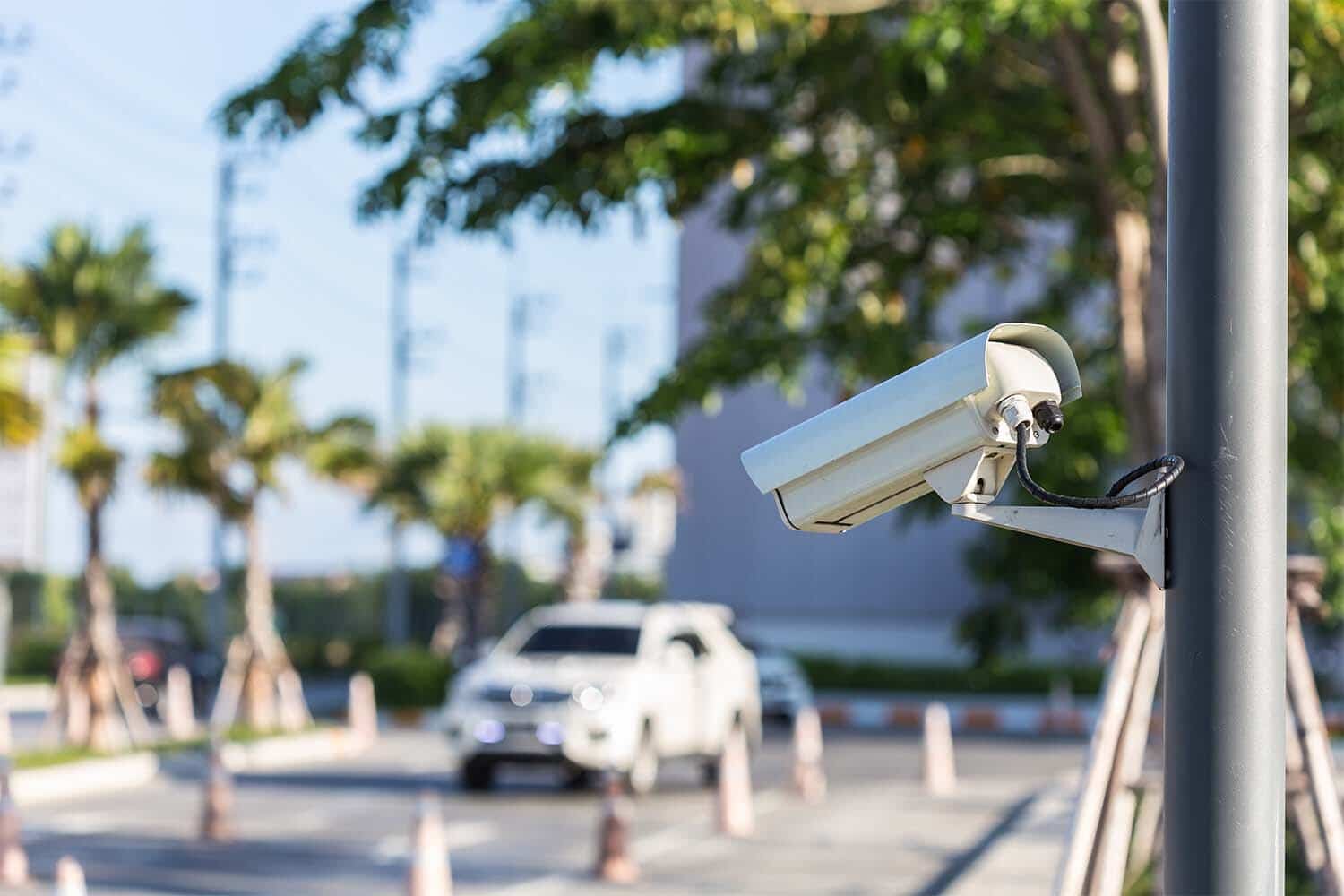
Geofencing is the use of GPS or other location technology to define a virtual boundary around a physical area, with automated responses triggered when a tracked device or asset crosses that boundary. In commercial security applications, it functions as a location-aware layer that complements camera-based monitoring by tracking where specific tagged objects are rather than just what is visible in a camera’s field of view.
Security applications for geofencing include:
- Equipment and asset tracking: GPS-equipped machinery, vehicles, or high-value items can be configured to generate an alert the moment they move outside a defined area, providing notification of potential theft at the point of removal rather than after the fact
- Vehicle access monitoring: defining zones around facility entrances and tracking when and where specific vehicles are present
- Personnel location awareness: in large facilities, tracking the location of staff or contractors relative to restricted zones
Geofencing and camera-based monitoring address different aspects of security and are generally more useful in combination than in isolation. Cameras identify who and what is present on a property; geofencing tracks the physical location of specific assets over time.