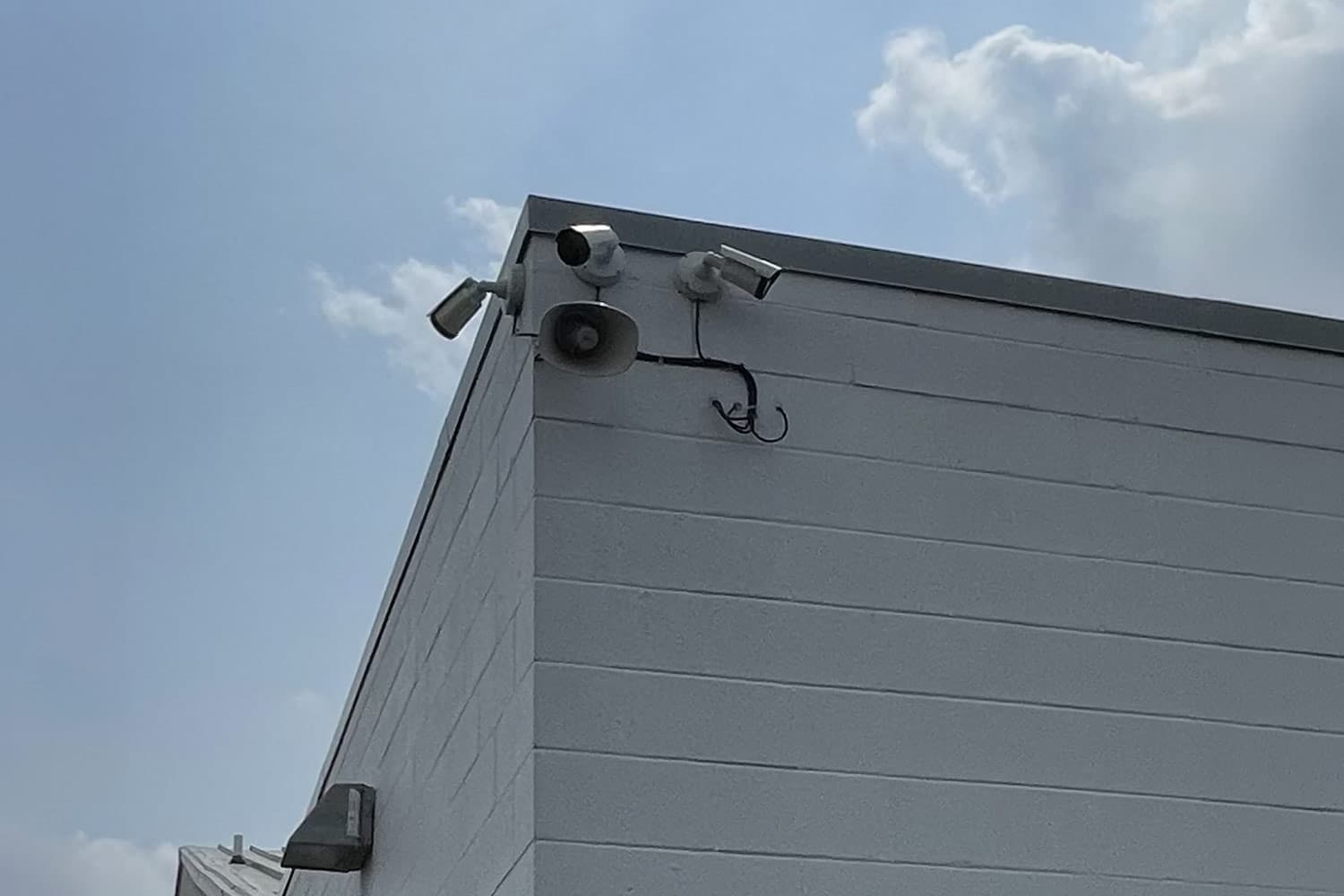
A false alarm ordinance is a local law that regulates how a municipality handles alarm system false triggers, typically through permit requirements, escalating fees, and thresholds that can affect future response priority. Many cities require any monitored alarm system to be registered under a permit before law enforcement will respond to it at all, and that permit is often tied directly to the property’s false alarm history.
The fee structures built into these ordinances tend to escalate rather than stay flat. In other words, the first false alarm in a given period might carry no fee or a warning, while subsequent false alarms at the same address within that period carry increasing charges. Some ordinances go further, suspending response entirely, or requiring proof of corrective action, once a property crosses a defined false alarm threshold.
Because these ordinances are set at the municipal level, requirements and fee schedules vary significantly from one city to the next, and a property with locations across multiple jurisdictions may be operating under meaningfully different rules at each site. Reducing false alarms in the first place – through things like video verification, well-maintained masking, and properly configured sensors – is generally the most reliable way to avoid these costs.