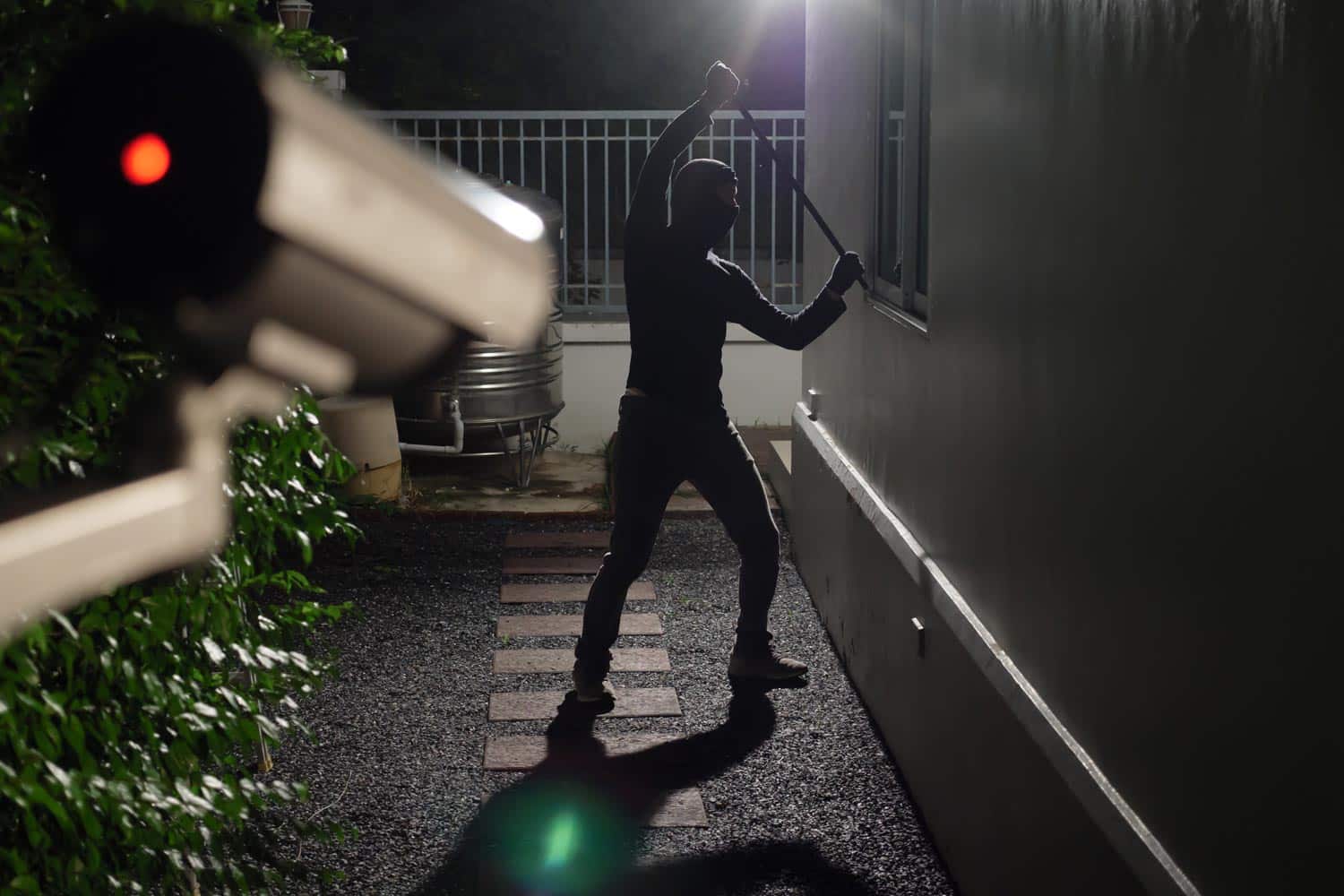
CPTED is a design philosophy that uses a property’s physical environment, including lighting, landscaping, sightlines, and layout, to reduce the opportunity for crime before technology or personnel need to get involved. The underlying premise is that the built environment itself can either invite or discourage criminal activity, independent of any camera or alarm system layered on top of it.
CPTED principles generally fall into a few categories:
- Natural surveillance, which means designing spaces so legitimate activity naturally creates visibility, with clear sightlines, appropriate lighting, and unobstructed windows facing public areas
- Natural access control, which uses layout, landscaping, and signage to guide people toward intended entrances and away from vulnerable areas, rather than relying solely on locks or guards
- Territorial reinforcement, which uses visual cues like landscaping, signage, and clearly defined property boundaries to signal that a space is actively maintained
- Consistent maintenance, since a poorly kept property signals reduced oversight, which can itself invite testing of a site’s defenses
Of course, CPTED and camera-based security are complementary rather than competing approaches. A camera pointed at a sightline blocked by overgrown landscaping, or an entrance with no lighting to support night vision, is working against the environment rather than with it. Addressing the underlying design issue often makes every other security layer more effective.