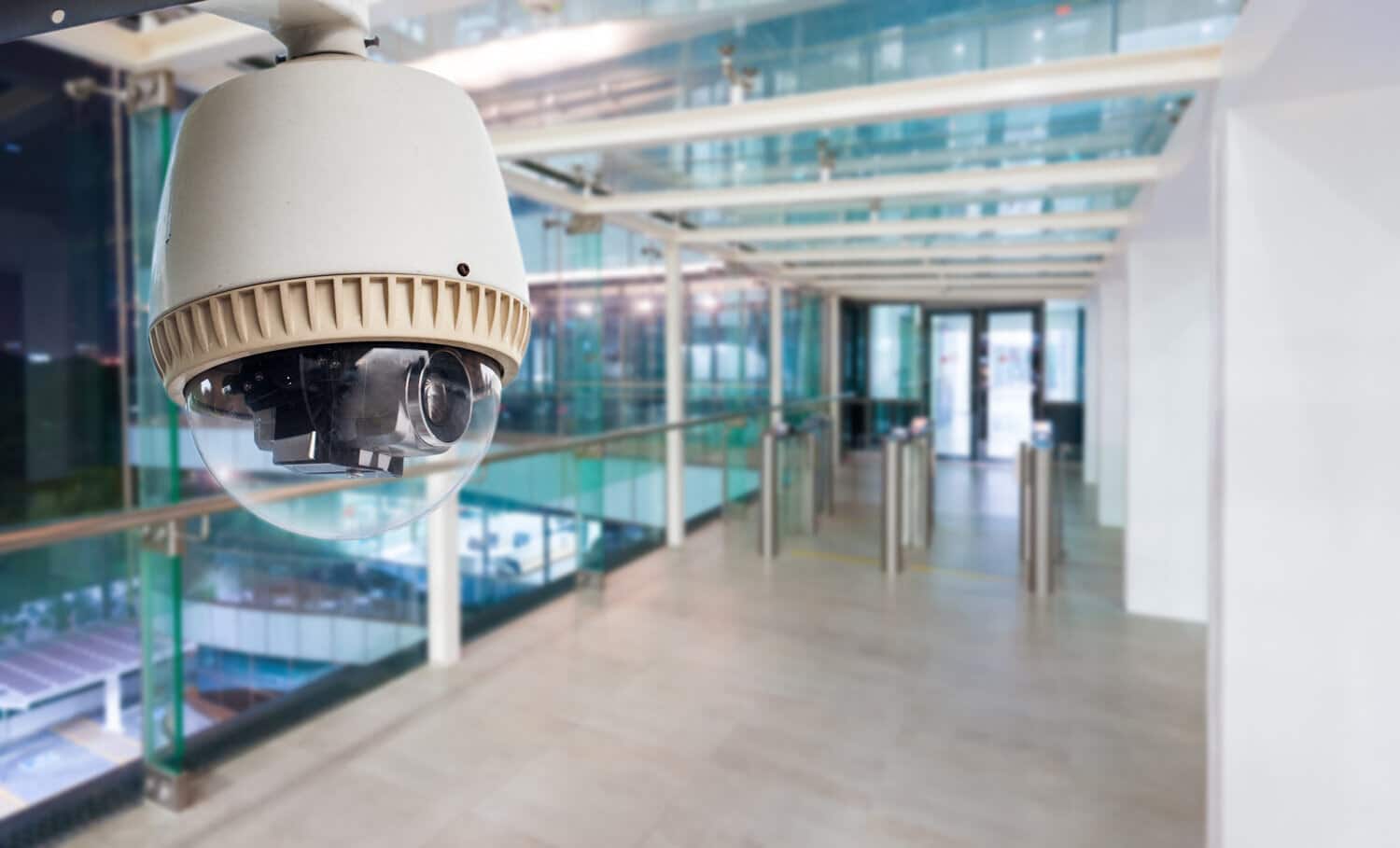
An access control system is a security technology that governs who can enter a physical space and when, replacing or supplementing traditional lock-and-key entry with electronic authentication methods such as key fobs, PIN codes, mobile credentials, or biometric scans.
The core premise of an access control system is that it answers three questions for every entry attempt: who is requesting access, are they authorized for this door at this time, and should the attempt be logged. More advanced platforms extend this further with:
- Time-based permissions, restricting access to specific hours or days for certain users or groups
- Audit trails, providing a timestamped record of every entry and attempted entry
- Video integration, pairing each access event with corresponding camera footage for visual confirmation
- Remote credential management, allowing administrators to issue or revoke access without being physically on-site
Access control and remote video monitoring serve complementary functions. Access control determines who is authorized to enter; video monitoring confirms what actually happens once someone does, and can flag anomalies like an authorized credential being used at an unusual hour. Pro-Vigil has found that properties combining the two get significantly more value from each than they would running either in isolation.