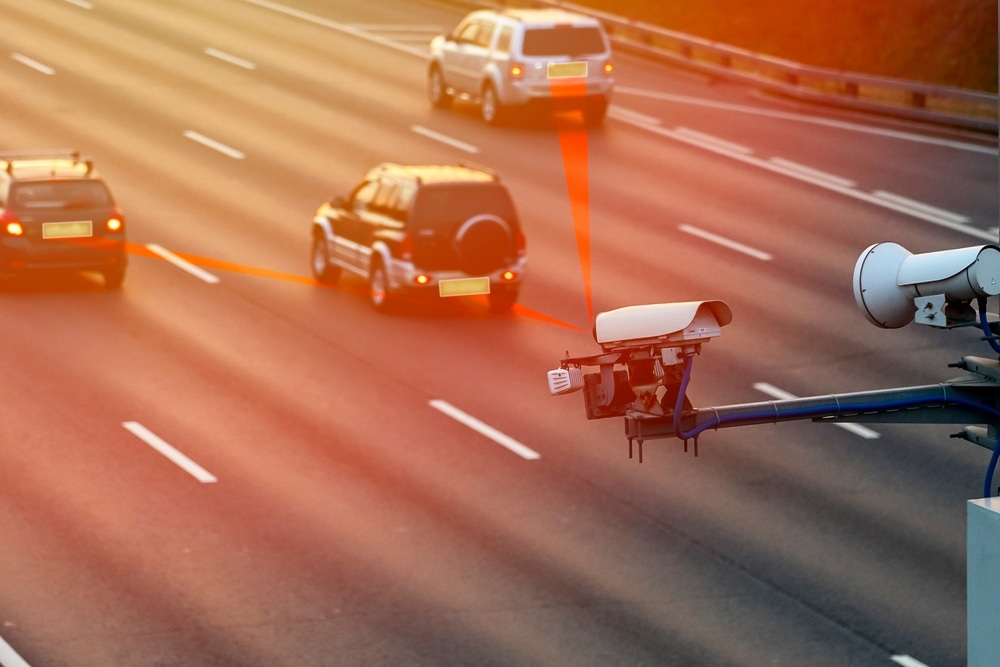



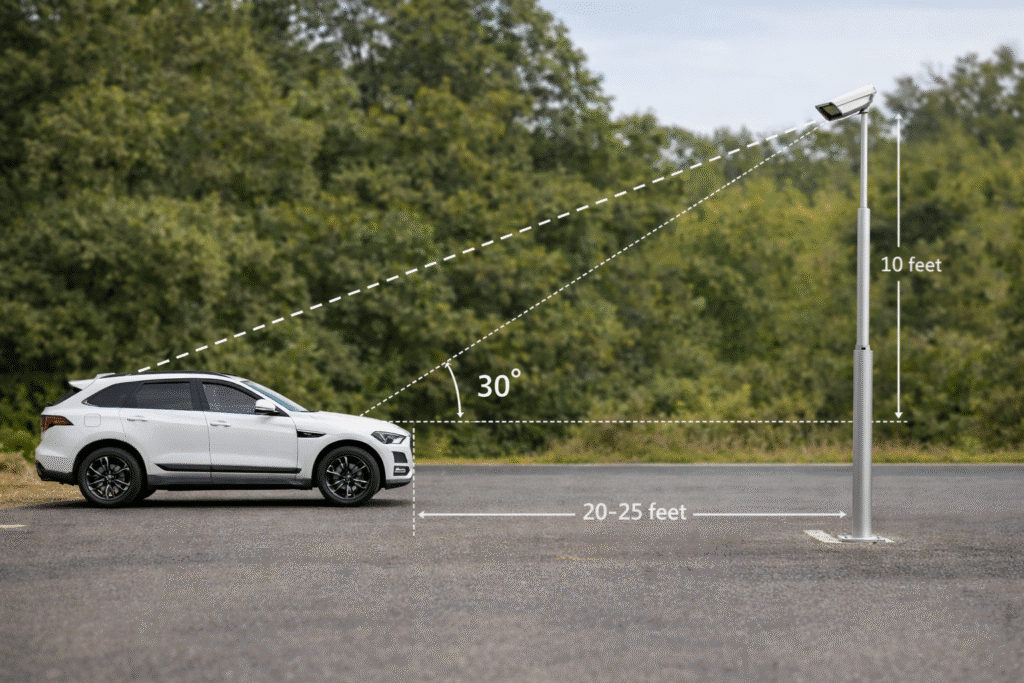


When someone trespasses on your property or damages a vehicle in your lot, a blurry image isn’t much help. A detailed shot of the perpetrator’s license plate, however, can lead to an ID, an insurance claim, or even a conviction. That’s when license plate recognition (LPR) cameras are invaluable.
More than just security cameras, LPR systems are designed to detect, capture, and log license plates automatically. Whether it’s day or night, moving vehicles or still, a well-positioned LPR camera system can record plate data with startling precision — even from fast-moving cars.
But do you need one?
Well, that depends on your environment. LPR is often just as much overkill for quiet office parks as it is essential for busy lots, gated communities, or commercial sites with valuable equipment. If you’re dealing with frequent trespassing, hit-and-runs, or repeat offenders, these cameras can be your first line of accountability.
In this blog, we’ll break down how license plate recognition cameras work, where they add the most value, and how they integrate with existing surveillance systems — especially when monitored by trained professionals like Pro-Vigil’s virtual guards.
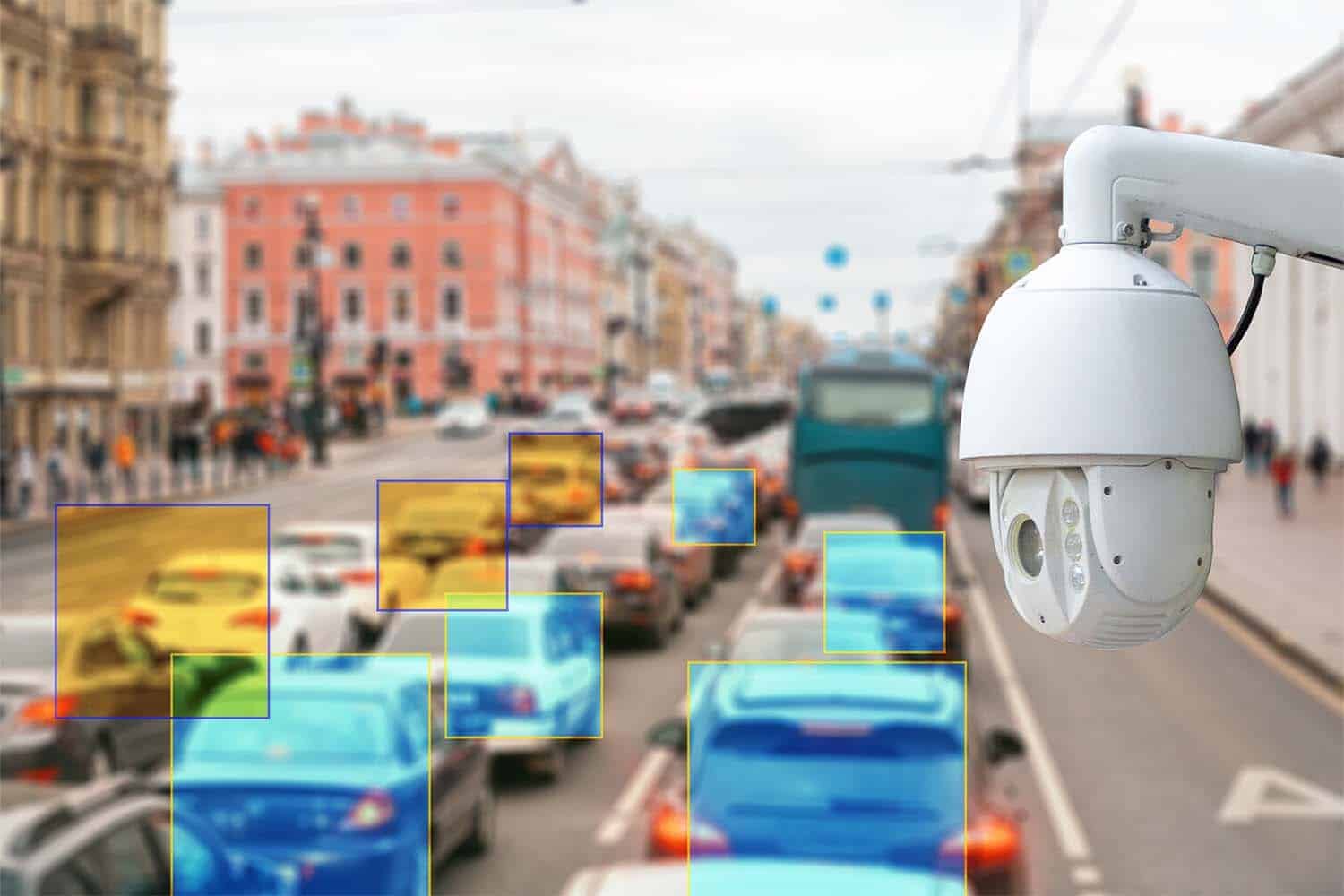
License plate recognition cameras, or LPR cameras, are specialized devices equipped with high-resolution lenses, infrared capabilities, and intelligent software that can scan and interpret vehicle license plates in real time.
Unlike standard security cameras, LPR systems are optimized to handle glare, motion blur, and poor lighting — all common issues when trying to capture plates on moving vehicles, especially at night.
These cameras don’t just record footage. They extract plate numbers and log them in a searchable database, often alongside date, time, and geolocation. Some advanced systems can even flag suspicious or blacklisted vehicles on the spot.
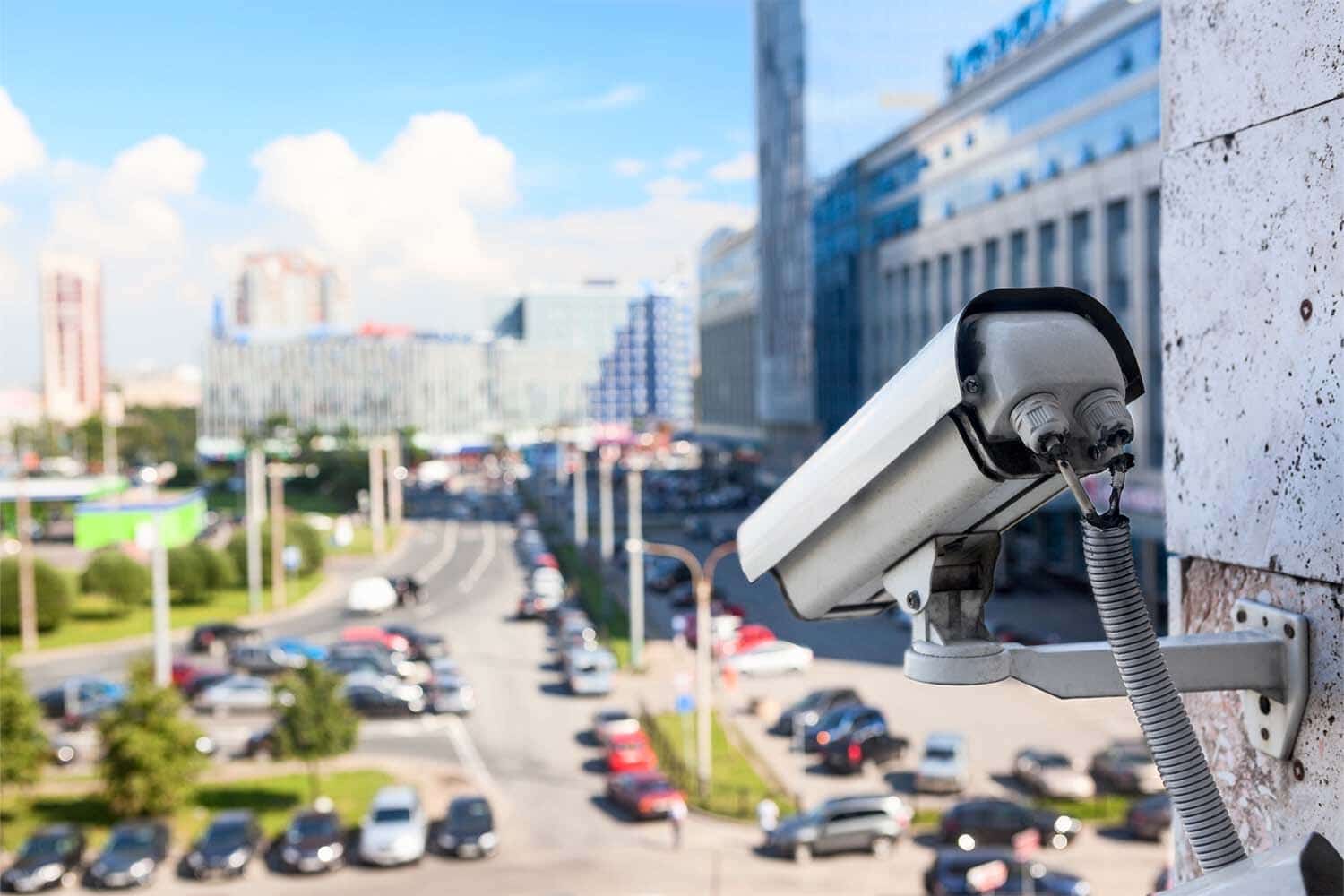
If you manage a property where vehicles come and go, an LPR camera system is a proactive way to identify and deter potential troublemakers.
Here are a few common scenarios where LPR adds serious value:
In each case, LPR can deter criminal activity while streamlining access control. It also gives law enforcement or property managers real data to work with, rather than just vague footage. And when those cameras are integrated into a live-monitored system, like Pro-Vigil offers, that value compounds. Not only do you get automated license plate logging — you get a human response when something looks off.

A powerful LPR camera system is only as useful as the response behind it. That’s where remote video monitoring transforms passive footage into active protection. When paired with a virtual guard service like Pro-Vigil’s, license plate recognition cameras become part of a larger intelligent ecosystem.
The moment a suspicious vehicle enters your property, whether it’s after-hours, blacklisted, or simply doesn’t belong, the system can alert a trained guard who immediately investigates the live feed. If needed, they can issue an audio warning, contact local authorities, or follow a protocol tailored to your business.
This human-in-the-loop approach makes LPR far more than a forensic tool. Traditional setups often rely on reviewing footage after the fact, sometimes days later. But with remote monitoring, the recognition of a suspicious plate can trigger a real-time response. That means intruders don’t just get recorded; they get deterred.
LPR systems also generate logs that help identify behavioral patterns over time. If the same vehicle shows up repeatedly late at night, even if it hasn’t caused problems yet, you’ll have a record. More importantly, you’ll have a reason to increase vigilance, increasing your odds of stopping a crime rather than just reacting to one.
This kind of insight is, as you might imagine, difficult to achieve with ordinary cameras alone.
Best of all, LPR data doesn’t overwhelm you with noise. Well-designed systems can be filtered and sorted by plate number, timeframe, or event type. This makes it easy to pull footage for law enforcement or internal investigations, saving you time while adding credibility to your case.
If your site experiences frequent drive-through activity or you need to verify vehicle traffic as part of your operations, integrating a license plate recognition camera system with proactive monitoring is vital strategic security planning.
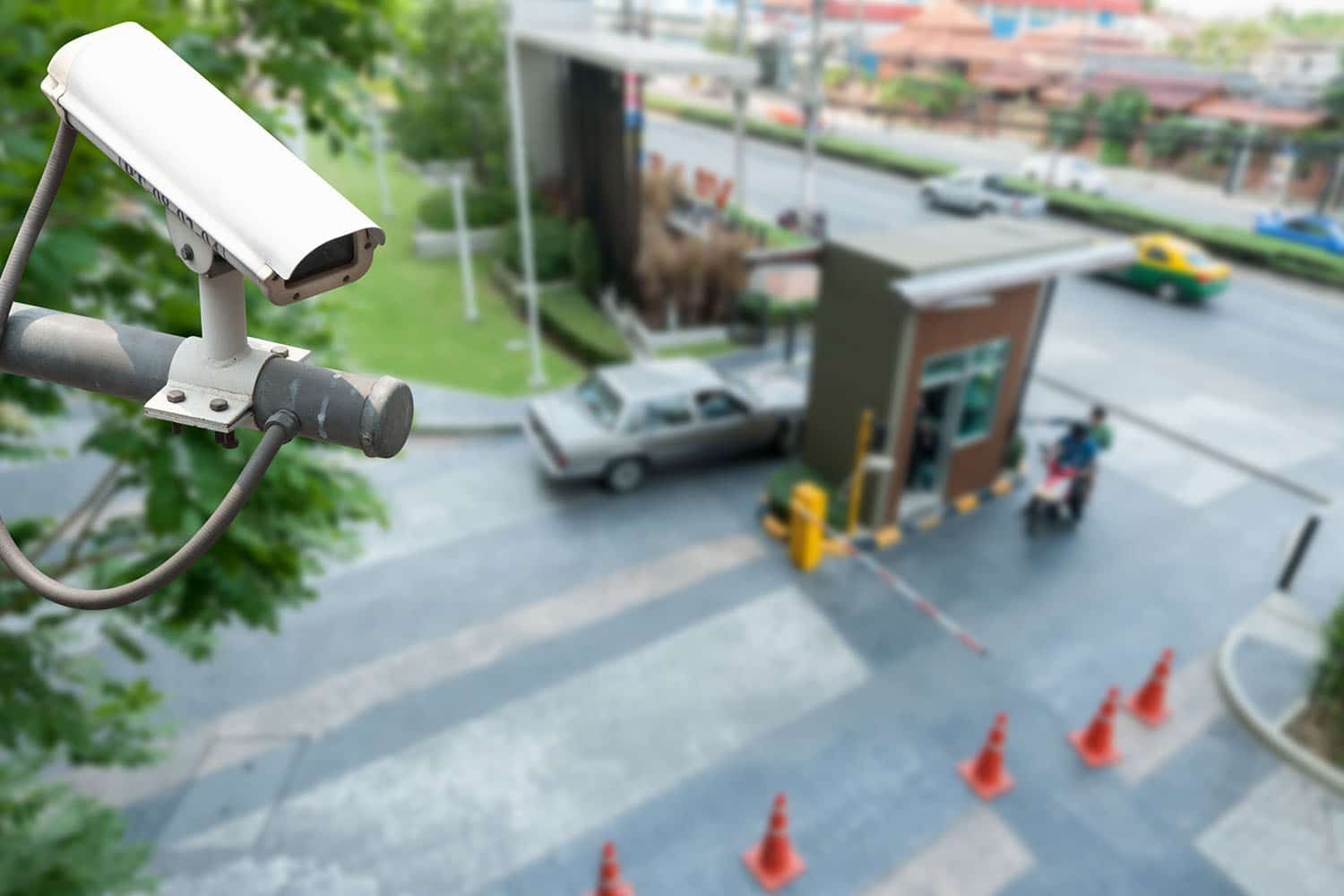
License plate recognition cameras aren’t all the same, so it would be a mistake to treat them the same. Some are engineered for toll roads or highway speeds, while others are built to monitor slow-moving traffic at gates, garages, or commercial driveways. The best LPR camera system for your property depends on the environment, the volume and speed of vehicle traffic, and how you plan to use the captured data.
At entry points, LPR setups often focus on accuracy and integration. In these cases, it helps to have: